
#cat furniture
#cat scratching post
#cat supplies
#wall-mounted cat scratcher
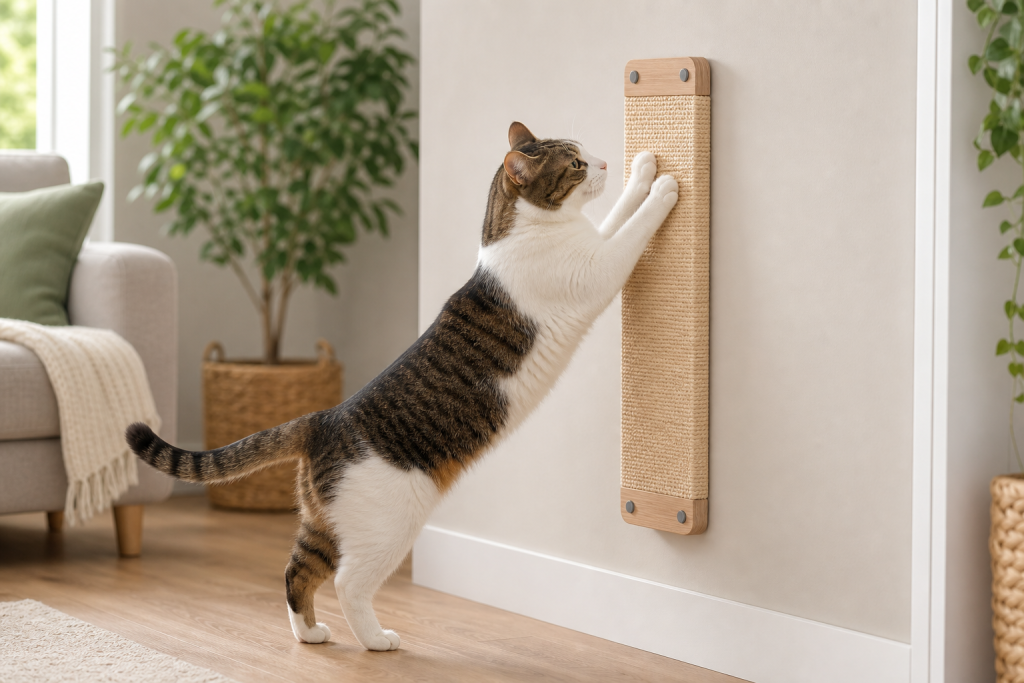
A wall-mounted cat scratcher is worth buying only if it is tall enough for your cat to stretch, stable enough not to shift, and installed in a wall you are allowed to drill. The cheap deal can turn expensive when the included anchors do not match your wall, the cardboard or sisal panel is too small, or the refill pads are hard to replace. Before checkout, treat it like a small home-install project, not just another cat toy.
Why wall scratchers are getting attention now
Cat owners are trying to save floor space while still giving cats a legal place to scratch. Wall-mounted scratchers look tidy in apartments, pet nooks and narrow hallways, and current shopping results show plenty of vertical panels, corner guards and refillable pads aimed at indoor cats.
The catch is that cats do not use a scratcher just because it is mounted neatly. The ASPCA notes that cats usually want a sturdy post that will not shift or collapse, and many cats like a surface tall enough for a full stretch. San Francisco SPCA gives similar advice: vertical scratchers should be tall and sturdy, while some cats prefer horizontal options. That means the bargain wall panel has to match both your cat and your wall.
The checkout checks that matter most
Start with usable height. A small panel may protect one chair corner, but it may not let a large cat extend its shoulders, back and front legs. If your cat already scratches the side of a sofa or a door frame, measure the height of those marks before choosing a wall panel.
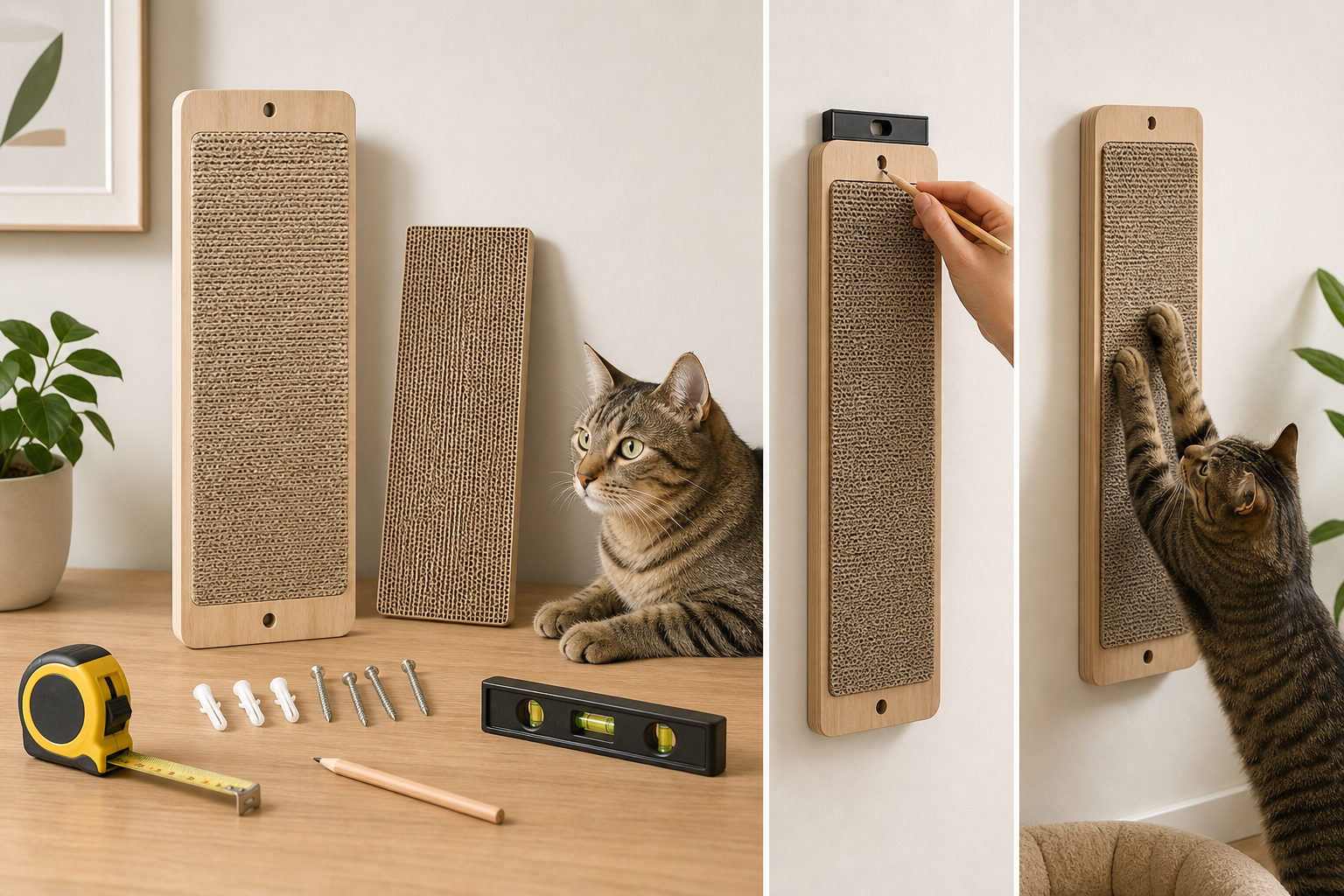
Next, check the mounting method. A scratcher that depends on two tiny adhesive pads is different from one that uses screws and anchors. Adhesive can be renter-friendly, but it may fail on textured paint, dusty walls, humid rooms or repeated pulling. Screws can be stronger, but they create holes and may need studs, drywall anchors or masonry anchors depending on the wall.
Look closely at the scratch surface. Sisal, jute, carpet and corrugated cardboard feel different under claws. If your cat already ignores carpeted posts but loves cardboard, a sleek sisal wall panel may still sit unused. If your cat shreds cardboard fast, a refillable insert matters more than the first-day price.
Also check the edges and backing. A loose frame, sharp staple, splintering wood or exposed screw head can turn a cheap panel into something you remove after one week. The best listing photos show the back, the hardware, the thickness and the replacement insert, not just a cat posing beside it.
When the deal is not really a deal
The sale price is only part of the cost. Before paying, compare the included hardware, the number of panels, the scratchable area and the refill situation. A low price can shrink quickly if you need separate wall anchors, a drill bit, extra adhesive strips, replacement cardboard or a second panel because the first one is too short.
For cardboard versions, check whether refills are standard rectangles or a proprietary size. For sisal or jute panels, check whether the surface can be replaced at all. If the entire board has to be thrown away when the fabric wears out, a slightly more expensive refillable model may be cheaper over a year.
Coupon and cart checks matter too. Verify whether the discount applies before taxes and shipping, whether bulky-item shipping changes the total, and whether returns are allowed after the panel has been mounted. Some retailers may not accept a scratched, drilled or adhesive-used item back as a normal return.
Wall, rental and safety mistakes to avoid
Do not mount a scratcher where a cat has to twist awkwardly to use it. A narrow gap behind furniture may protect the wall, but it may also make the panel unattractive. Put it near a place your cat already scratches, wakes up, enters a room or marks territory.
Do not assume one wall panel will replace every scratcher in the house. Cats often like options: vertical, horizontal and angled surfaces in different rooms. If you remove every old scratcher at once, your cat may go back to the sofa while deciding whether the new wall panel is acceptable.
Renters should check lease rules before drilling. Adhesive-mounted panels can still peel paint, and screw-mounted panels can leave repair work. If your lease or wall surface is risky, a tall freestanding post or a door-hanging scratcher may be the safer buy.
Avoid placing the panel above fragile decor, food bowls or a slippery floor. Cats push hard when they scratch. If the panel shifts, falls or scares your cat, the product may fail even if the material itself is good.
A simple buying framework
Choose a wall-mounted cat scratcher when you need vertical scratching in a tight space and you are willing to install it correctly. Choose a freestanding post when you cannot drill, need easy returns or want to test material preference first. Choose a horizontal pad if your cat already scratches rugs, flat cardboard or the seat of a sofa.
For most shoppers, the safest order is: measure the cat’s stretch, identify the wall type, check the hardware, confirm refill availability, then compare the final cart total. A discount should come after those checks, not before them.
Quick answers
Are wall-mounted cat scratchers better than posts?
Not always. They save floor space and can be sturdy when installed well, but many cats still need a tall post, cardboard pad or horizontal scratcher depending on their preference.
Can I use adhesive strips instead of screws?
Only if the product is designed for adhesive mounting and your wall surface is suitable. Adhesive may fail on textured, dusty or humid surfaces, and it can still damage paint.
How tall should a wall scratcher be?
It should let your cat stretch comfortably. Measure your cat’s current scratch marks or full-body reach rather than relying only on the product photo.
Should I buy the cheapest wall scratcher first?
Only if it includes suitable hardware, has enough scratchable area and offers refills or durable material. A cheap panel that falls, peels paint or wears out fast is not much of a deal.
Sources
Sources last checked July 13, 2026, 07:36 Europe/Rome.
- ASPCA, Destructive Scratching.
- San Francisco SPCA, Scratching Posts.
- Humane World for Animals, How to stop cats’ destructive scratching.
- Chewy, Cat scratching post shopping guidance and product category information.
- Amazon Best Sellers, Cat Scratching Pads, used only as a demand signal.