
#bug zappers
#mosquito control
#pet safety
#pet tech deals
That cheap bug zapper is usually not the mosquito fix pet owners hope it is. Independent mosquito-control guidance says zappers may kill some mosquitoes, but they also kill many non-target insects and do not reliably reduce bites in a yard. If you have a dog or cat outside with you, the smarter deal is the one that fits into a broader mosquito plan: remove standing water, use screens and airflow, follow product labels, and place any electric device where pets cannot reach it.
Bug-zapper searches rise every summer because they look simple: plug in a light, hear the pops and assume the patio is safer. The problem is that mosquito control is not just a light-attraction problem. Mosquitoes breed in water, rest in shaded areas and often find people and animals by cues that a basic zapper does not solve.
Why this matters now
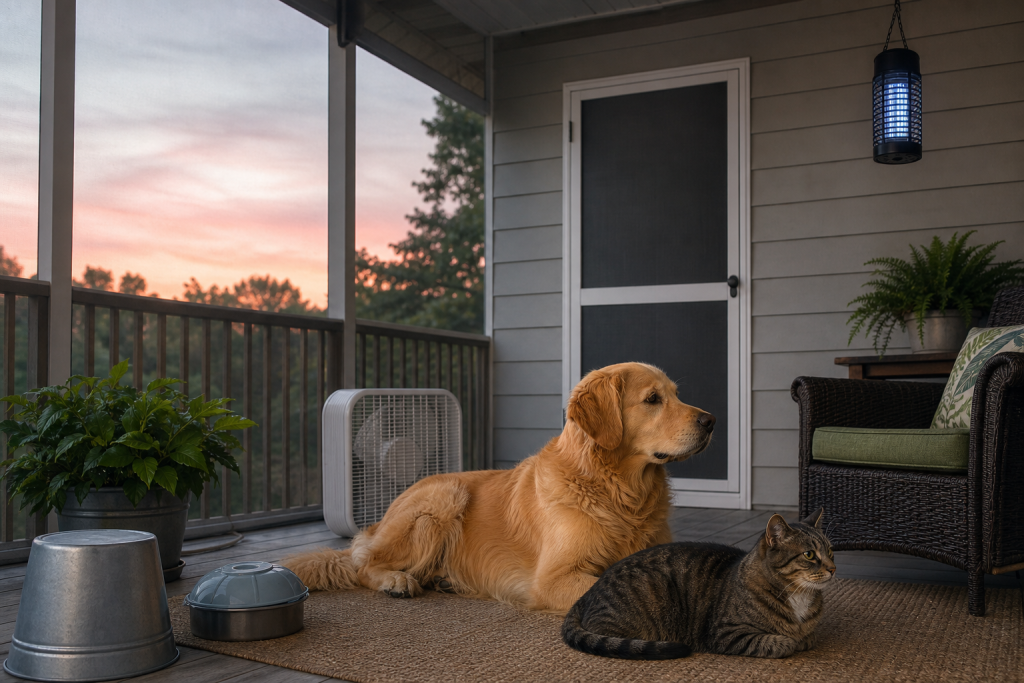
Mid-July is peak backyard season for many pet owners. Dogs are spending more evenings on patios, cats may sit near open windows or screened porches, and shoppers are seeing electric insect killers, mosquito traps and patio repellents mixed into pet-supply and home-deal pages.
The timing matters because a weak mosquito-control buy can create two problems at once. You may still have bites around the yard, and you may add an electrical, noise or placement issue near pets. That does not mean every zapper is unsafe or useless. It means the checkout decision should be more practical than the sale badge.
The mistake: buying the pop, not the mosquito plan
A zapper can feel effective because it gives instant feedback. The light attracts insects, the grid fires, and you hear something happening. The American Mosquito Control Association says controlled studies found mosquitoes made up only a small share of bug-zapper catch, and yards with zappers did not show a significant mosquito reduction compared with yards without them.
For pet owners, that matters because the device can distract from the controls that do more work. The CDC tells households to empty, scrub, turn over, cover or throw out water-holding items once a week because mosquitoes lay eggs near water. The EPA also emphasizes integrated mosquito management, including removing standing water from containers such as buckets, tires, toys and plastic covers.
What to check before you buy a bug zapper
Start with placement. If a product photo shows the zapper sitting low on a table, near a pet bowl or beside a dog bed, do not copy that setup. Look for a device that can be mounted securely out of reach, away from food and water bowls, and away from the route your dog or cat uses to enter the house.
Then check whether the listing explains the protective cage, cleaning method and outdoor rating. A vague listing that says “pet safe” without showing the grid design, hanging hardware, rain rating and cleaning instructions is not giving you enough information. If you cannot tell how the tray is removed, how dead insects are cleaned out, or whether the cord can be routed safely, treat the discount as incomplete.
Noise matters too. Some pets ignore the snap of a zapper. Others may startle, avoid the patio or obsess over the light. If your dog is noise-sensitive, already reacts to fireworks or guards buzzing insects, buy only from a retailer with a return path that fits outdoor electrical items.
Do not skip the cheaper mosquito checks
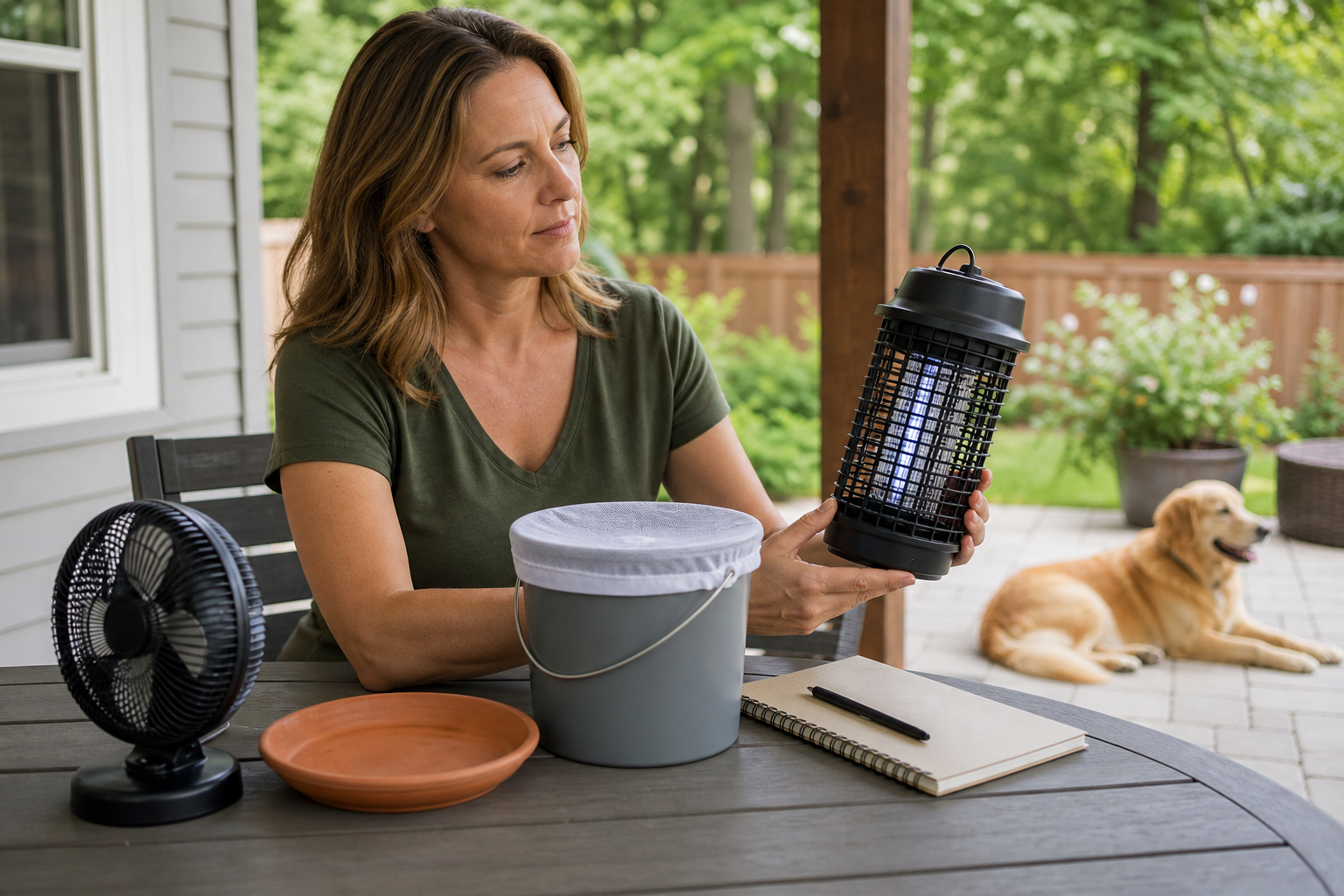
Before spending on an electric device, walk the yard with a boring checklist. Empty plant saucers, buckets, toys, folds in tarps, clogged gutters and unused bowls. Scrub birdbaths and pet water bowls regularly. Make sure window and door screens close properly, especially if cats sit near them.
Airflow can help on patios because mosquitoes are weak fliers. A fan placed safely where pets cannot knock it over may be more useful for a seating area than a zapper that mainly attracts moths. For people, the EPA recommends using EPA-registered repellents and following label directions. Do not spray human insect repellent on a dog or cat unless your veterinarian has specifically told you to use a product labeled for that animal.
Deal and coupon checks before paying
For a bug zapper deal, do not compare only the sale price. Check the replacement bulb cost, whether the bulb type is easy to find, whether the tray or brush is included, and whether the device uses a proprietary cartridge or attractant. A low purchase price can stop looking cheap if the first replacement part is hard to source.
Also check shipping and returns. Outdoor electrical items can be bulky enough to make mail returns annoying, and marketplace listings may have different return rules from the main retailer. If the product is sold by a third-party seller, verify the seller name, warranty contact and return window before you place it near pets.
A real deal should answer these questions before checkout:
- Can I mount it where my dog or cat cannot touch, chew or knock it down?
- Does the listing show an outdoor rating and cleaning process?
- Are replacement bulbs or parts available without buying a whole new unit?
- Does the return policy still work after a short indoor or covered-patio test?
- Am I still removing standing water, using screens and following repellent labels?
What to avoid around pets
Avoid placing a zapper above pet bowls, beds, crates, litter areas or food-storage bins. Dead insects and debris should not fall where pets eat or drink. Keep cords protected from chewing and from routes where people or dogs may trip.
Be careful with “chemical-free” claims. A zapper may not use a spray, but that does not automatically make it the right mosquito-control tool for a pet household. Also avoid combining multiple pest-control products casually. Foggers, sprays, yard treatments, candles, essential oils and spatial repellents all have their own labels and risks. Use products only as directed, and ask your veterinarian before using any insect-control product directly on or near a sensitive pet.
When a zapper may still make sense
A zapper may be reasonable if your main problem is general flying insects around a work area and you can mount the device safely away from pets. It may also fit as one small part of a broader patio setup. It should not be the only mosquito-control purchase you make, and it should not replace heartworm, flea or tick prevention recommended by your veterinarian.
If mosquitoes are heavy where you live, put your money first toward the basics: water control, intact screens, safe airflow and properly labeled repellents for people. For pets, talk with your vet about parasite prevention that fits the animal, species, age, health status and local risk.
Quick answers
Are bug zappers safe for dogs and cats?
They can be used more safely when mounted securely out of reach, away from bowls and bedding, and with cords protected. Do not rely on a generic “pet safe” claim without checking placement, grid protection, cleaning and return terms.
Do bug zappers control mosquitoes?
Not reliably as a complete yard solution. Mosquito-control groups point to standing-water removal, screens, airflow and registered repellents as more dependable parts of mosquito management.
Should I use human mosquito repellent on my pet?
No. Use only products labeled for your pet’s species and follow veterinary guidance. Cats and dogs can react differently to ingredients that are fine for people.
What is the best checkout question?
Ask whether the device will solve the actual problem in your yard after you remove standing water. If the answer is unclear, the discount is not strong enough by itself.
Sources
Last checked: July 13, 2026, 13:34 Europe/Rome.
- American Mosquito Control Association, FAQs on bug zappers and mosquito control
- CDC, Mosquito Control at Home
- U.S. EPA, Success in Mosquito Control: An Integrated Approach
- U.S. EPA, Repellents: Protection against Mosquitoes, Ticks and Other Arthropods
- San Luis Obispo County Public Health, Mosquitoes Love Standing Water