
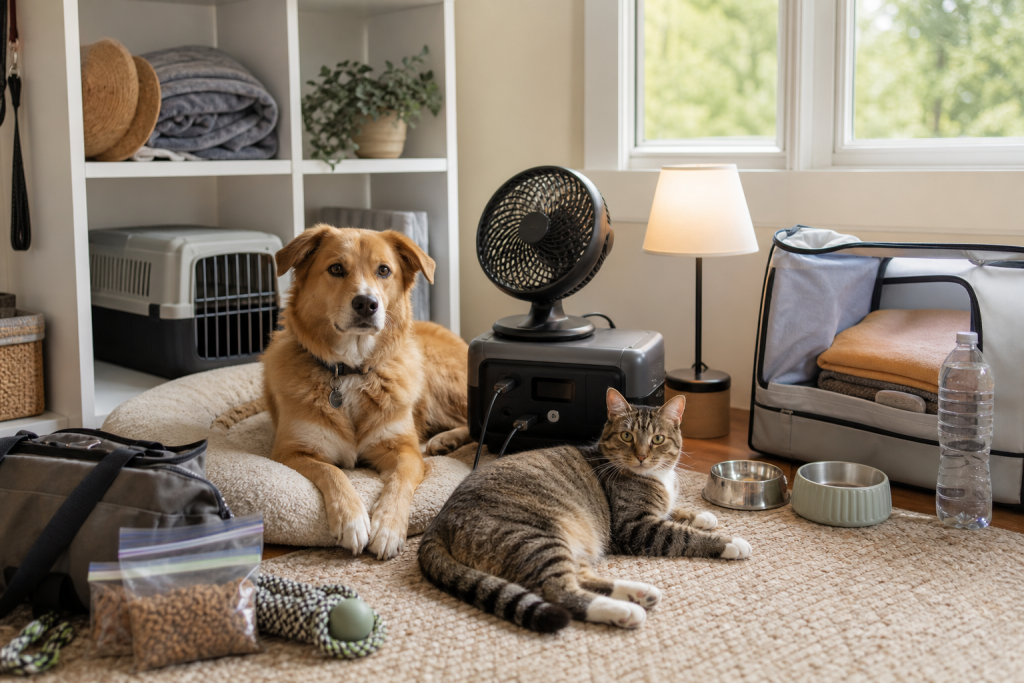
#Pet Emergency Kit
#pet power outage
#pet tech deals
#portable power station
A portable power station can look like the perfect pet-safety deal until you check what it can actually run. For dogs and cats, the question is not whether the box has a big sale badge, but whether its usable battery capacity, output ports and recharge plan match the fan, light, router, feeder, freezer alarm or other gear you expect to keep working during an outage.
That matters more in July because heat, storms and wildfire-related grid stress can turn a short outage into a pet-room problem. A battery backup may buy time for airflow, communication and food-storage monitoring, but it is not a substitute for a cool room, an evacuation plan or veterinary care if a pet shows signs of heat stress.
Why This Deal Is Showing Up Now
Summer pet shopping is full of cooling mats, fans, smart bowls, fresh-food delivery and app-connected gear. All of those products can become less useful when the power drops. A portable power station is often marketed as a tidy answer because it can sit indoors and run small electronics without the carbon monoxide hazard of a fuel generator.
The catch is that pet owners often shop the headline capacity instead of the load. A station that looks generous on a product page may not run an air conditioner, freezer, large dehumidifier or multiple devices for as long as the cart implies. For pet use, the better question is simple: what exact item are you trying to keep on, and for how many hours?
The Runtime Math Pet Owners Should Do First
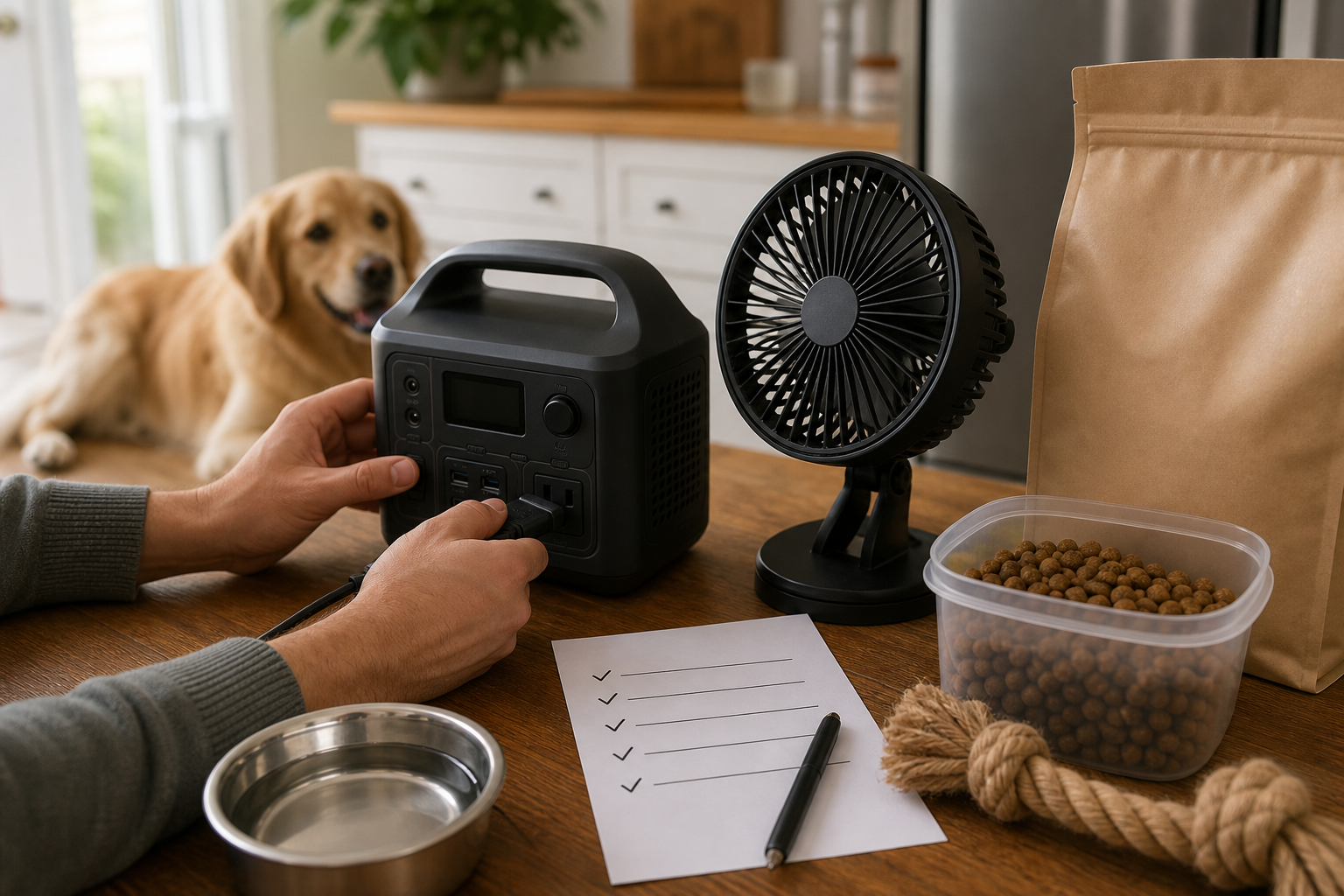
Before comparing coupons, list the devices you would realistically plug in during an outage. A small fan, LED lamp, phone charger and Wi-Fi router are very different from a portable AC unit, freezer or medical device. Check each device’s watt rating on its label or manual, then compare that total with the power station’s continuous output rating and usable watt-hour capacity.
Do not assume the full advertised watt-hours will become runtime. Batteries lose some energy through conversion, the inverter, heat and device startup loads. If a product page gives only ideal estimates, treat them as marketing guidance, not a guarantee for your home.
For a pet room, prioritize the basics first: communication, safe light, a modest fan if the room temperature is still safe, a phone or router, and alerts from a freezer or temperature monitor. A battery station that cannot run the items on your actual list is not a deal, even if it is discounted.
What To Check Before Paying
Continuous output, not only peak output. Peak or surge numbers can be useful for startup loads, but they do not tell you what the unit can run steadily. Match your device list to the continuous output rating.
Battery chemistry and safety certification. Look for clear battery-safety information, recognized testing or certification language, and a real manual before checkout. Skip vague listings that hide the manufacturer, chemistry, charging limits or warranty address.
Recharge time. A station that takes most of a day to recharge may be less useful in rolling outages. Check wall-charging time, car-charging limits and whether solar input requires extra panels and cables.
Pass-through and UPS claims. Some units can power devices while charging, and some advertise fast transfer for backup use. Read the manual because those modes may have limits, heat concerns or warranty restrictions.
Noise, heat and placement. A battery station still needs ventilation. It should not sit where a dog can chew cords, where a cat can block vents, or where water bowls, litter dust or bedding can interfere with cooling.
Return window and battery warranty. Battery products can have stricter return rules than ordinary pet supplies. Check whether the retailer accepts opened units, who pays return shipping, and what happens if capacity drops after a few months.
The Deal And Coupon Trap
A discount is useful only if the model fits your use case. Be careful with bundles that add low-watt solar panels, mystery cables or accessories you do not need while leaving out the extra capacity you do need. Also compare the final cart after shipping, hazmat or battery-related delivery limits, restocking language and extended warranty upsells.
For pet owners, the cheapest cart can become expensive if it leads to a second purchase. If you need to run a fan, router and freezer alarm for a realistic outage window, buy for that job first. Then decide whether the coupon still matters.
What To Avoid
Do not use a fuel-powered portable generator indoors, in a garage, on a balcony or near windows. Carbon monoxide is dangerous to people and pets, and official safety agencies repeatedly warn that generators belong outside and away from openings.
Do not count on a fan to make an unsafe room safe for a flat-faced dog, senior pet, overweight pet, very young animal or pet with heart or lung problems. Heat risk can escalate quickly. If the indoor temperature is no longer safe, the shopping answer is not a bigger gadget. The answer is a cooler location, a pet-friendly backup plan and veterinary guidance when symptoms appear.
Do not plug in chewed cords, cracked adapters or water-damaged equipment. Do not run high-draw appliances from a station that is not rated for them. Do not leave a new power station untested until the first outage.
A Smarter Pet-Outage Setup
Pair the battery purchase with an emergency kit. The American Red Cross and ASPCA both recommend food, drinking water, bowls, carriers, medications, records and identification planning for dogs and cats. A power station should support that plan, not replace it.
Test the setup on a normal day. Charge the station, plug in your chosen fan, light, router or alert device, and see how quickly the battery drops. Label the safe cords. Store the unit where adults can reach it quickly and pets cannot knock it over.
If your pet depends on electrically powered medical equipment or a temperature-controlled habitat, ask your veterinarian or equipment provider what backup is appropriate. A general retail power station should not be treated as medical planning.
Quick Answers
Is a portable power station safer than a gas generator indoors? A battery power station does not create generator exhaust, but it still needs safe charging, ventilation and cord management. A fuel generator should never be used indoors.
Can it run air conditioning for pets? Many small power stations cannot run AC for long, and some cannot run it at all. Check the air conditioner’s wattage, startup load and the station’s continuous output before assuming it will work.
Should cat and dog owners buy one? It can be useful if it matches a specific plan, such as keeping phones, lights, a fan or alerts online. It is wasteful if the buyer never checks runtime, recharge speed or return terms.
What should be in the cart with it? Think first about water, food, bowls, carriers, medications, ID, printed records, a flashlight, safe fans or cooling options and a pet-friendly place to go if the home gets too hot.
Sources
Last checked: 2026-07-10 10:34 Europe/Rome.