
#cooling towel
#dog cooling bandana
#pet deals
#summer pet safety
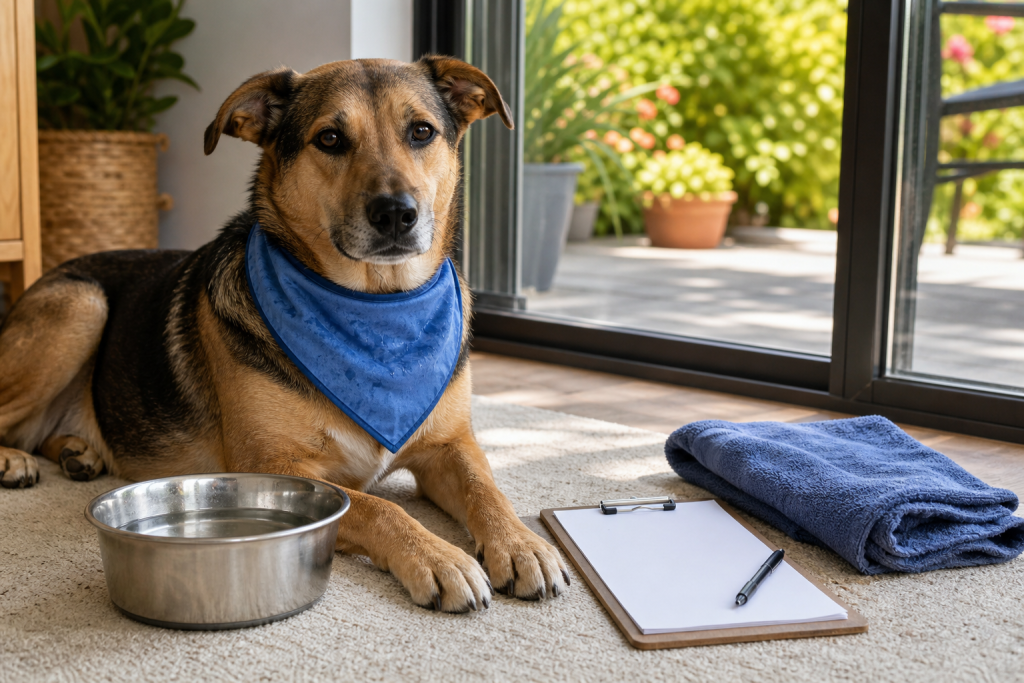
A cooling bandana deal is only useful if it fits your dog, stays damp long enough to matter, and does not make you treat hot weather as safer than it is. The mistake is buying one as if it can prevent overheating by itself. It is comfort gear, not a substitute for shade, water, cooler walk times, and a fast call to your veterinarian if your dog seems unwell in the heat.
That distinction matters right now because summer pet deals are pushing cooling mats, towels, pools, vests, and bandanas into carts at the same time that heat safety searches rise. A bandana is cheaper and easier to pack than many cooling products, but the checkout page rarely tells you how often it needs rewetting, whether it will rub under a collar, or whether the size chart will work on a thick-necked dog.
Why This Small Summer Deal Gets Misread
Most dog cooling bandanas and towels work by evaporation. You wet the fabric, wring it out, and let moisture evaporate from the material. That can feel pleasant, especially during a shaded rest or short warm-weather outing, but it does not change the basic heat rules: dogs still need fresh water, shade, rest, and limited activity during the hottest part of the day.
The danger is psychological as much as practical. A cheap cooling bandana can make a long midday walk, crowded outdoor event, or hot pavement route feel more reasonable than it really is. The American Veterinary Medical Association warns that warm weather can be dangerous for pets and emphasizes water, shade, avoiding hot cars, and watching for overheating. Treat the bandana as one small layer, not permission to push the conditions.
The Checkout Checks That Matter
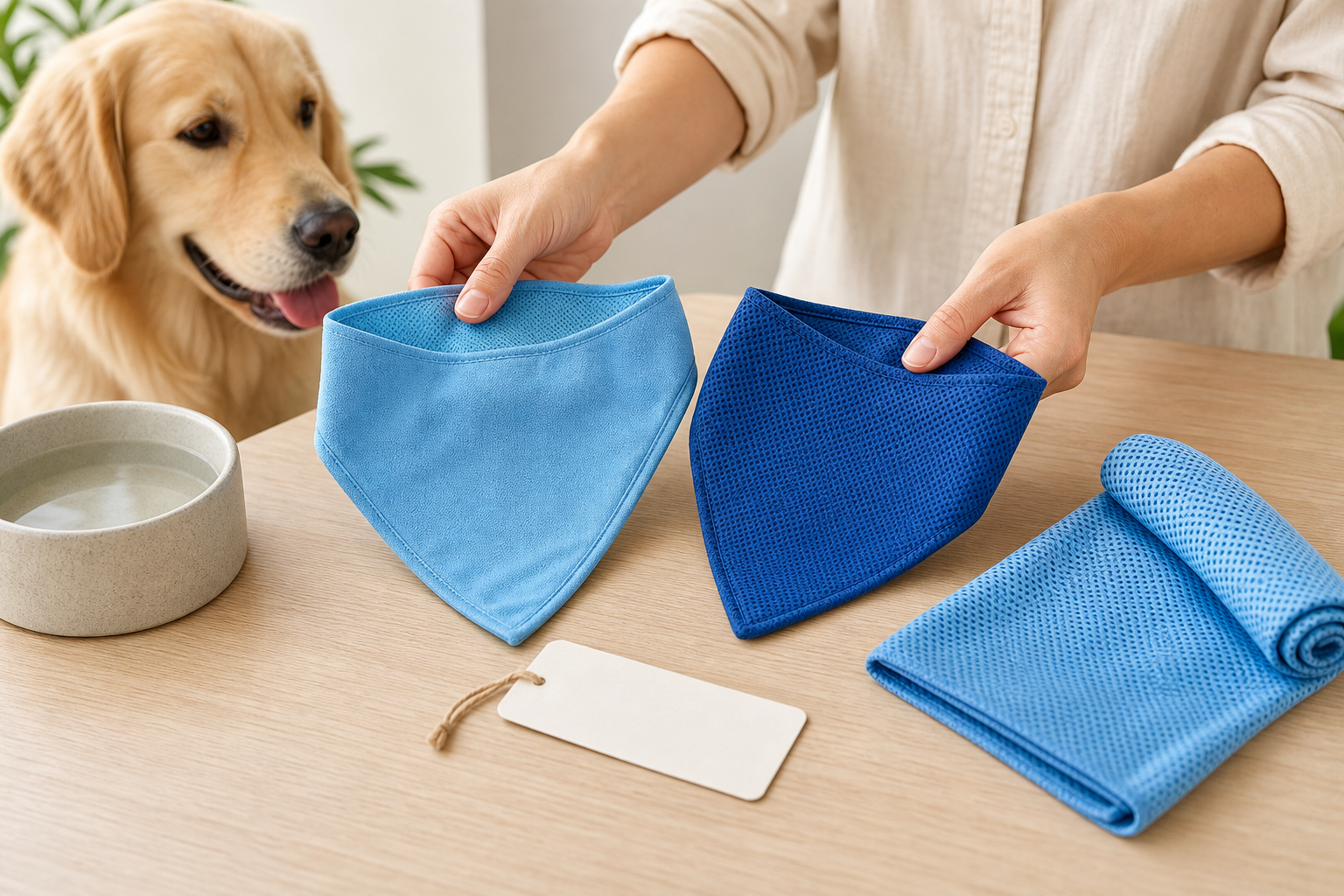
- Measure the neck, not just the breed. A bandana that bunches, twists, or sits too tightly can rub or interfere with normal collar movement.
- Check how it cools. Evaporative fabric, gel inserts, and ice-pack pockets behave differently. Anything heavy, rigid, or very cold should be used cautiously and supervised.
- Look for rewetting instructions. If the product only works when damp, ask how easy it is to recharge during a walk, car stop, campsite, or beach day.
- Read the cleaning label. Summer gear that sits damp in a bag can smell quickly. Machine-washable fabric is worth more than a slightly cheaper hand-wash-only item.
- Check collar compatibility. Slide-on designs need the right collar width. Tie-on designs need enough length without dangling loose fabric where a dog can chew it.
- Consider coat type and activity. A short rest in shade is different from running, hiking, boating, or standing at an outdoor event.
When a Deal Is Not Really a Deal
A low price can still be a poor buy if the bandana is too small, dries out too quickly, or comes in a multipack of sizes your dog cannot use. Before paying, compare the usable size range, return window, washing method, and whether the listing is for one bandana or several. If the item is part of an early summer sale or Prime Day-style promotion, confirm the final cart price, shipping date, and seller return terms before assuming the badge means the best value.
Do not overpay for vague claims like “instant cooling” or “heatstroke protection” without practical details. A better listing explains the cooling method, fabric care, sizing, and intended use. If two products look similar, the one with clearer sizing and easier washing may save more money than the one with the louder discount.
What to Avoid
- Do not use a cooling bandana on an unsupervised dog who chews fabric, tags, ties, or gel inserts.
- Do not leave a damp bandana on for hours if it is rubbing, trapping dirt, or warming up against the coat.
- Do not rely on it for dogs at higher heat risk, including flat-faced breeds, seniors, puppies, overweight dogs, and dogs with medical conditions. Ask your veterinarian what summer activity is safe for your dog.
- Do not combine it with intense exercise in peak heat and assume the product will compensate.
- Do not keep using any cooling product that causes skin irritation, shivering, stress, chewing, or behavior changes.
A Better Way to Buy One
Buy the smallest number first unless you already know the fit and fabric work for your dog. Test it indoors, then in shade, then on a short easy walk. Watch whether your dog tries to scratch it off, chew it, or avoid moving normally. If it dries out fast, shifts under the collar, or comes back smelling after one use, a multipack will not fix the problem.
For many owners, the best summer cart is simple: a well-fitting cooling bandana or towel, a portable water bowl, a shaded plan, and the discipline to skip hot walks. The product helps most when the rest of the plan is already sensible.
Quick Answers
Do dog cooling bandanas prevent heatstroke?
No product should be treated that way. A cooling bandana may help with comfort, but heat illness is serious. Use shade, water, cooler activity times, and veterinary guidance for any dog who seems distressed, weak, disoriented, excessively hot, or not right.
Is a cooling bandana better than a cooling vest?
It depends on the dog and the outing. A bandana is lighter, cheaper, and easier to pack. A vest covers more body area but has more fit, drying, rubbing, and washing issues. Neither should replace basic heat precautions.
Should I buy one on sale?
Only if the size chart, cooling method, cleaning instructions, and return terms are clear. A discounted bandana that cannot be returned after sizing fails is not much of a deal.
Sources
- American Veterinary Medical Association, Warm weather pet safety.
- American Kennel Club, Tips for keeping your dog safe this summer.
- AKC Canine Health Foundation, Field cooling methods for working dogs.
- About Amazon, When is Amazon Prime Day 2026?.
- Sources last checked June 20, 2026, 16:36 Europe/Rome.