
#dog potty pads
#dog potty patch
#indoor dog potty
#pet deals
A balcony dog potty patch can be useful, but the cheap one is not always the better buy. The cost usually shows up later in replacement turf, real-grass deliveries, tray cleaning, odor control and the time it takes to retrain a puppy that dislikes the surface. Before you buy, match the patch to your dog’s size, your cleaning routine and your return window, not just the first checkout price.
Why this matters now
Apartment potty products keep getting pushed as bad-weather, high-rise and puppy-training fixes. That makes sense in September, when rain, early darkness and colder mornings start turning quick outdoor breaks into a bigger chore for many dog owners.
The problem is that “dog grass pad” can mean very different things. Some products are disposable real grass boxes. Others are synthetic turf mats that sit over a plastic or stainless tray. Some are one-time purchases, while others work more like a subscription because the grass has to be replaced on a schedule.
That difference matters more than the product photo. A small real-grass patch may be convenient for a tiny puppy, but it can become an expensive recurring item for a larger dog. A reusable artificial-turf tray can look cheaper, but it needs regular washing, drainage and odor control or the savings disappear.
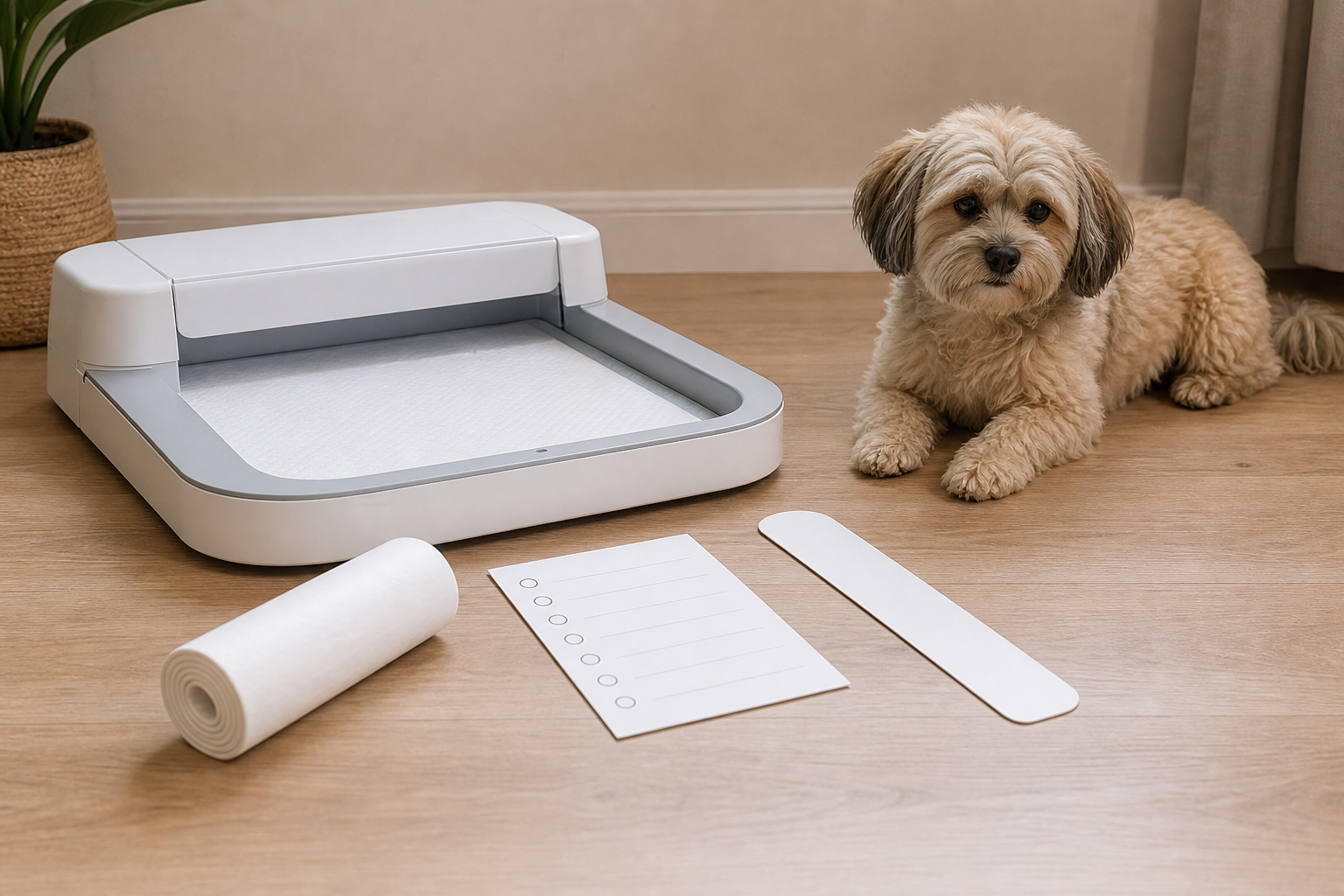
The real-grass versus artificial-turf decision
Real grass is usually the easier surface for many dogs to understand because it feels and smells closer to the outdoor target. Fresh Patch says its grass patches come in multiple sizes, including options for pets under 5 pounds, under 15 pounds, 15 to 30 pounds and larger dogs or multi-dog homes. Its FAQ also says replacement frequency can range from every week to every four weeks depending on dog size and use.
That is the first math problem. A patch that looks reasonable as a one-time order can become a meaningful monthly cost if your dog uses it several times a day or needs a larger size. It may still be worth it for a new puppy, a senior dog, an owner with limited mobility or a high-rise apartment. Just price it as a routine supply, not a cute accessory.
Artificial turf flips the tradeoff. You avoid frequent grass deliveries, but you take on cleaning. The AKC notes that indoor potty surfaces can include pads, artificial grass or other liners, and warns owners to think about hygiene and whether the liner is disposable or easy to wash. That is where many cheap turf trays fail. If the mat holds odor, the tray pools urine or the grass is hard to rinse completely, the low upfront price can turn into replacement mats and cleaners.
Measure the dog, not the box photo
The patch has to fit the dog while the dog is moving, not just standing still. A puppy or small dog may use a compact patch comfortably. A medium dog may need more turning space than the listing suggests, especially if the product has raised edges, a frame or a tray lip.
Before checkout, check these details:
- Usable potty area: Look for the actual grass or turf dimensions, not the outer tray dimensions.
- Dog weight range: Treat brand weight ranges as a starting point, then size up if your dog circles before going.
- Tray height: A tall lip can bother puppies, senior dogs or dogs with short legs.
- Drainage path: Synthetic turf needs a clear path into a removable tray or pad layer.
- Balcony fit: Leave room to open the door, clean around the patch and keep it away from shared drainage areas.
If the listing does not show the underside, replacement turf size or tray cleaning method, assume you may be buying a trial product. That makes the return policy more important.
The checkout math owners miss
Do not compare a reusable turf tray with one box of real grass. Compare the first 60 or 90 days.
For real grass, add the patch size, delivery frequency, tray or sleeve add-ons, shipping limits and whether a processed shipment can still be canceled. Fresh Patch says its common replacement schedule is every two weeks, while heavier use can require a one-to-two-week change. It also says processed shipments are not refundable because of the nature of the product, even though customers can cancel service.
For synthetic turf, add replacement mats, pee pads if the tray uses them, enzyme cleaner, gloves and the time cost of rinsing the tray. If you live in a building where balcony washing is limited, a cheaper rinse-out design may be less practical than it looks.
Then check whether the deal only applies to the first order. Chewy’s Autoship page, for example, explains that eligible first Autoship orders can receive a larger first-order discount with a cap, then a smaller ongoing discount on select brands. That kind of structure can be useful, but it means the second and third orders matter more than the first checkout total.
What to avoid
Avoid any product that hides the replacement schedule. If the turf mat is proprietary and the seller does not clearly sell replacements, the tray can become useless once the first mat smells or curls.
Be cautious with listings that promise “odor-free” without explaining drainage, washable parts or replacement timing. Indoor potty products are dealing with urine and feces. They need cleaning access, not just marketing language.
Do not use an indoor potty patch as a reason to skip exercise, socialization or outdoor training. The AKC says indoor potty training can be convenient, but puppies still need time outside for socialization, exercise and mental stimulation. If your dog suddenly has accidents, avoids the patch, strains, seems painful or changes bathroom habits, treat that as a reason to call your veterinarian instead of buying another tray.
Also avoid placing a balcony potty where runoff can bother neighbors or flow into shared spaces. Apartment rules vary, and a product that technically fits your balcony can still violate building expectations.
When a real-grass subscription makes sense
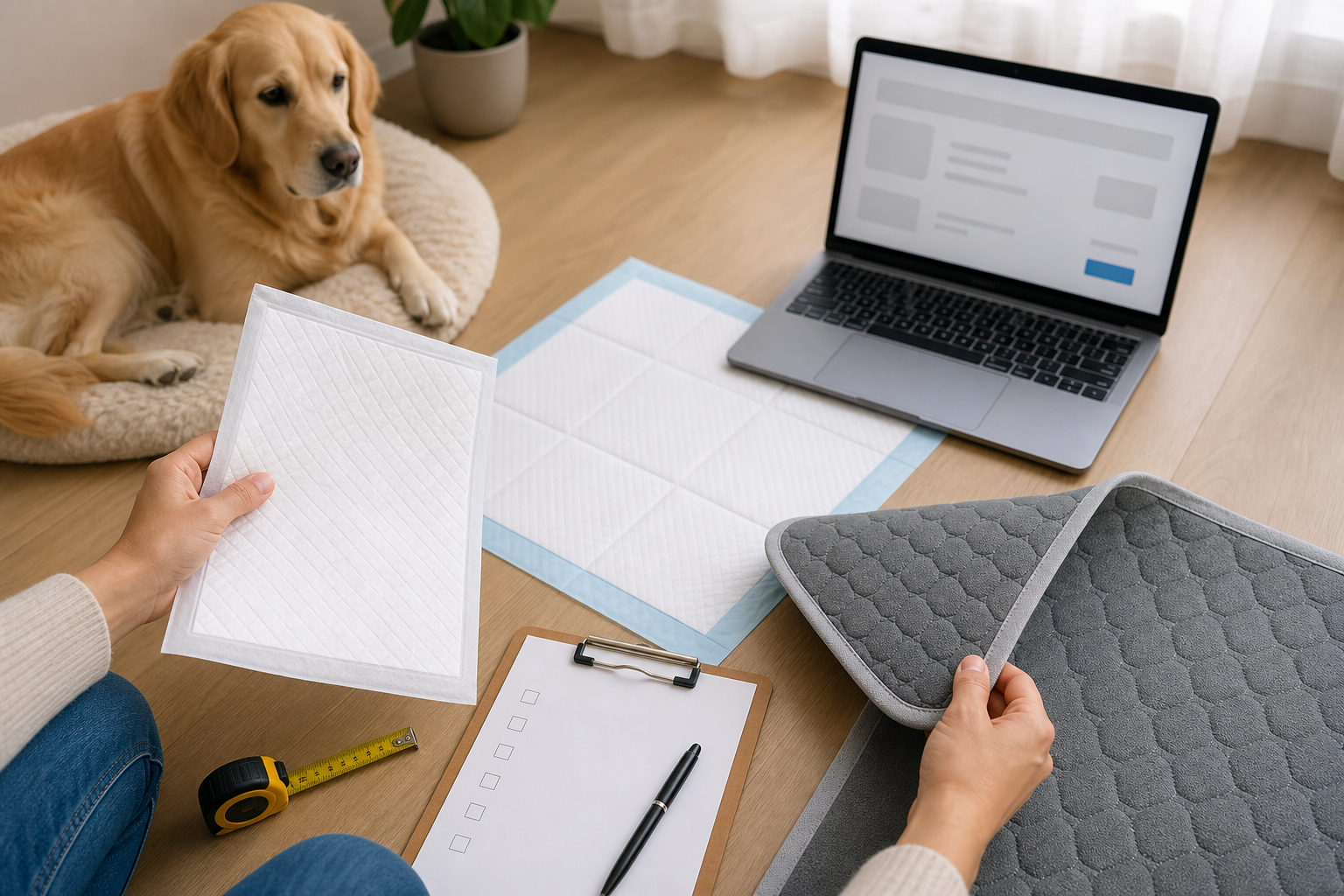
A real-grass delivery can be worth the premium when convenience is the main point. It is especially practical for a small puppy in a high-rise, a dog recovering from a temporary mobility issue, a senior dog that needs faster access, or an owner who cannot reliably carry a dog outside at night.
It is less compelling if your dog is large, uses the patch many times per day, chews cardboard, or if delivery timing is unreliable in your area. Fresh Patch says its grass ships from California and notes timing considerations for East Coast and Midwest customers so grass does not sit unnecessarily over a weekend. That is exactly the kind of detail to read before subscribing.
DoggieLawn presents the same category as a scheduled real-grass delivery service, with plans that can be skipped, paused or canceled. That flexibility is useful, but only if you actually manage the account before the next shipment processes.
When artificial turf is the better deal
Artificial turf can be the better value when you have an easy wash station, a dog that accepts the surface and a tray that drains cleanly. It is also easier to keep as a backup for storms or late-night emergencies because you are not waiting for live grass to arrive.
Look for replaceable mats in standard sizes, a tray you can lift and empty without spilling, and a design that does not trap liquid in seams. If you plan to use it indoors, check whether the bottom is stable on tile or wood flooring and whether the listing says the parts are washable.
The wrong turf setup can make house-training harder. Puppies can develop surface preferences, so switching between pads, turf, balcony grass and outdoor grass should be deliberate. If outdoor potty training is the long-term goal, keep the routine consistent and transition slowly.
Deal and coupon checks before you pay
Before using a coupon or subscription discount, verify the actual recurring order. Check the size, delivery frequency, replacement items, shipping address and cancellation deadline. A first-order discount is not helpful if it locks you into a size your dog outgrows in a month.
For real-grass brands, read the policy for damaged deliveries, refunds and processed shipments. For reusable trays sold through a retailer, check whether used potty items can be returned and whether replacement turf is sold by the same retailer. If a marketplace listing has many similar versions under different brand names, save the exact replacement-mat dimensions before ordering.
The safest deal is usually a small trial setup with a clear path to either cancel, size up or buy replacement parts. The riskiest deal is a large bundled kit where the tray, turf and pads are all proprietary and the seller gives vague cleaning instructions.
Quick answers
Is real grass better than artificial grass for dogs?
Not automatically. Real grass may be easier for some dogs to understand, but it usually costs more over time. Artificial turf can be cheaper if you can clean it thoroughly and buy replacement mats.
How often should a dog grass patch be replaced?
It depends on size and use. Fresh Patch says replacement can range from one to four weeks, and heavier daily use may need a one-to-two-week schedule.
Can a balcony potty replace walks?
No. It can help with timing, bad weather or apartment logistics, but dogs still need exercise, enrichment and outdoor experience when it is safe for them.
What is the biggest checkout mistake?
Buying by the first price instead of the 60-day cost. Include replacement grass or turf, cleaning supplies, shipping limits and cancellation rules before deciding.
Sources
Sources last checked September 7, 2026, 13:34 CEST, Europe/Rome.
- American Kennel Club: Indoor Potty Training for Puppies
- Fresh Patch: real grass dog potty information, sizing, care, shipping and cancellation FAQ
- Fresh Patch Standard product page and subscription details
- DoggieLawn: real grass dog potty subscription information
- Chewy Autoship terms and frequency information
- FDA Animal and Veterinary Recalls and Withdrawals, checked during topic selection