
#dog tracker
#Fi Ultra
#satellite dog tracker
#satellite pet tracker
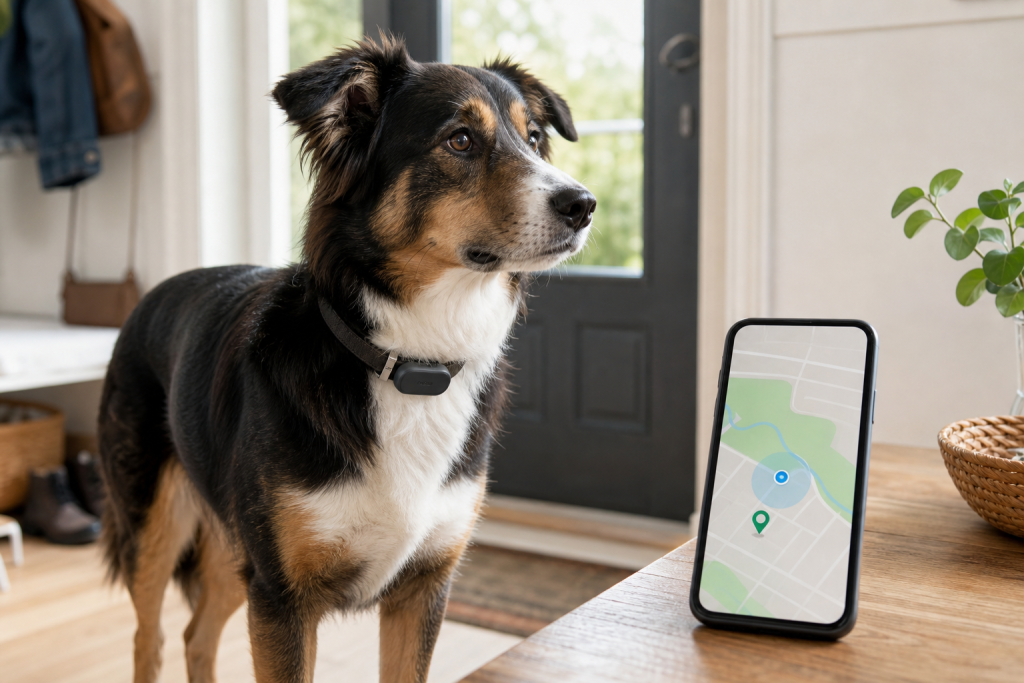
A satellite dog tracker deal is only a good buy if your dog actually spends time where normal LTE tracking fails. Fi Ultra’s Starlink-backed fallback can help in cellular dead zones, but the tradeoff is a higher upfront commitment, an annual membership and much shorter battery life than ordinary GPS collars. Before you buy, treat it like emergency hiking gear, not a cheaper everyday tracker.
Why This Tracker Topic Matters Now
Pet tech is moving beyond Bluetooth tags and standard GPS collars. Fi announced Fi Ultra in July 2026 as a dog tracker that combines GPS, LTE and T-Mobile’s T-Satellite with Starlink for use in U.S. areas where cellular coverage drops. That is a real shopper hook for owners who hike, camp, hunt, travel in rural areas or live where a normal tracker can go quiet.
The mistake is assuming that “satellite” means the same thing for every household. If your dog mostly walks in a city, a standard GPS collar, a well-fitted ID tag and a registered microchip may cover the practical risk for less money and less charging. If your dog regularly runs off where your phone loses signal, satellite fallback may be worth considering, but only after you check the coverage, update speed, battery routine and membership terms.
The Checkout Question: Do You Need Off-Grid Tracking?
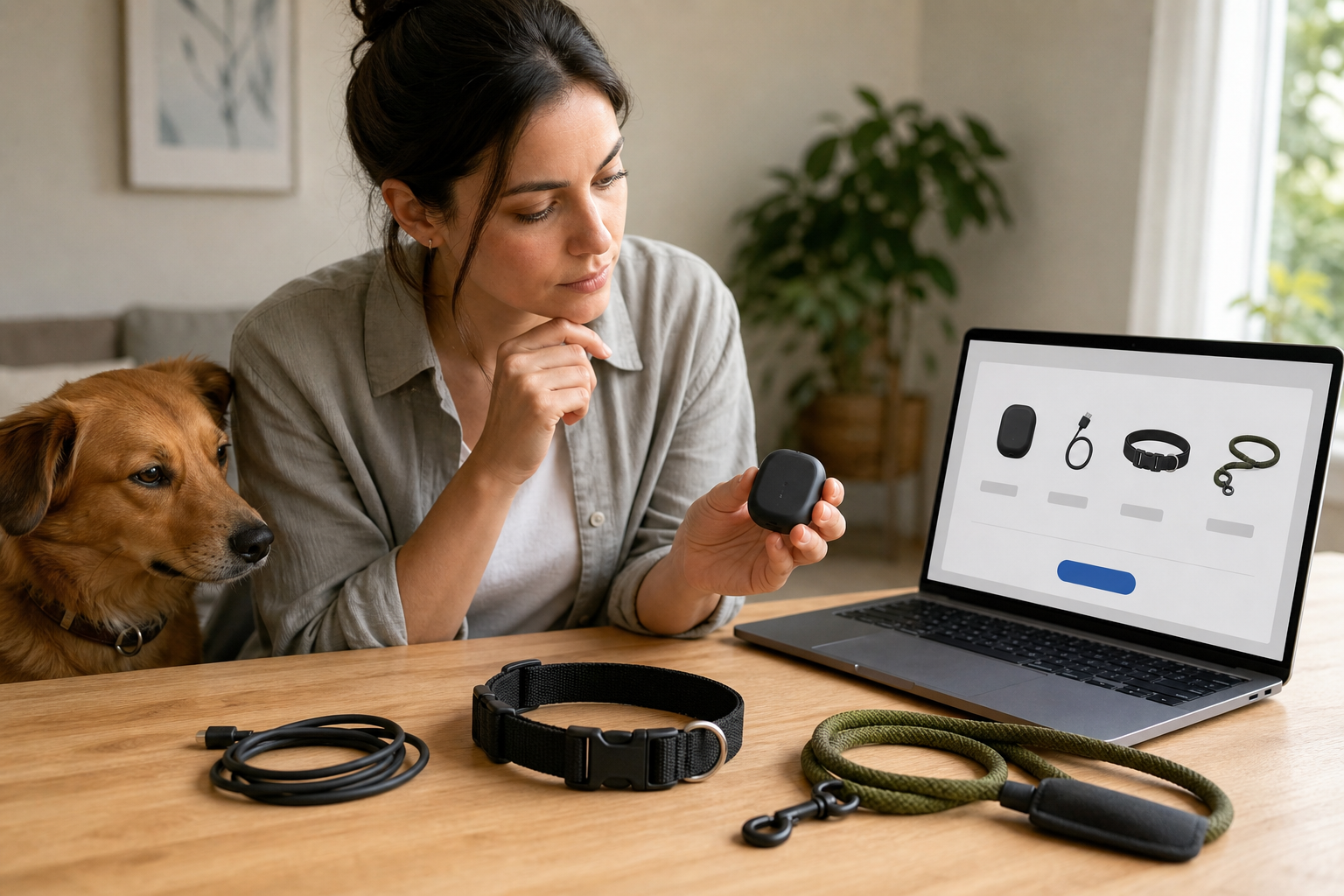
Start with where the dog gets lost, not with the flashiest feature. A satellite-capable tracker is most relevant when the risk area has weak cellular service: trailheads, farms, large rural properties, campsites, hunting land or long road trips through dead zones. If the riskiest place is your neighborhood, the device’s cellular GPS performance, escape alerts, collar fit and membership cost may matter more than satellite fallback.
Fi’s launch announcement says Fi Ultra automatically switches between LTE and T-Satellite with Starlink when cellular networks are out of reach. The company also lists a new-member cost of $199 plus a $189 annual membership, with a flat-fee option for existing Fi members. Those numbers make the purchase different from a simple collar accessory, because the first-year cost is only part of the decision.
Battery Life Is the Hidden Tradeoff
Satellite fallback uses more power than a tracker that mostly waits on Bluetooth, Wi-Fi or cellular check-ins. Fi describes Fi Ultra as having multi-day battery life. In The Verge’s hands-on testing, the tracker was useful in a cellular dead zone, but the reviewer also found that live tracking and reconnection could drain the battery fast enough to make daily or every-other-day charging realistic during active use.
That is not automatically a deal breaker. It does mean the tracker has to match your routine. A short-battery adventure tracker can make sense for a weekend trip if you charge it before leaving and bring a power bank. It is a weaker fit if you want a collar you can forget about for weeks.
What To Check Before Buying
- Coverage reality: Confirm whether the satellite feature is intended for the country and areas where you travel. Fi’s launch language focuses on tracking nearly anywhere in the U.S.
- Membership cost: Add the annual plan to the first-year price, then compare that with a conventional GPS tracker and your actual travel frequency.
- Update speed: Satellite fallback can be valuable without being instant. Check how often location updates refresh in the conditions you care about.
- Battery routine: Ask whether you can charge it before every trip, recharge during travel and notice a low-battery warning before the dog is loose.
- Collar or harness fit: A tracker that is too wide, heavy or awkward for your dog can become a comfort problem. Check size, weight and attachment style before relying on it.
- Companion features: If you also want sleep, activity, scratching or health insights, compare the satellite model with the brand’s standard tracker line. The adventure model may not be the strongest everyday wellness device.
- Return and support terms: Keep packaging until you confirm fit, app setup, charging, signal behavior and whether your phone can reliably use the app where you travel.
Deal And Coupon Checks That Matter
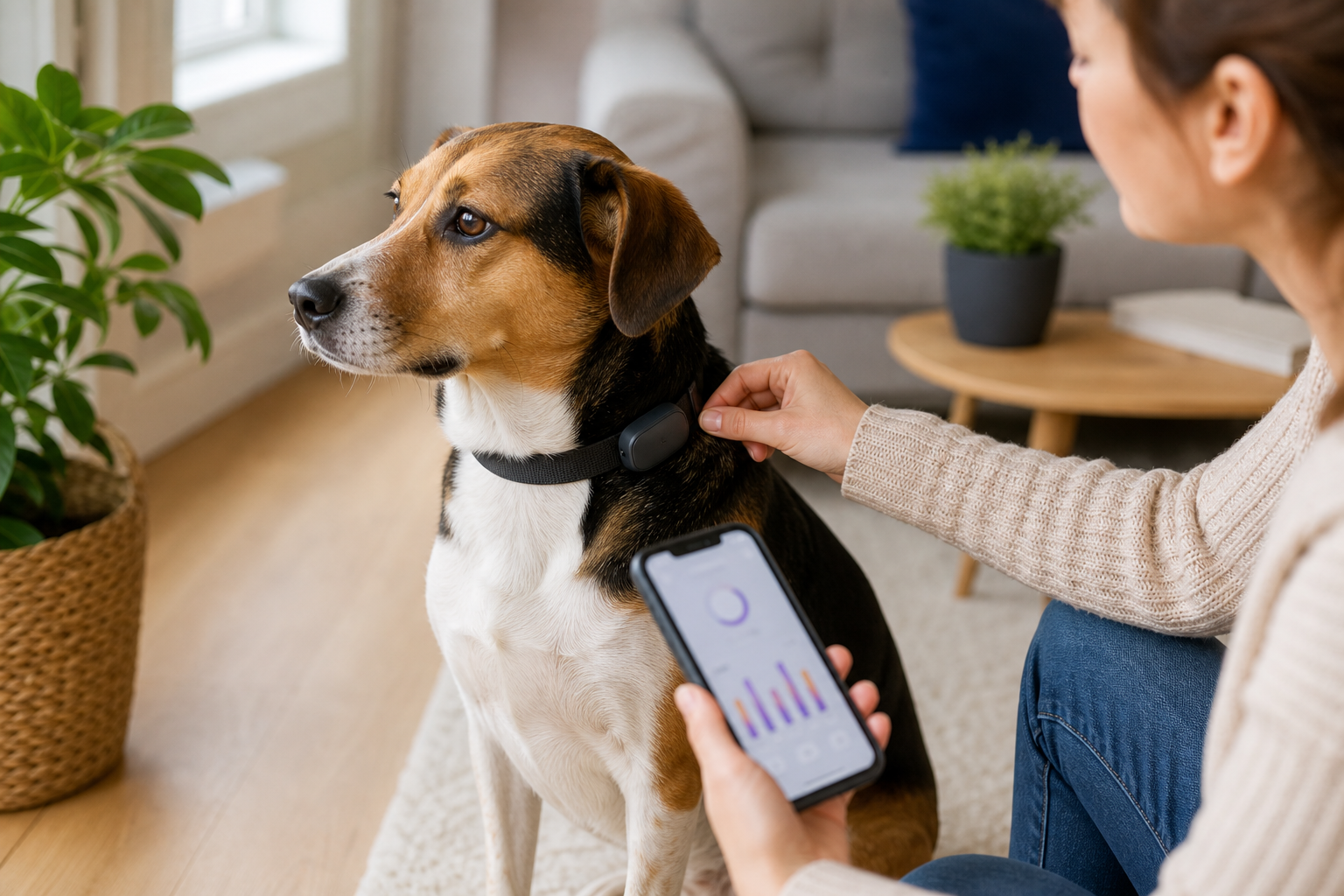
Do not judge this kind of deal by the device price alone. Add the membership, activation fees if any, replacement clips, extra chargers, travel power accessories and any charge for adding the device to an existing plan. A discounted tracker can still be expensive if the subscription renews before you decide whether off-grid tracking is part of your real life.
If a retailer or brand page advertises a limited offer, verify the terms in the cart before paying. Check whether the promotion applies to the hardware, the membership, both, or only a bundle. Also check whether returns refund the membership portion, whether the device has to be unused, and whether a trial starts immediately after activation.
What To Avoid
- Avoid buying satellite tracking for a dog who never leaves reliable cell coverage unless you have a specific backup need.
- Avoid treating the tracker as a replacement for a microchip, visible ID tag, leash, fence repair or training plan.
- Avoid assuming “real time” means second-by-second updates in every canyon, forest or rural road.
- Avoid a tracker that is uncomfortable on your dog, especially if the device is wide on a small neck or unstable on a harness.
- Avoid health or behavior conclusions from tracker data without discussing meaningful changes with your veterinarian.
Who Should Consider It
Fi Ultra makes the most sense for dogs that regularly enter places where cellular service is poor and a few extra minutes of location information could matter. That includes backcountry hiking dogs, rural property dogs, working dogs, camping companions and escape-prone dogs in low-coverage areas. For a suburban dog whose biggest risk is slipping out the front door, a conventional GPS collar with longer battery life may be the more practical buy.
Quick Answers
Is a satellite dog tracker better than a normal GPS collar?
It can be better in cellular dead zones, but it is not automatically better for daily use. Compare coverage, battery life, size and membership cost.
Does a satellite tracker replace a microchip?
No. A microchip is still important identification if your dog is found and scanned. A tracker helps with active searching, while a microchip helps with reunification after someone has the dog.
Should I buy it for a small dog?
Check the physical dimensions and weight first. A tracker built for adventure coverage can be wider than a small dog’s neck, even if it technically attaches to a collar or harness.
What is the safest way to test it?
Test fit, app alerts, charging, location updates and callback sounds in controlled conditions before relying on it off leash or far from home.
Sources
Sources last checked: September 7, 2026, 10:35 CEST, Europe/Rome.