
#flea control
#pet food storage
#pet safety
#plague
Recent plague reports do not mean pet owners should panic-buy every flea product on sale. The smarter move is to verify that your dog or cat is on a veterinarian-approved flea-control plan, then check the less glamorous supplies that keep rodents and wildlife away from pet food and bedding. A cheap deal is not useful if it is the wrong species, the wrong weight range or a home spray that distracts you from calling your vet when a pet seems sick.
New Mexico health officials reported on July 2, 2026, that a Santa Fe County rodent tested positive for plague, after three Santa Fe County dogs and one Bernalillo County dog had also been diagnosed earlier in the year. Plague is rare, but it is carried in wildlife and commonly transmitted by flea bites, so the shopping lesson is practical: buy the right flea control and reduce the things around your home that attract rodents.
Why This Matters Now
The New Mexico Department of Health says plague circulates in wildlife and can affect pets if they eat an infected animal or are bitten by infected fleas. CDC guidance for areas where plague occurs says pet dogs and cats should receive regular flea control and should not roam freely. CDC prevention guidance also points to rodent habitat, pet food and wild animal food as risk factors around homes.
That does not turn every flea collar, yard spray or discount bundle into an emergency purchase. It means the checkout question should be sharper: is this product appropriate for your pet, your location and your vet’s advice, or is it just a familiar-looking sale badge?
The Checkout Checks That Matter
Start with the pet, not the coupon. Confirm species, weight range, age limits and whether the product is for dogs, cats or both. Cat owners should be especially cautious because some products made for dogs are not safe for cats, and a discount does not fix a label mismatch.
Then check the schedule. A one-time purchase may leave a gap if the product needs monthly dosing, replacement collars or regular refills. If you use Autoship or Subscribe and Save, compare the refill interval with the product label and your veterinarian’s instructions instead of assuming the retailer’s default schedule is right.
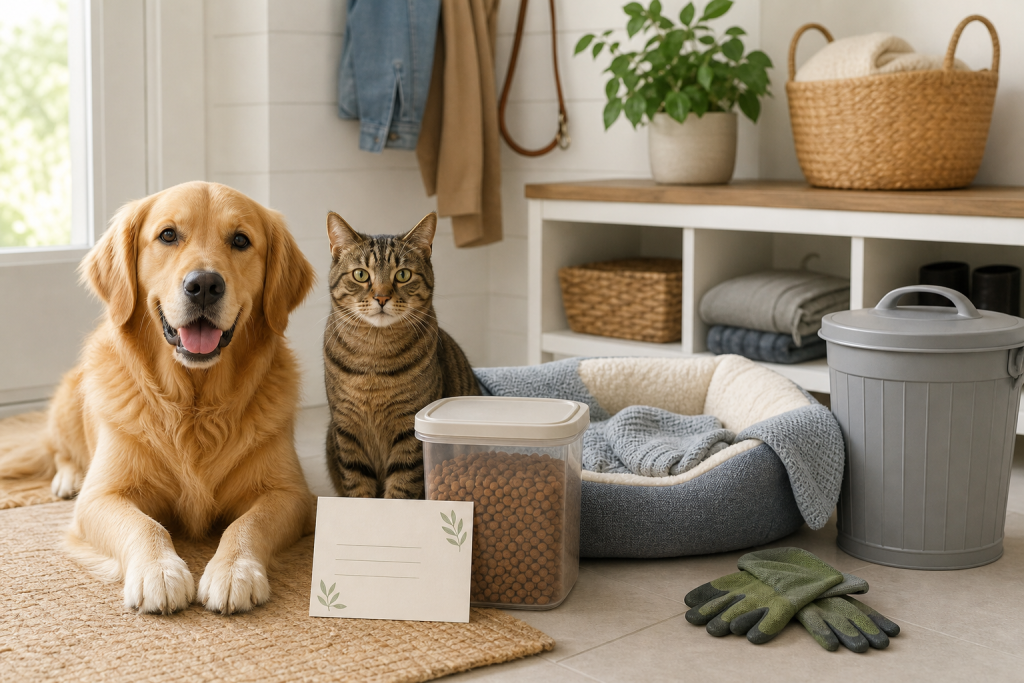
Finally, check the whole-home cost. In plague-prone areas, the unexciting items may matter too: sealed pet-food containers, covered trash, cleanup bags, washable bedding, yard gloves and storage bins that keep food and water away from rodents and wildlife. Those purchases do not replace flea control, but they can reduce the attractants that make a yard or garage more inviting.
Deal And Coupon Mistakes To Avoid
Do not buy a flea product only because it has the biggest first-order discount. Check whether future refills stay affordable, whether the item is returnable after opening and whether the seller is the brand, a trusted retailer or an unknown marketplace listing.
Be careful with bundles that mix pet treatments, home sprays and yard products. They may look complete, but the labels can have different pet re-entry times, age limits, species restrictions and application areas. If the product is a pesticide or medication, the label is not a suggestion.
Also avoid letting a coupon push you into stockpiling more than you can use before the expiration date. Flea control that expires in a cabinet is not a bargain, and switching products without veterinary input can create confusion if your pet later has a reaction or seems ill.
What To Avoid Around Dogs And Cats
Do not treat plague headlines as a reason to self-diagnose or medicate a pet. NMDOH says sick pets should be examined promptly by a veterinarian, and CDC veterinary guidance says ill animals, especially cats, should be seen by a vet. Watch for concerning changes such as fever, lethargy or appetite loss, then call a professional instead of trying to solve it with an online cart.
Avoid leaving pet food and water outdoors where rodents or wildlife can reach it. Do not handle sick or dead rodents and rabbits. Do not assume indoor pets are automatically protected if fleas can enter on other animals, bedding, visitors’ pets or wildlife near the home.
Skip ultrasonic repellers, vague “natural flea shield” claims and bargain sprays that do not clearly say where and how they can be used around pets. If a product does not make the species, weight, age and safety restrictions easy to understand, choose a clearer option or ask your vet.
A Practical Shopping List
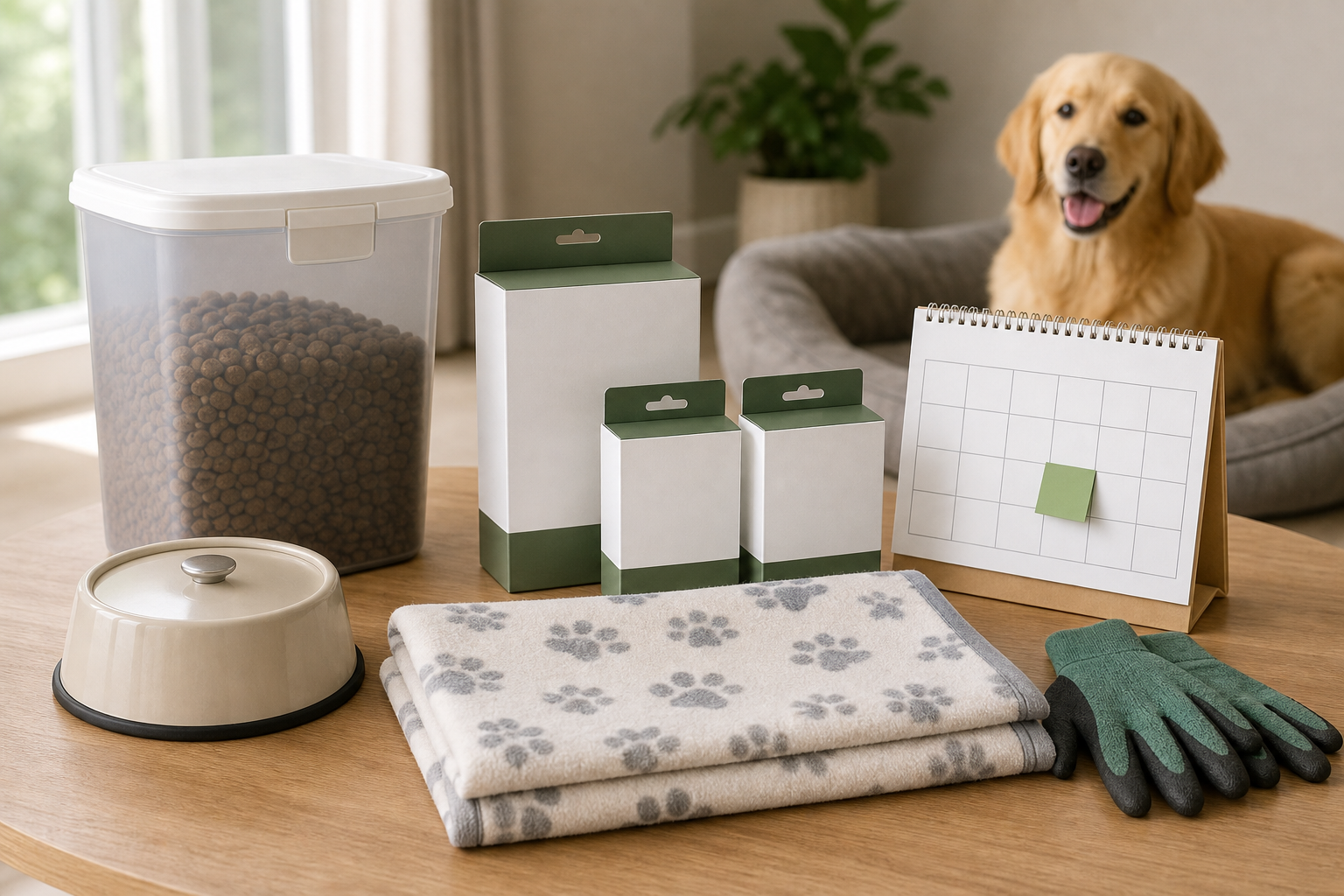
- Veterinarian-approved flea control for each dog or cat, matched to species, weight and age.
- A sealed pet-food container for garages, porches or pantry areas where rodents may be attracted.
- Washable bedding or extra covers so flea dirt, outdoor debris and pet odor do not sit for weeks.
- Gloves, trash bags and yard cleanup supplies for reducing brush, clutter and food sources near the home.
- A written refill reminder or Autoship schedule that matches the product label and your vet’s advice.
Quick Answers
Should I buy flea control because of the New Mexico plague reports?
If you live in or travel through areas where plague occurs, current official guidance supports regular flea control for dogs and cats. The product should still be chosen with your veterinarian, especially for kittens, puppies, seniors, pregnant pets, pets with medical conditions or multi-pet homes with cats.
Is a home or yard spray enough?
No. Environmental products can have a role in some flea plans, but they do not replace appropriate flea control for the pet or a veterinarian’s advice. Read the label closely before using any spray around animals, bedding, food bowls or indoor spaces.
What pet-storage purchase is actually useful?
A sturdy sealed food container is more useful than decorative open bins, especially in garages, sheds and porches. The goal is to keep pet food and water from attracting rodents and wildlife.
What should I do if my pet seems sick?
Call your veterinarian promptly. This article is shopping guidance, not diagnosis or treatment advice.
Sources
Last checked: 2026-07-13 16:33 Europe/Rome.