
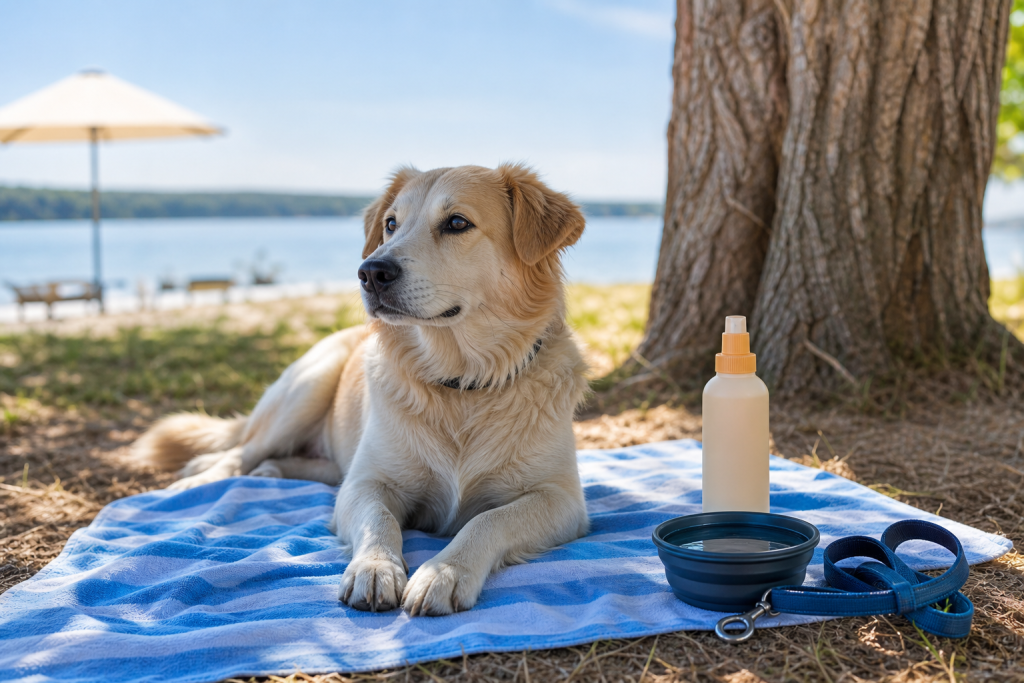
#dog nose balm
#dog sun protection
#dog sunscreen
#summer pet supplies
A dog nose balm deal is not automatically a sun-protection deal. Balms can help create a comfort barrier on a dry-looking nose, but they do not replace a pet-safe sunscreen, shade, shorter sun exposure or a veterinarian’s advice for dogs with pink skin, thin coats, hair loss or recurring nose irritation.
That matters in July because summer pet aisles are full of balms, sprays, sticks, wipes, hats and cooling gear that look like they solve the same problem. Before you add a nose balm to the cart, check whether the product is only for moisturizing, whether it makes any sunscreen claim, and whether the ingredient list avoids pet-risk ingredients found in many human sunscreens.
Why This Checkout Mistake Happens
Nose balm and sunscreen sit near each other in summer pet shopping searches, but they are built for different jobs. A balm is usually sold for dry noses, paw pads or exposed skin comfort. A sunscreen is sold to reduce UV exposure on vulnerable areas such as the nose, ears, belly or other thinly covered skin.
The confusion gets expensive because shoppers often buy the gentler-looking product, then still need a separate dog-safe sunscreen or sun shirt before a beach day, patio lunch, long hike or boat trip. It can also create false confidence if a dog has a pale nose, short coat, recent haircut or medical reason for exposed skin.
What To Check Before Buying Dog Nose Balm
Start with the front label, then read the directions and ingredients. If the product does not clearly say it provides sun protection, treat it as a moisturizer or barrier balm only. Do not assume words like natural, summer, outdoor or protective mean UV protection.
- Use case: Is it for dry nose comfort, paw pads, hot pavement, winter cracking or sun exposure?
- Species label: Is it marked for dogs, or for both dogs and cats? Cat-safe wording matters if cats in the home may lick it.
- Ingredient warnings: Avoid using human sunscreen on dogs unless your veterinarian specifically approves it. The ASPCA warns pet owners to avoid zinc oxide and salicylates in pet sunscreen choices.
- Lick risk: Any product applied to a nose can be licked. Check whether the brand gives clear application instructions and whether your dog will immediately remove it.
- Texture and mess: A thick balm may collect sand, dirt or hair. A spray may be easier for some owners but harder to keep away from eyes and noses.
- Return terms: For a first-time product, check whether an opened balm can be returned if your dog refuses it or reacts poorly.
The Sunscreen Part Shoppers Should Not Skip
The American Kennel Club says some dogs do need sunscreen and recommends looking for a water-resistant, unscented dog sunscreen with SPF 30. The ASPCA also cautions that human sunscreen can contain ingredients that are not appropriate for pets, including zinc oxide and salicylates.
That does not mean every dog needs the same product every day. It means the checkout decision should be based on your dog’s coat, skin exposure, trip length and licking behavior. For dogs with repeated sunburn, skin disease, shaved areas, a healing wound or a history of skin cancer, ask your veterinarian before treating the issue as a shopping problem.
Deal And Coupon Checks Before You Pay
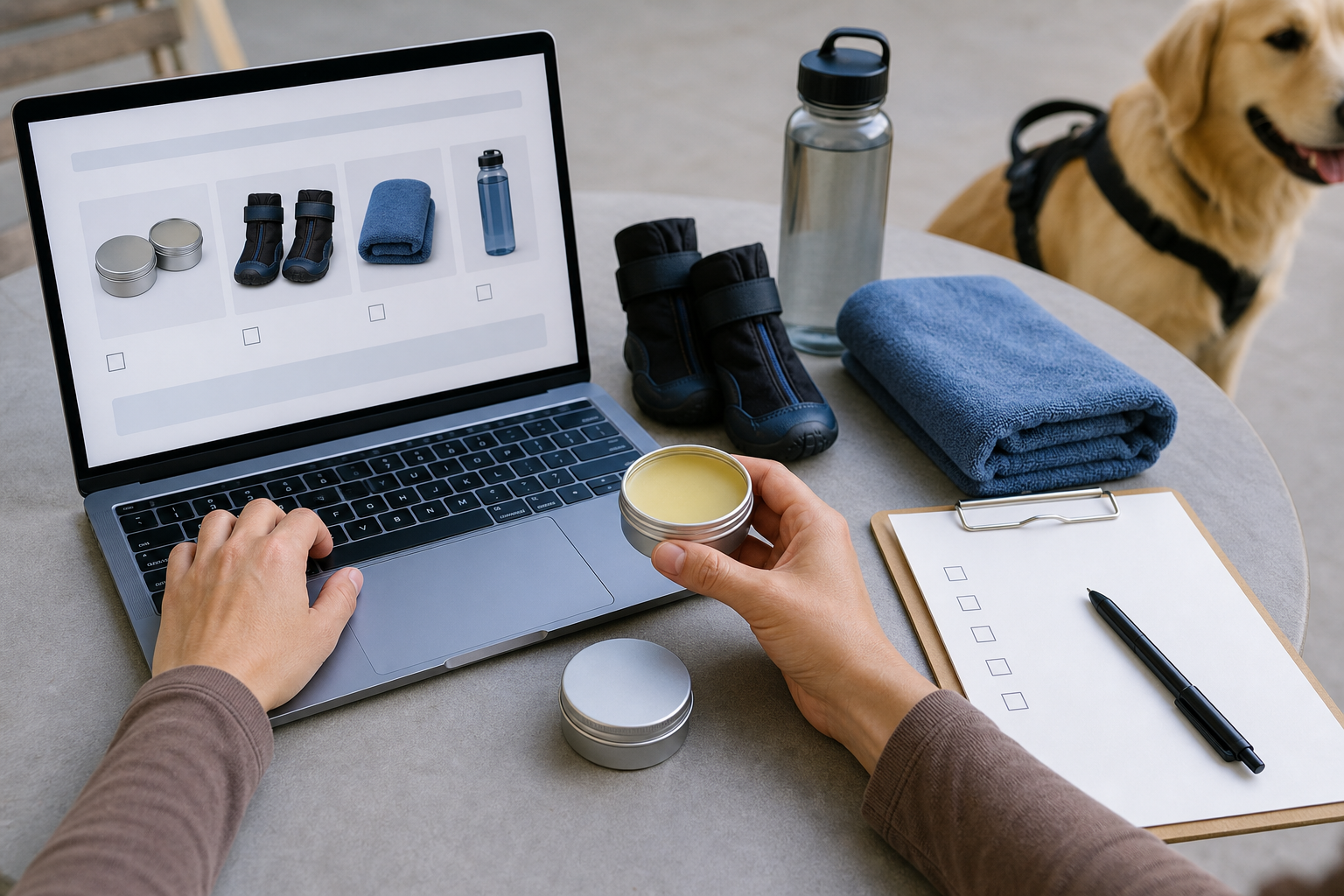
A multipack balm can be useful if you already know your dog tolerates the formula. For a first purchase, a smaller size is usually safer because nose products can fail for practical reasons: your dog licks it off, the texture is too greasy, the scent bothers them, or the product is not the sunscreen you thought it was.
Before using a coupon, compare the real basket cost against what you actually need. A discounted balm plus a separate sunscreen may cost more than one appropriate sun-protection product recommended by your vet. Also check shipping minimums, subscription defaults, marketplace seller names and expiration dates on seasonal products.
What To Avoid
Avoid buying a product because the packaging looks medical, beachy or natural. Avoid human sunscreen unless a veterinarian has approved the exact product for your dog. Avoid applying balm or sunscreen to broken, bleeding, infected-looking or painful skin and calling that solved. Those cases need veterinary guidance.
Do not rely on balm alone during peak sun. Shade, indoor breaks, water, light protective clothing and shorter outings can matter more than another tin in the cart. If the dog is white-coated, hairless, recently clipped or has exposed pink skin, be more conservative.
Quick Answers
Is dog nose balm the same as dog sunscreen?
No. A balm may moisturize or create a barrier, but it is not sunscreen unless the label clearly makes a sun-protection claim and gives sunscreen directions.
Can I use my own sunscreen on my dog?
Do not assume so. ASPCA guidance warns that some human sunscreen ingredients can be risky for pets, especially if licked. Ask your veterinarian about a dog-safe option.
Which dogs are more likely to need sun protection?
Dogs with thin coats, light coats, hairless areas, pink noses, exposed bellies or recent haircuts may need more care in strong sun. Your vet can help if your dog has skin disease or repeated irritation.
Is a nose balm deal worth it?
It can be, if you need a balm and the ingredients, size and return policy make sense. It is not a good deal if you are buying it instead of the sun protection your dog actually needs.
Sources
- ASPCA, Pets and Sunscreen: Don’t Get Burned by the Myths!
- American Kennel Club, Do Dogs Need Sunscreen?
- VCA Animal Hospitals, Zinc Poisoning in Pets
- Good Housekeeping, The 6 Best Dog Sunscreens to Protect Your Pup This Summer, used only as a current shopping-demand signal
Sources last checked: July 6, 2026, 16:33 Europe/Rome.