
#cat treats
#dog treats
#pet medication
#pill pockets
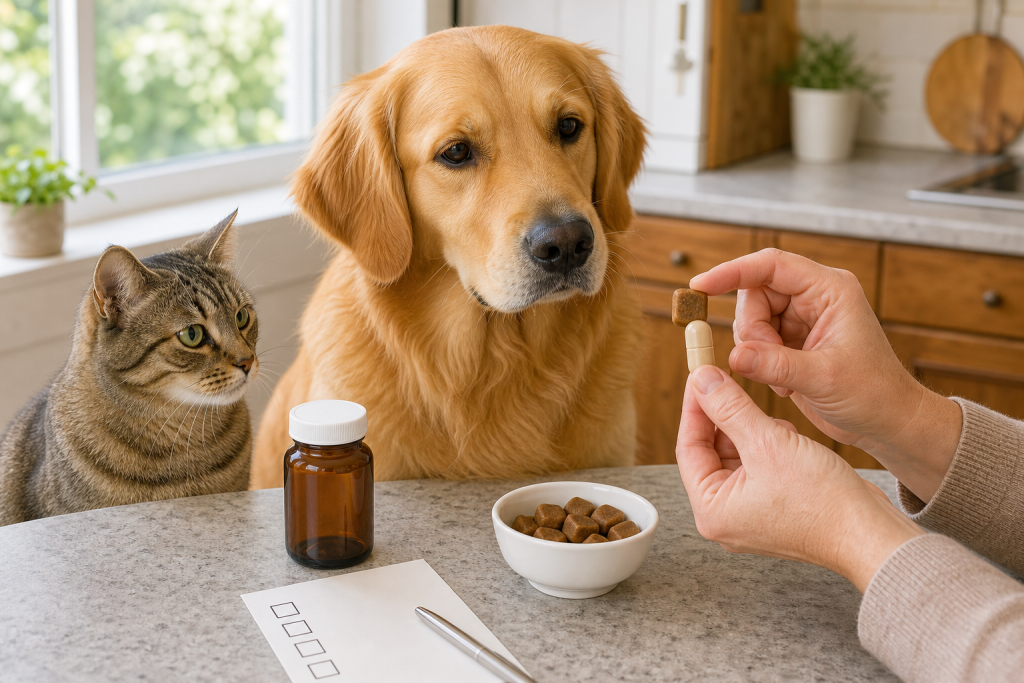
Pill pockets can be a good deal only if they fit the actual medication, the pet will eat them consistently, and your vet says the medicine can be given with food. The mistake is buying a big bag because it is discounted, then learning the capsule is too large, the flavor is rejected, or the treat adds more calories than you expected. Before checkout, compare the pocket size, ingredients, storage seal and return terms instead of treating every medication-hiding treat as interchangeable.
Medication treats are showing up in pet-shopping searches because they solve a real household problem: many dogs and cats resist tablets and capsules. VCA Animal Hospitals notes that pills may sometimes be lubricated with a soft treat, gravy or similar food to help swallowing, but the same guidance is clear that owners should follow veterinary instructions. That is why a pill-pocket deal belongs in the cart only after you check the medicine, the pet and the product details together.
Why this tiny treat can change the real price
A cheap bag can become expensive if half the treats are the wrong size or your pet learns to eat around the pill. For dogs, larger pockets may be too much treat for a small pet or too small for a bulky capsule. For cats, strong smell, texture and freshness matter because a rejected pocket can turn every dose into a chase.
There is also a second cost shoppers miss: wasted medication. If a pet spits out a hidden pill, chews the treat and leaves the tablet, or gets suspicious after one bad attempt, the owner may need a different product, a compounded option or a new plan from the vet. The treat is not the treatment. It is only the delivery aid.
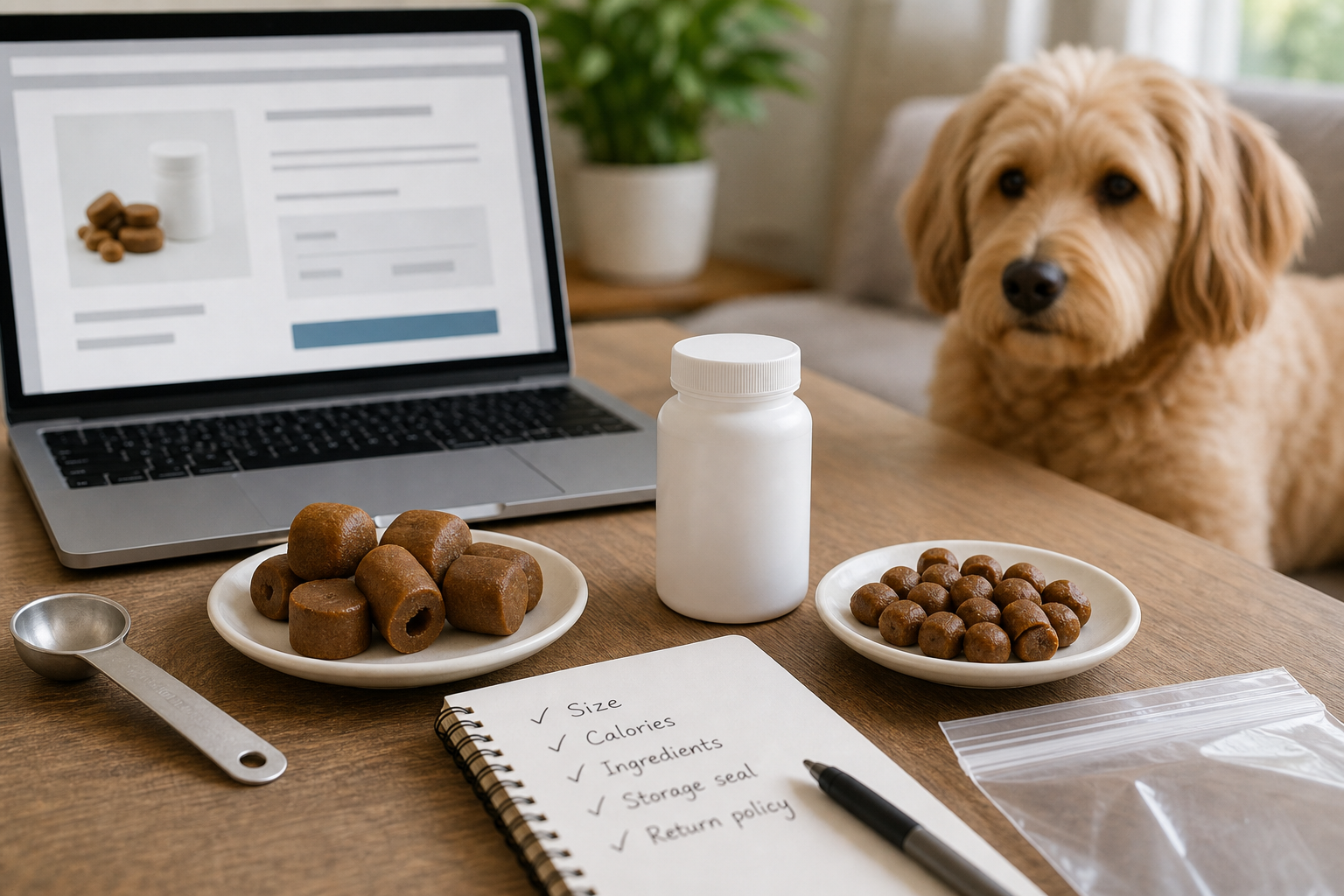
The checkout checks that matter most
Start with the medicine label and your vet’s instructions. Some medications can be given with food, while others may have timing or food restrictions. If you are not sure, ask the clinic or pharmacy before you hide the pill in any treat, peanut butter, cheese or soft food.
- Match tablet or capsule size. Check whether the product is made for tablets, capsules or both. A pocket that needs stretching may split and expose the smell.
- Check species and flavor. Dog versions are not automatically right for cats. Buy the correct species and consider a smaller package first if your pet is picky.
- Read calories and feeding directions. A daily medication can turn a treat into a routine calorie source, especially for small pets or pets on weight plans.
- Look at ingredients. Avoid products that conflict with known allergies, sensitivities or diet restrictions. Ask your vet for a safe alternative when the pet is on a therapeutic diet.
- Inspect the seal and storage needs. Soft treats dry out. A resealable pouch or small pack can be worth more than a bulk discount if you only medicate occasionally.
- Check return rules. Opened food and treat returns vary by retailer. Do not assume a disliked flavor can always go back for cash.
When a deal is not really a deal
A multi-pack or large tub works best for pets taking regular medication that already accept the flavor. It is risky for a first try. If the product page offers tablet and capsule sizes, do not buy the cheaper one until you compare it with the medication shape you actually have at home.
Also check whether the sale is tied to Autoship, a coupon code, a minimum order or a membership. A small treat bag can lose its discount once shipping, subscription settings or a cart threshold are added. For a first purchase, a smaller package from a retailer with clear return terms can beat the lowest unit price.
What to avoid
Do not crush, split or hide medication in food unless your vet or pharmacist says that is appropriate for that medication. Do not use the treat to force a pet through repeated stressful attempts. If your dog or cat refuses the pocket, vomits, drools heavily, coughs, gags, misses doses or seems unwell, contact your veterinarian for a safer plan.
Be careful with human foods used as shortcuts. Peanut butter, cheese and meat can be messy, calorie-dense or unsuitable for some pets. Some human foods are unsafe for dogs or cats, and some medication instructions are specific about food. A purpose-made pocket is convenient, but it still needs the same medication check.
Quick answers
Are pill pockets worth buying?
They can be worth it when the medicine can be given with food, the size fits and the pet accepts the flavor. Buy a small pack first if you are testing a new flavor or a picky cat.
Can I use dog pill pockets for a cat?
Do not assume that is fine. Use a cat-appropriate product or ask your vet, especially if your cat has diet restrictions, allergies or a medical condition.
Should I choose tablet size or capsule size?
Choose the size that closes around the actual medication without stretching, tearing or leaving exposed edges. If you have multiple medicines, check each one separately.
What if my pet eats the treat but spits out the pill?
Stop treating it as a simple shopping problem. Ask your vet or pharmacist whether there is a different form, flavoring option or administration method that fits the prescription.
Sources
Last checked: 2026-07-06 13:34 Europe/Rome.