
#dog grooming
#dog paw washer
#muddy paws
#pet deals
#summer dog supplies
A cheap dog paw washer can become a messy regret if the cup is the wrong size, the bristles are too stiff, or the design is harder to clean than your dog’s actual paws. The safest deal is not the biggest discount, it is the washer your dog will tolerate, that fits without squeezing the toes, drains fully and does not leave damp skin between the pads. For many dogs, a warm wet washcloth is still the better buy.
Paw cleaner cups are getting attention because summer walks, muddy parks, beach trips and rainy sidewalks all send grit back into the house. They can be useful, but they are not magic. Before you add one to the cart, check the paw opening, inner bristle feel, drying steps, return terms and whether your dog already accepts paw handling.
Why paw washers are showing up in carts now
Summer pet shopping is not only about cooling mats and travel bowls. Owners are also buying cleanup tools that make frequent walks easier, especially when dogs move between pavement, grass, mud, sand and the back seat of the car.
That timing matters because paw care is partly comfort and partly practicality. The ASPCA notes that regular grooming helps keep a dog’s skin and coat in good condition and gives owners a chance to spot irritation, fleas or other problems. The AKC also points out that washing paws can be the best option when dirt or harmful substances are stuck between the pads.
A paw washer cup can help with that routine, but only if it makes the routine faster. If it splashes water across the entryway, traps residue in the bristle insert or scares your dog after two uses, the “deal” is just another gadget in the closet.
The fit mistake that ruins the deal
Most paw washers look simple online: a cup, a silicone insert and a few turns around the paw. The problem is that dog paws are not standard cylinders. Toes spread when a dog stands, nails change the usable space, and long hair between the pads can hold water after cleaning.
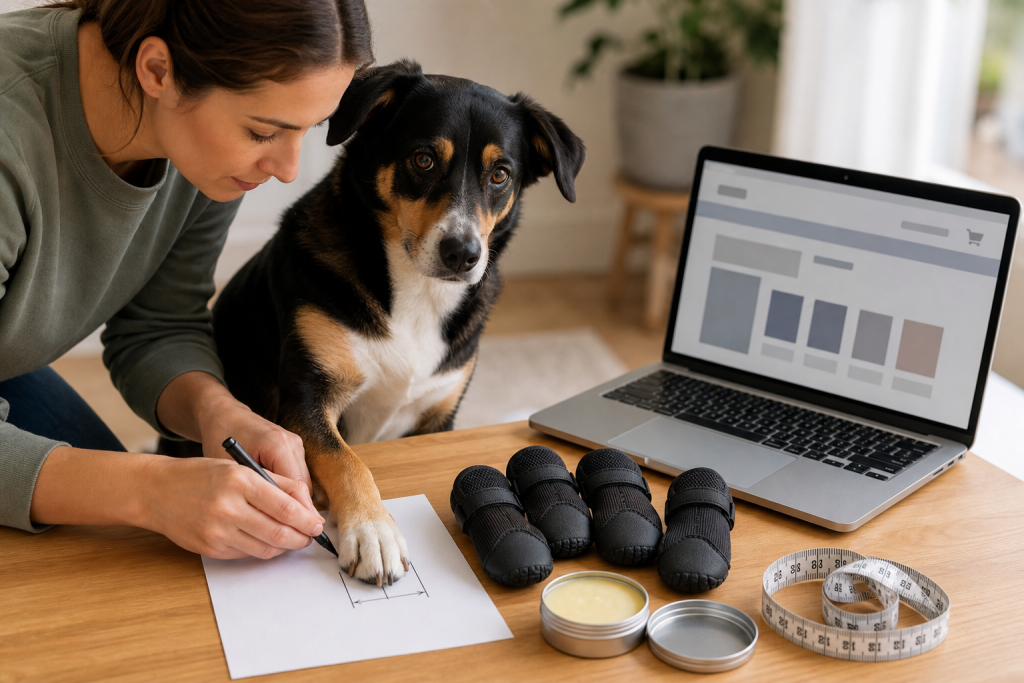
Before buying, measure the widest part of your dog’s front paw while the dog is standing. Then compare that with the inside opening of the cup, not just the seller’s breed suggestion. A washer that is too narrow can squeeze the toes and make your dog resist. A washer that is too wide may splash more and clean less.
Also check whether the bristle insert is removable. If it cannot come out, old water, dirt and hair can sit in the cup. A product meant to clean paws should not be difficult to rinse, dry and inspect.
What to check before checkout
- Opening size: Match the cup to actual paw width, not only the dog’s weight or breed.
- Bristle softness: The insert should flex easily. Skip abrasive or sharp-feeling interiors.
- Grip and stability: A slippery cup is harder to use with a wiggly dog.
- Cleaning access: Look for removable parts and simple rinsing. Hidden seams can hold debris.
- Drying plan: The washer loosens dirt, but you still need a towel. Damp paws can become uncomfortable.
- Dog tolerance: If your dog hates paw handling, start with a towel and training before buying a gadget.

When a towel is the smarter purchase
PetMD’s paw-cleaning guidance includes a simple option that many owners overlook: a paper towel or washcloth soaked in warm water after a walk. That is often enough for light dirt, pollen or sidewalk dust. It is also quieter and less strange to a dog than pushing a paw into a cup.
A paw washer makes more sense when your dog regularly comes home with mud between the pads, sand after trips or grime that takes too long to remove with a towel alone. Even then, use the cup as one step in the routine: rinse, inspect, dry and reward.
Deal and coupon checks before paying
Paw washers are easy to bundle into a cart during June deal season, especially with Prime Day 2026 scheduled for June 23-26 and pet retailers promoting grooming add-ons. Do not judge the deal only by the sale badge.
Check whether the same cup is sold in multiple sizes, whether replacement inserts are available, and whether the return policy still applies after you open the package and realize the fit is wrong. Petco’s posted return policy allows many purchases to be returned within 60 days, but return method, timing and product restrictions can matter. PetSmart’s coupon policy also says offer terms can change and that coupons may be limited, declined or processed under additional restrictions.
If the washer ships from a marketplace seller, read the actual seller return terms, not only the marketplace’s headline policy. A low-priced cup with paid return shipping can cost more than buying the correct size from a retailer with easier returns.
What to avoid
Avoid any paw washer that looks too narrow for your dog’s toes, has stiff or scratchy bristles, smells strongly of chemicals out of the package or cannot be opened for cleaning. Skip listings that show no internal dimensions, no material details and no clear return path.
Do not use human cleaning products, harsh soaps, essential oils or disinfectants inside a paw washer unless your veterinarian specifically says they are appropriate for your dog. The ASPCA cautions that some grooming products can irritate a dog’s skin, and products meant for humans are not always a good fit for pets.
Also avoid turning paw cleaning into a wrestling match. If your dog pulls away, growls, freezes or panics, stop and work gradually with treats and handling practice. If you notice redness, swelling, limping, sores, constant licking or a bad smell between the toes, ask your veterinarian instead of trying to fix it with a new product.
Quick answers
Are dog paw washer cups worth it?
They can be worth it for muddy, sandy or frequently wet walks, but they are not automatically better than a towel. Fit, bristle softness and easy cleaning decide whether the product gets used.
Can I use one paw washer for more than one dog?
Only if the size works for each dog and you clean the cup between uses. A small dog’s cup may squeeze a larger dog’s toes, while an oversized cup can splash and miss dirt.
Should I use soap in a paw washer?
Usually, clean lukewarm water is the safest starting point. If your dog needs shampoo or medicated cleaning, ask your veterinarian which product to use and how often.
Do paw washers replace checking paws?
No. You still need to look between the pads and toes for debris, irritation, ticks, cracked skin or trapped hair after walks.
Sources
Sources last checked June 9, 2026, 10:34 Europe/Rome.