
#dog travel water bottle
#pet travel
#summer dog gear
#travel dog bowl
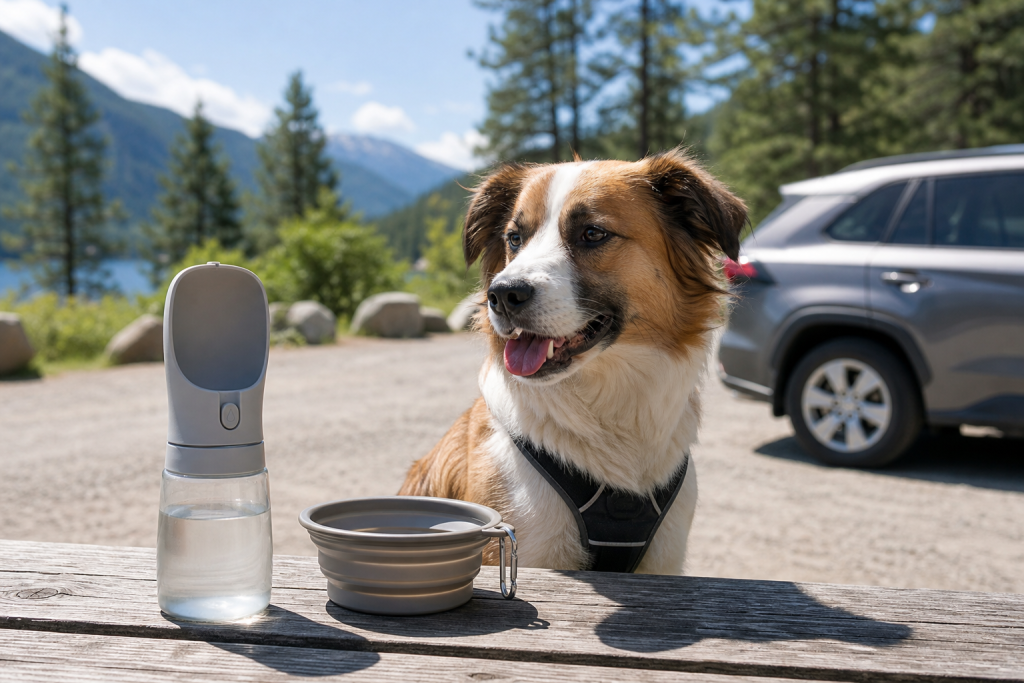
A dog travel water bottle deal fails when the bottle is too small, leaks in a bag, or uses a bowl shape your dog will not drink from once you are away from home. The useful buy is not the cheapest bottle, it is the one you can clean, refill, seal, and actually use during hot walks, road trips, park days, and travel stops. Before checkout, check capacity, leak control, bowl size, material, return terms, and whether you still need a separate backup bowl.
Why this matters now
Summer travel and outdoor pet gear are back in the shopping cycle, and hydration accessories are being pushed hard as simple add-ons. Petco’s 2026 summer collection specifically calls out travel bowls and a travel water bottle as part of warmer-weather activity gear, while the CDC’s updated pet travel guidance says owners should bring plenty of water, food, a bowl, leash, waste bags, grooming supplies, medication, first aid, and travel documents.
That makes portable dog water bottles tempting at checkout. The problem is that many of them solve only one part of the trip. A bottle may be convenient for a short neighborhood walk but annoying on a full-day drive if it leaks, holds too little water, has a hard-to-clean trough, or needs two hands every time your dog wants a drink.
The checkout checks that matter
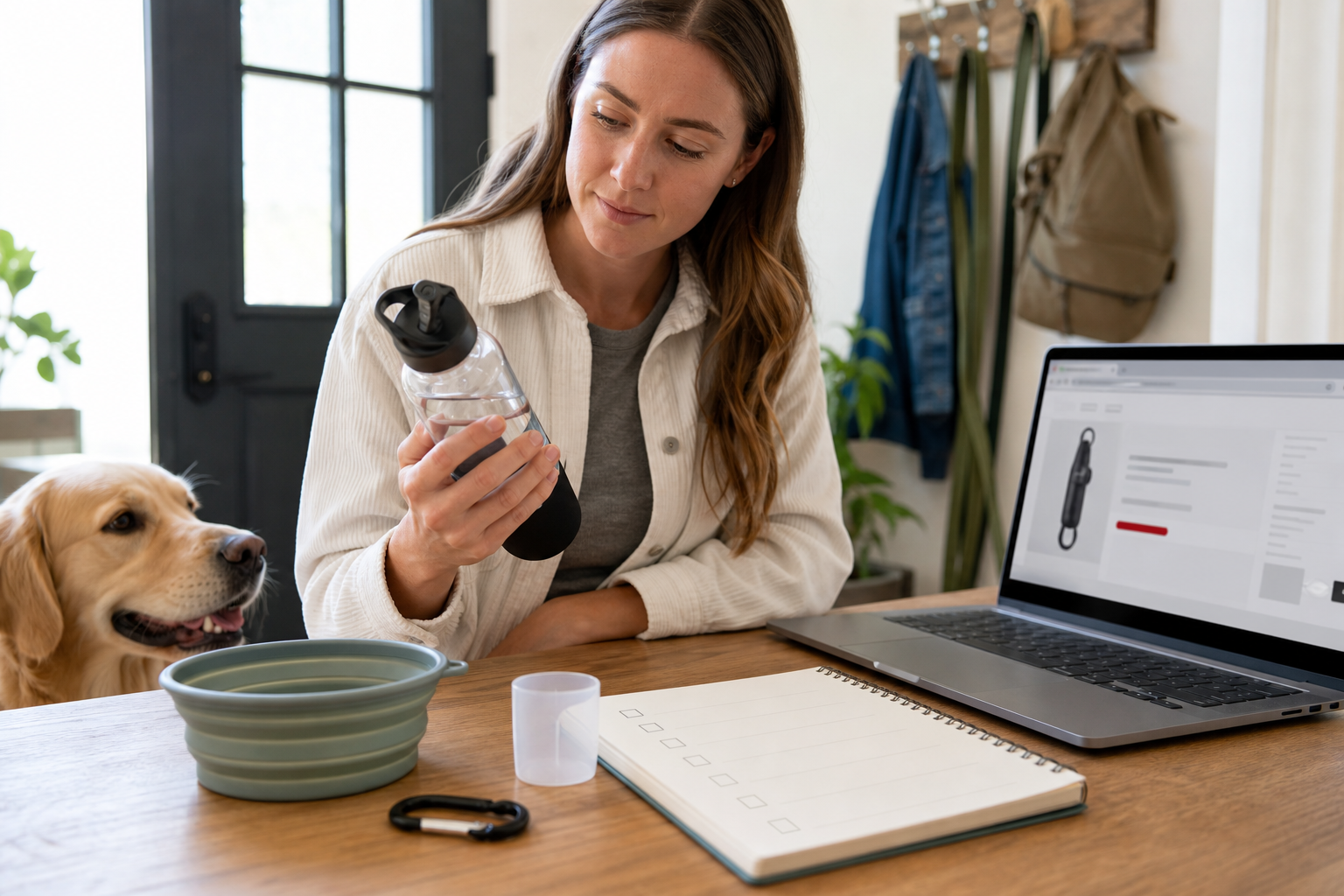
Capacity first. A slim bottle is easy to carry, but it can run out fast on warm days, hikes, beach trips, or long waits in traffic. If you already carry water for yourself, compare whether a dedicated dog bottle adds enough capacity or just duplicates gear.
Leak control. Look for a locking button, a gasket you can inspect, and reviews that discuss real bag use. A bottle that works upright in a product photo can still leak sideways in a backpack, stroller basket, or car footwell.
Bowl shape. Some dogs drink easily from a narrow trough. Others need a wider collapsible bowl. Flat-faced dogs, large dogs, nervous travelers, and dogs used to a home bowl may refuse a tiny built-in cup, which turns the deal into extra plastic you still have to replace.
Cleaning access. Travel bottles collect saliva, food crumbs, dust, and warm water residue. Choose a design you can open, rinse, dry, and clean properly. If the product has a silicone seal, valve, straw, or hidden channel, check whether those parts are removable or replaceable.
Carry method. A wrist strap is fine for a short walk. For hiking, airport transfers, or a road trip with luggage, a carabiner, shoulder bag fit, cup-holder fit, or collapsible backup bowl can matter more than a small coupon.
When a cheap water bottle is not really a deal
A low price can disappear if you buy the wrong size and then have to add a separate bowl, second bottle, leakproof pouch, bottle brush, or replacement seals. The most common mistake is treating capacity as the only spec. For travel gear, the total cost is the bottle plus the accessories needed to make it usable.

Before paying, check the final cart for shipping charges, coupon exclusions, return windows, and whether opened or used travel gear can be returned. Chewy says many items can be returned within 365 days, while Petco’s general return policy gives a 60-day window with different refund handling after 30 days. Those policies can change and may have exceptions, so read the current retailer terms on the day you order.
Road trips, flights, and hot-weather use
For car trips, the CDC recommends planning ahead, securing pets, making frequent stops, and never leaving a pet alone in a parked vehicle. It also says to bring plenty of water and a bowl. That means a travel bottle should support your plan, not replace it.
The FDA’s pet travel guidance tells owners to work with a veterinarian ahead of travel when requirements, health certificates, vaccines, or trip fitness may matter. The U.S. Department of Transportation also advises a moderate amount of water and a walk before and after air travel. For flights, do not assume a bottle clipped to your bag is enough. Check airline rules, carrier access, security restrictions, and whether a collapsible bowl is easier to use during permitted breaks.
What to avoid
Avoid bottles with vague material claims, no clear cleaning instructions, tiny troughs for large dogs, delicate hinges, unclear return terms, or listings that show only staged upright photos. Be careful with novelty shapes that look cute but cannot stand up, fit a cup holder, pour cleanly, or dry between uses.
Do not count on a travel bottle to solve overheating, illness, vomiting, severe panting, collapse, or travel distress. Stop the activity and contact a veterinarian or local emergency clinic if you are concerned about your dog’s condition. Shopping better helps prevent avoidable hassles, but it is not medical care.
Quick answers
Is a dog travel water bottle better than a collapsible bowl?
It depends on the trip. A combined bottle and bowl is convenient for short walks. A separate collapsible bowl is often better for large dogs, multi-dog homes, camping, flights, and long drives where you may need to pour from a larger water supply.
What size should I buy?
Start with the longest realistic outing, not the shortest walk. If the bottle would be empty before you get home, size up or carry a separate water bottle for refills.
Are insulated dog water bottles worth it?
They can be useful for hot cars, hikes, and beach days, but they are heavier. Check whether the extra weight makes you less likely to carry it.
Should cats use these bottles too?
Most are designed around dogs. For cats, a familiar travel bowl and secure carrier setup is usually more practical, especially because cats may be less willing to drink from a new trough in a stressful place.
Sources
Last checked: June 3, 2026, 10:35 Europe/Rome.
- CDC, Pet Travel Safety.
- FDA, Travel Training for You and Your Pets.
- U.S. Department of Transportation, Plane Talk: Traveling with Animals.
- Petco press release via PR Newswire, 2026 summer collection announcement.
- Chewy, Return Policy.
- Petco, Return Policy.