
#cat treats
#human-grade cat treats
#pet deals
#pet food labels
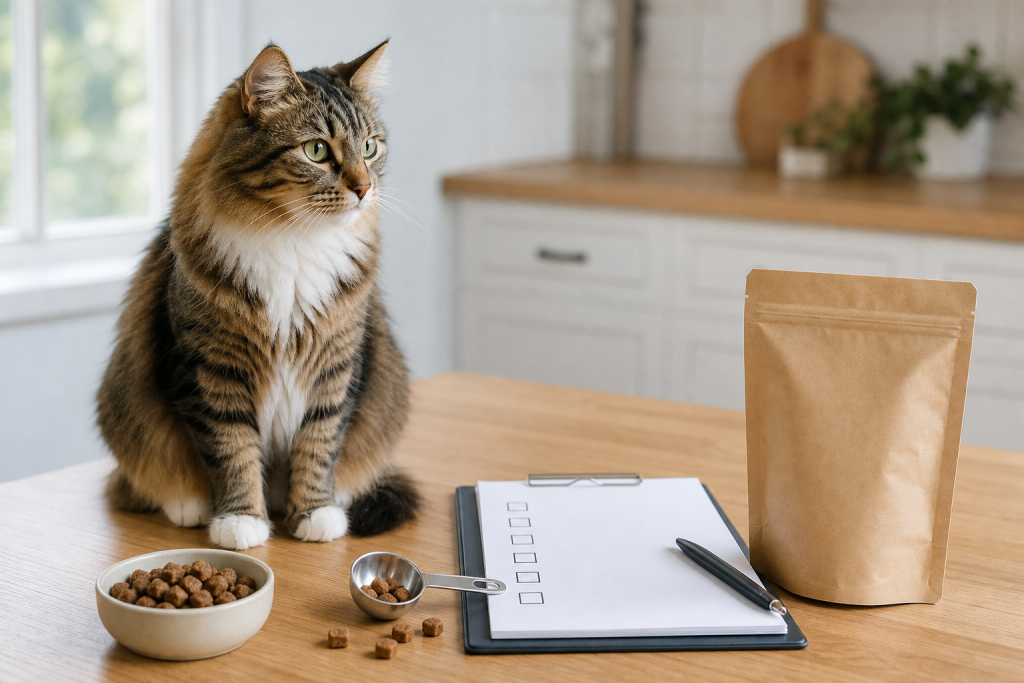
A human-grade cat treat can still be a bad deal if the claim makes you buy a big bag, a multipack or an autoship before you check what it actually means. The phrase is about how the whole product is made and handled, not proof that the treat is healthier, lower calorie or right for every cat. Before checkout, treat it like a label claim to verify, not a shortcut around portion control or your vet’s advice.
That matters right now because cat treats are getting more premium, more functional and more human-food-inspired. Trend trackers have been flagging human-grade cat treats and prebiotic cat treats in June 2026, while major pet retailers continue to push autoship and limited-time pet-food promotions. The result is a tempting cart: a polished treat pouch, a health-sounding claim and a discount that may only be useful if your cat actually eats the product and you can use it at the right pace.
What “human-grade” should make you check
The useful question is not whether the front of the pouch sounds clean. It is whether the claim applies to the product as a whole. AAFCO’s human-grade standard says the term should refer to the entire pet food product, not just a few ingredients, and every use should be paired with the intended animal-food use, such as human-grade cat treats.
For a shopper, that means a vague phrase like “made with human-grade ingredients” deserves a closer look. If the product is truly leaning on that standard, the brand should make it easy to understand the intended use, the ingredient list, the guarantor, the calorie content and any feeding directions. If you have to guess whether it is a treat, a topper, a supplement or a complete food, that is not a deal worth rushing.
The treat can be premium and still add up fast
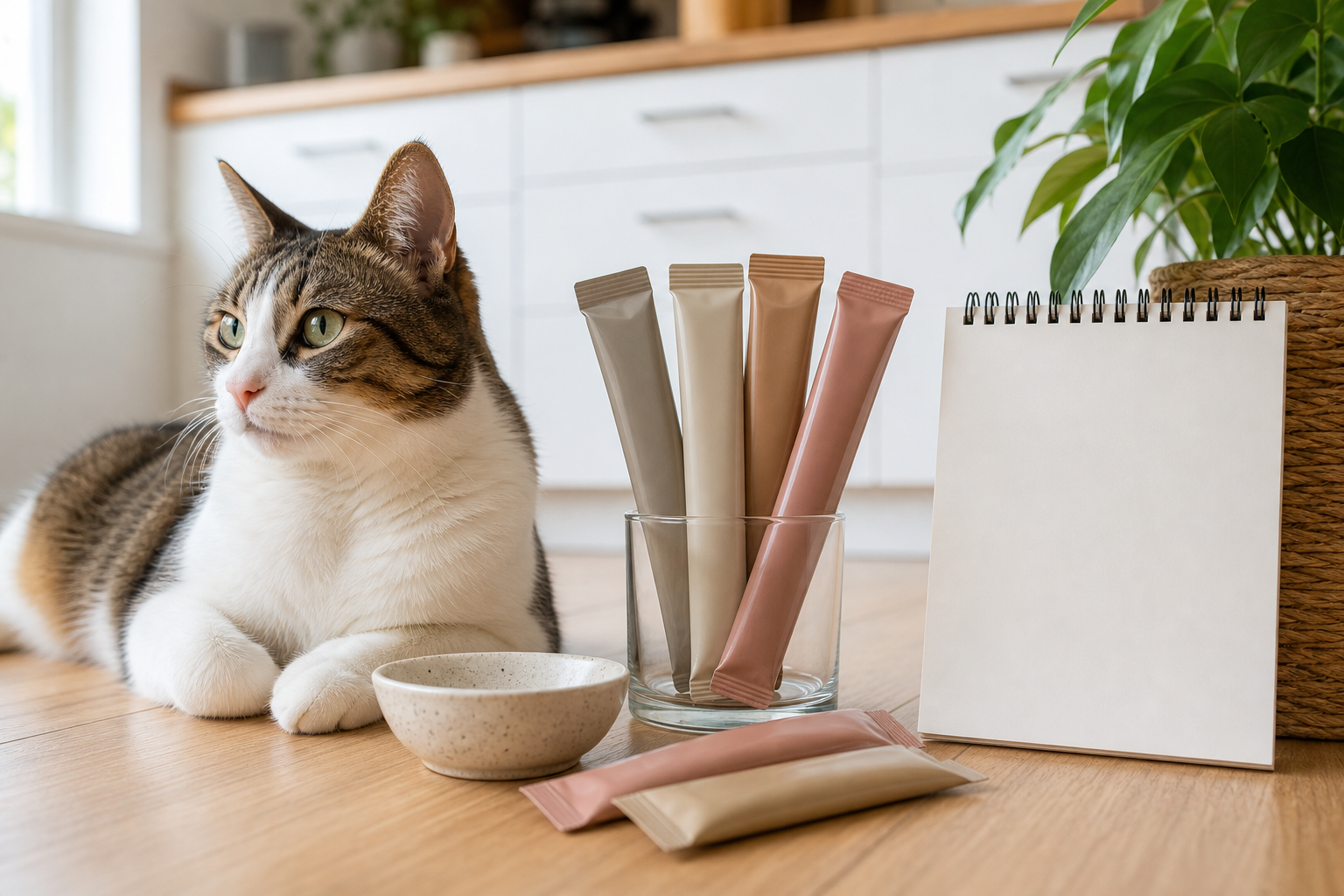
Human-grade language often sits on small pouches with a high price per ounce. That is not automatically unfair, especially if the ingredient list is simple and your cat only gets a few pieces. The mistake is comparing the bag price instead of the daily cost.
Check the calories per treat or per tube, then compare that with your cat’s normal food allowance. WSAVA nutrition guidance says treats should stay at about 10% or less of a pet’s daily calories. If the package does not show calories clearly on the label or the brand’s site, ask before you buy a bundle. A low checkout price is less useful if the treat quietly replaces balanced food or pushes you to overfeed.
Checkout checks before you buy a multipack
Use this quick screen before you pay:
- Confirm the product is clearly for cats, not a dog treat with cat-friendly wording added in the listing.
- Look for whether it is a snack, treat, topper or complete and balanced food.
- Check calories and feeding guidance before calculating deal value.
- Read the full ingredient list, especially if your cat has a food sensitivity or is on a veterinary diet.
- Buy a small pack first if your cat is picky, has a sensitive stomach or has rejected similar textures.
- Check the expiration date window if you are buying bulk or setting autoship.
- Make sure the seller is the brand, the retailer or another source you trust, especially on marketplaces.
Texture matters as much as the claim. Some cats love soft squeeze treats. Others prefer crunchy, freeze-dried or small meat-style bites. A “premium” label does not solve palatability. If you have not tested the texture, a single pouch or small bag is usually the smarter first purchase than a discount case.
Where the deal can shrink
Autoship can be useful for food your cat already eats consistently. It is riskier for a new treat. Chewy’s Autoship page advertises a first-order discount with a maximum savings cap and smaller recurring savings on select brands, while PetSmart’s promotional terms list eligibility rules, exclusions, maximum savings and recurring-order conditions for autoship offers. Those details matter more than the headline percentage.
Before you use an autoship discount on cat treats, check whether the product qualifies after exclusions, whether the first-order savings are capped, whether future shipments keep a smaller discount, how easy cancellation is and whether shipping thresholds change after the promo. Also compare the unit price against a single-pack order. A recurring treat shipment can become clutter if your cat loses interest after the novelty fades.
What to avoid
Do not treat “human-grade” as a medical claim. FDA says animal foods must be safe, produced under sanitary conditions, free of harmful substances and truthfully labeled, but that does not mean a treat can diagnose, prevent or treat a disease. If a listing implies a treat will fix digestion, anxiety, urinary problems, dental disease or appetite loss, slow down and ask your vet, especially if your cat is older, ill, overweight, underweight or on a prescription diet.
Also avoid buying by lifestyle language alone. “Clean,” “restaurant-inspired,” “human-style” and “real food” can be marketing unless the label backs them up with the basics: species, quantity, ingredients, calories, guarantor and a clear statement of what the product is meant to do. If the best information is only in a social post or ad, choose a better-documented treat.
When a human-grade cat treat is worth considering
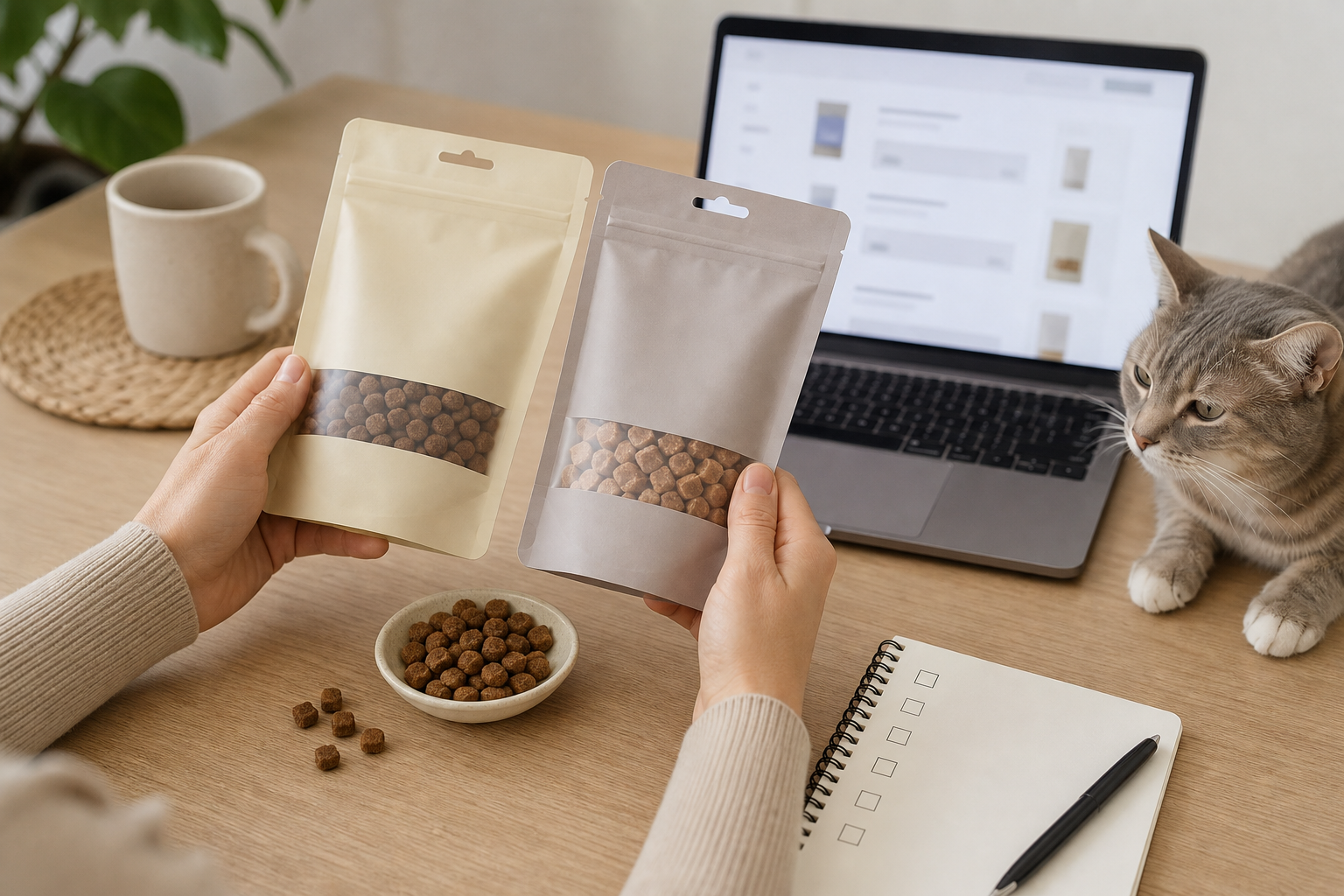
It can be a reasonable buy when the label is clear, the calories fit your cat’s diet, the ingredients make sense for your household, and the package size matches how quickly you will use it. It is especially useful if you need a high-value reward for training, grooming tolerance, carrier practice or enrichment toys.
The better deal is usually the one you can test without waste. Start small, watch your cat’s response, keep treats within a small share of daily calories and avoid stacking multiple “functional” snacks in the same day. If your cat vomits, has diarrhea, refuses food, loses weight, gains weight quickly or has a known health condition, stop treating the purchase like a shopping problem and talk to your vet.
FAQ
Does human-grade mean a cat treat is healthier?
No. It can speak to how the product and ingredients are handled, but it does not automatically mean the treat is lower calorie, complete and balanced, medically helpful or better for your specific cat.
Can I feed human-grade cat treats every day?
Possibly, if your cat tolerates them and they fit within the treat portion of the daily diet. Keep treats to a small share of calories and adjust the main food only with sensible portion tracking or veterinary guidance.
Should I use autoship for cat treats?
Use autoship only after your cat has accepted the treat and you know the use rate. For a new product, a trial size is usually safer than a recurring delivery.
What is the biggest checkout mistake?
Buying a large discounted bundle because the front label sounds premium, then discovering your cat dislikes the texture, the calories are higher than expected or the recurring price is not as attractive after the first order.
Sources
- AAFCO, Standard for “Human Grade” Pet Food.
- AAFCO, Reading Labels.
- FDA, Pet Food.
- WSAVA, Frequently Asked Questions and Myths.
- Trend Hunter, Pets Trends.
- Chewy, Autoship & Save.
- PetSmart Canada, Promotional Terms.
Sources last checked June 23, 2026, 19:34 Europe/Rome.