
#cat hair
#dog hair
#pet cleaning
#pet hair vacuum
#Prime Day pet deals
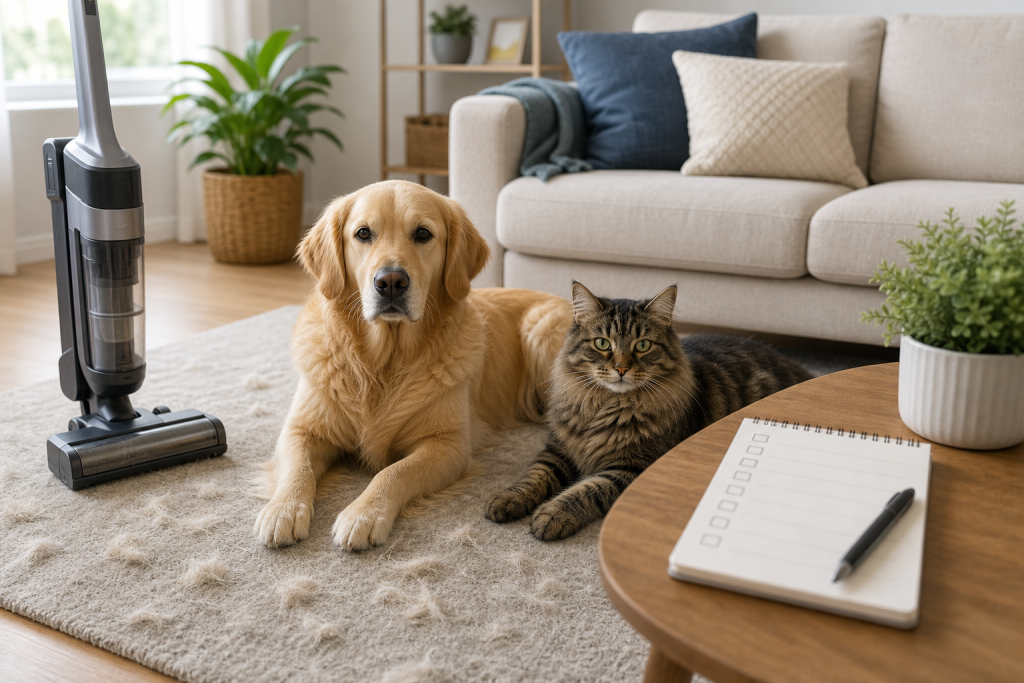
A Prime Day pet-hair vacuum deal is only worth it if the machine fits your floors, furniture and filter budget after the sale ends. A low sale badge can hide weak pet tools, expensive replacement filters, short battery life or a bin that is miserable to empty in a shedding home. Before checkout, compare the total upkeep cost and the pet-hair attachments, not just the headline discount.
Prime Day 2026 is running June 23 through June 26, and Amazon says the event includes millions of member deals across more than 35 categories. Pet owners will see vacuums promoted alongside pet supplies because shedding, litter tracking and dander are everyday problems in dog and cat homes. That makes this a useful time to upgrade, but it also makes it easy to buy the wrong kind of cleaner in a hurry.
Why Pet Owners Are Seeing So Many Vacuum Deals Now
Pet-hair vacuums sit between home cleaning and pet supplies. They are not food, medicine or toys, but they directly affect the cost of living with a shedding dog, a long-haired cat or litter scattered around hard floors.
Current Prime Day coverage includes pet-focused vacuum models and attachments, and Amazon’s own Prime Day guidance encourages shoppers to use price history and alerts before buying. That matters because a vacuum can look discounted while still being a poor fit for your actual mess: stairs, sofa fabric, low-pile rugs, deep carpet, car seats, litter granules or fine dander.
The Checkout Checks That Matter More Than the Sale Badge
Start with your surfaces. A home with mostly hard floors and a short-haired cat may need a different machine than a home with carpeted stairs and a double-coated dog. Look for a motorized pet tool or upholstery tool if most fur collects on sofas, dog beds or car seats.
Check the brush roll before you check out. Anti-tangle or self-cleaning brush designs can be useful in homes with long pet hair, but they are still maintenance parts. If replacement brush rolls, belts or filters are hard to find, the deal may become expensive after the first few months.
For cordless models, read the run-time claim carefully. Maximum run time is often measured on a lower power setting, while pet hair on rugs may require higher suction. If you need to clean multiple rooms, stairs and furniture in one session, battery life and charging time matter as much as suction.
For allergy-sensitive households, look beyond the word “pet.” The U.S. Environmental Protection Agency defines HEPA filters as mechanical filters that can theoretically remove at least 99.97% of airborne particles at 0.3 microns. The American Lung Association also warns that vacuums can stir up dust and pet dander if filtration is weak, so a sealed filtration system and sensible emptying routine are worth checking.
Filter, Bag and Tool Costs Can Beat the Discount
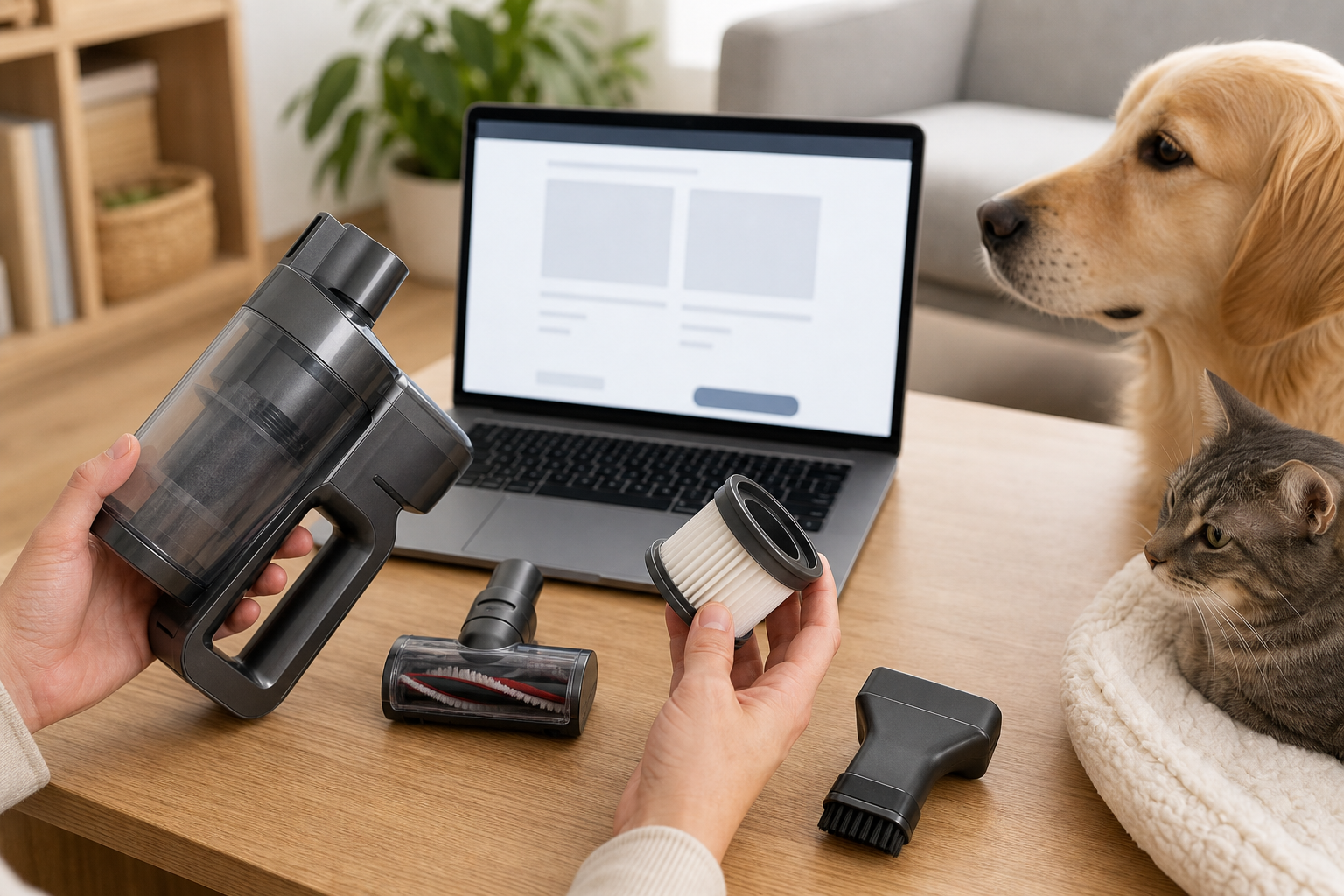
The cheapest vacuum in the cart may not be the cheapest vacuum to own. Before paying, open a second tab and search for the exact model’s filters, bags, brush rolls, batteries and pet tools. If the parts are proprietary, out of stock or sold only in pricey bundles, the sale price is not telling the whole story.
Bagless vacuums can save on bags, but emptying a dust cup can release a cloud of fine debris. That may be annoying in any home and especially frustrating for someone sensitive to dust or dander. Bagged models can cost more over time, but they may be cleaner to empty if your household prioritizes containment.
Also check the warranty language. Pet hair is normal use for a pet vacuum, but clogs, wet messes, litter dust, chewed cords and third-party filters may be handled differently by manufacturers and sellers. A good return window helps only if you test the vacuum on the actual fur, flooring and furniture you bought it for before the deadline passes.
How to Tell Whether a Prime Day Pet Vacuum Deal Is Real
Amazon says Prime members can use price-history information on product pages during Prime Day. Use it. A good-looking markdown is less persuasive if the product was at the same price last month or if a newer version includes the pet tool you would otherwise need to buy separately.
Compare the exact model number, not just the product family. Retailers often sell similar-looking vacuum lines with different attachments, batteries, bin sizes or filtration claims. A “pet” bundle without the motorized upholstery tool may be worse for your sofa than a less flashy bundle that includes it.
Do not rely on a random promo from a deal page unless it applies in the cart and the seller is the manufacturer, Amazon or another seller you are comfortable using. If a third-party listing has a suspiciously low price, check shipping time, return terms, replacement-part availability and whether the warranty still applies.
What to Avoid
Avoid buying a vacuum only because the suction number looks big. Suction helps, but pet homes also need good pickup at the floor head, a brush roll that does not wrap constantly, tools that reach furniture and stairs, and filtration that does not send fine dust back into the room.
Avoid treating a vacuum as an allergy cure. Cleaning can reduce settled hair and debris, but pet dander comes from skin cells and can trigger allergies. If someone in the home has asthma, allergies or worsening symptoms, product shopping is not a substitute for medical advice.
Avoid wet-dry or mop vacuums for pet accidents unless the manual clearly supports that use. Some machines are designed for ordinary wet floor cleaning, not urine, feces, vomit or litter slurry. Using the wrong machine can create odor, sanitation and warranty problems.
Quick Answers
Is a pet vacuum always better than a regular vacuum?
No. A “pet” label is useful only if the model has the tools and filtration your home needs. A regular vacuum with strong upholstery tools and easy-to-buy filters may beat a pet-branded model with weak parts support.
Should I buy cordless or corded for pet hair?
Choose cordless for quick daily cleanups and stairs if the battery is strong enough. Choose corded if you need longer sessions, heavier carpet cleaning or less dependence on battery replacement.
Is HEPA worth paying extra for?
It can be worth it in homes concerned about fine particles, but the whole vacuum design matters. A HEPA filter is less helpful if the machine is not well sealed or if emptying the bin sends dust back into the air.
What should I test as soon as the vacuum arrives?
Test the main floor head on your rugs and hard floors, the pet tool on your sofa or pet bed, the bin or bag emptying process, the noise level around your pet, and whether hair wraps around the brush after a normal cleaning session.
Sources
Last checked: 2026-06-23 22:33 Europe/Rome.
- Amazon, Prime Day 2026 dates and shopping tools
- Amazon Prime Day page
- Amazon Pet Days 2026 pet category examples
- Popular Mechanics, Prime Day vacuum deal coverage for pet owners
- WIRED, Prime Day vacuum deals coverage
- U.S. EPA, What is a HEPA filter?
- American Lung Association, vacuuming and indoor air quality
- American Lung Association, pet dander