
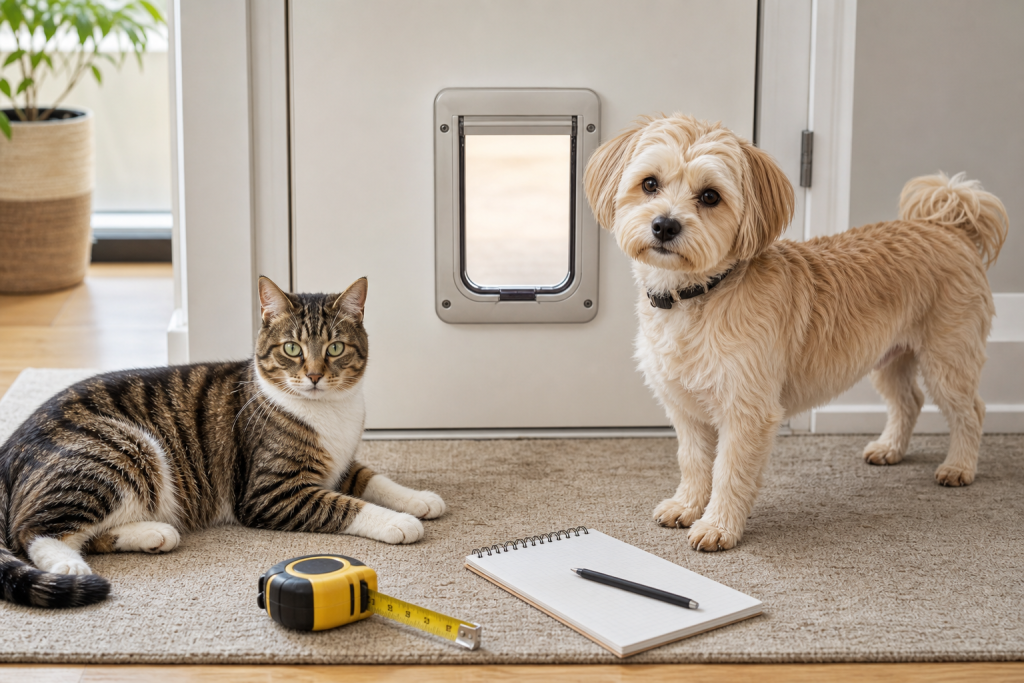
#microchip pet door
#pet microchip
#pet tech
#smart pet door
A microchip pet door deal can fail after installation if the reader does not recognize your pet’s chip, the opening is the wrong size, or the return window closes once the door has been cut. The safest move is to test the reader with your cat or small dog before drilling, verify the exact chip format and check whether batteries, adapters, collar tags and app features are included. A cheap flap is not cheap if it leaves you with a damaged door and a pet that still cannot use it.
Why this matters now
Smart pet access products are part of the current pet-tech shopping wave, and summer is a common time for owners to rethink cat doors, patio access and keeping neighborhood animals out of the house. The problem is that a microchip door sits between pet tech and home improvement. You are not just buying a gadget, you may be cutting a door, wall or glass panel.
That makes the checkout details more important than the sale badge. PetSafe says its microchip cat door works with 15-digit microchip numbers and reads FDX-B, 977 and 985 chips. Sure Petcare says its microchip doors work with common identification microchips and offers a compatibility checker. Those claims are useful, but they are not a reason to skip a live test with your actual pet before installation.
The chip check to do before checkout
Start by finding your pet’s microchip number from your vet, shelter paperwork or registry account. Do not assume “microchip compatible” means every door reads every chip in every situation. Some doors are designed around 15-digit formats, while others advertise broader compatibility or support RFID collar tags for pets without a readable chip.
Before you cut anything, confirm three things:
- The door model lists your pet’s chip format or gives you a compatibility checker.
- The reader can learn your pet’s chip while the pet is standing naturally, not only when you hold the pet in a perfect position.
- There is a collar-tag backup if your pet’s chip is not compatible or is hard for the door to read.
This is also where owners often misunderstand microchips. The AVMA explains that pet microchips contain identification numbers and are not GPS trackers. A microchip door reads an ID signal at close range. It will not locate a missing pet, map outdoor movement or replace a GPS tracker if escape prevention is the real concern.
The installation costs that hide behind the flap
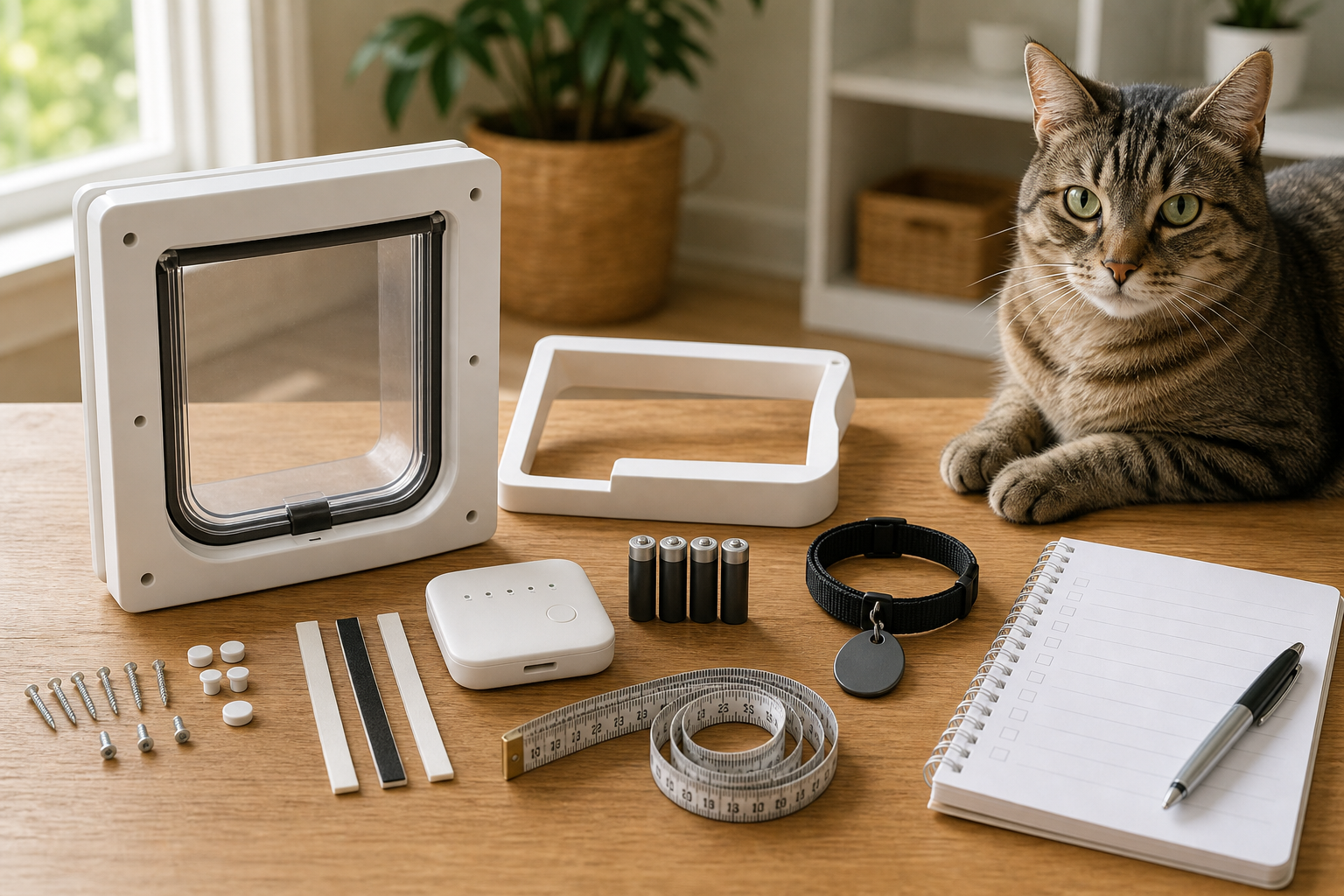
The product price may not include the full cost of the job. Look for tunnel extenders, mounting adapters, batteries, replacement flaps, sealing parts and any hub required for app-connected features. If the door is going into glass, a rental property, a thick wall or an insulated exterior door, the cheap online price can be the smallest part of the decision.
Measure the pet, not just the door. Check shoulder height, body width and whether the animal will step through comfortably without crouching or scraping. Large cats, senior cats, small dogs and nervous pets may need a larger opening than the product photos suggest. If two pets will use the same flap, size for the bigger pet and make sure the access rules still work for the smaller one.
Deal and coupon checks before paying
A microchip door is a poor place to chase the lowest price blindly. Before using a coupon, confirm whether the discount applies to the exact model, whether accessories are excluded and whether the retailer handles returns after a test fit. PetSafe’s direct return policy says returns must be within 45 days of purchase and in original condition and packaging, with shipping charges non-refundable. A marketplace seller or third-party retailer may set different terms.
Before checkout, compare the final cart on these points:
- Door, wall or glass adapter included or sold separately.
- Batteries included or required separately.
- RFID collar tag included, optional or sold in packs.
- Warranty length and whether registration is required.
- Return policy after opening, test fitting or partial installation.
- App, hub or subscription requirement for curfew schedules or remote controls.
What to avoid
Avoid cutting the permanent opening before the door has learned your pet’s chip. Avoid vague listings that say “universal” without naming supported chip formats or offering a backup tag. Avoid buying a used app-connected model unless the seller can prove the account can be reset and the manufacturer still supports the device.
Also avoid treating selective entry as a complete safety system. Many microchip cat doors control which animal can come in, but product designs vary on exit control, manual locks and curfew modes. If your goal is to keep one pet indoors, stop a determined animal from leaving, or manage a medical restriction, read the manual and ask your vet or installer whether the setup fits that pet’s routine.
Smart features need a support check
If the model connects to an app, treat it like any other connected device. The FTC advises owners of internet-connected devices to change default credentials, use available security features and keep firmware and apps updated. For a pet door, also ask what happens if the app is discontinued, the hub is unavailable, your Wi-Fi changes or the company stops security updates.
You do not need an app for every household. A simple microchip door with local memory may be enough if you only want to keep other animals out. App scheduling can be useful, but it is worth paying for only if the support policy, privacy settings and replacement parts are clear before checkout.
Quick answers
Can a microchip pet door work without my pet being microchipped?
Some models support RFID collar tags, but you need to verify that the tag is included or available separately. Do not assume a tag comes in the box.
Should I buy the door before my pet is microchipped?
It is better to know the chip number and format first. If your pet is not microchipped yet, ask your vet which chip format they use and whether it is compatible with the model you are considering.
Is a microchip door a GPS tracker?
No. A pet microchip is an ID device, not a location tracker. If you need live location, compare GPS or radio-frequency trackers separately and check their battery, coverage and subscription terms.
What is the biggest checkout mistake?
Buying on price, then testing only after the hole is cut. Test chip reading, fit, lock behavior and return terms first.
Sources
Sources last checked: July 6, 2026, 07:33 Europe/Rome.
- Sure Petcare, microchip pet door range and compatibility checker
- Sure Petcare, SureFlap Microchip Cat Door features
- PetSafe Support, programming a cat’s microchip to the PetSafe Microchip Cat Door
- PetSafe Support, setup and pre-installation checks
- PetSafe, return and warranty information
- American Veterinary Medical Association, microchipping FAQ
- Federal Trade Commission, securing internet-connected devices at home