
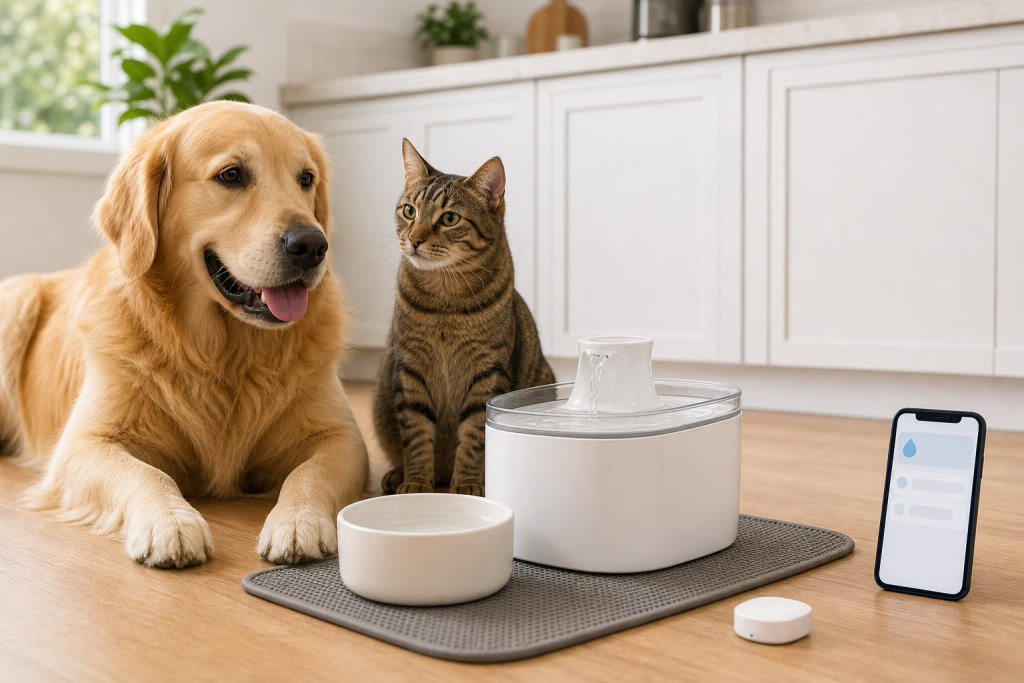
#pet fountains
#pet tech
#smart home pets
#smart water leak sensor
#water leak detector
A smart water leak sensor can be a useful pet-owner deal, but only if it can actually alert you before a fountain, bowl, feeder area or laundry-room pet station soaks the floor. The mistake is buying the cheapest puck without checking app support, hub requirements, Wi-Fi compatibility, batteries and where the sensor can sit around pets without becoming a chew toy.
This is a timely pet-tech checkout issue because more shoppers are using automatic fountains, gravity waterers and smart-home alerts while summer travel and Prime Day-style sales push small connected gadgets into carts. A leak sensor is not really a pet product in the cute sense. It is a home sensor that can protect the spot where your pet drinks, eats or splashes, so the boring setup details matter more than the sale badge.
Why Pet Owners Are Looking At Leak Sensors Now
Pet water fountains and large bowls solve one problem, keeping water available, but they can create another if a pump clogs, a bowl gets knocked, a mat overflows or a connector starts dripping while you are out. A basic audible leak alarm may help if someone is home. A connected sensor is attractive because it can send an app notification, email or smart-home alert.
The catch is that connected sensors depend on software, authentication and sometimes a separate gateway. Honeywell Home/Resideo posted a March 2026 notice that certain legacy Wi-Fi Water Leak and Freeze Detectors can no longer be installed or authenticated if they were not online by January 12, 2026, because of expired security certificates. Resideo says already connected units may keep working, and that this is not a recall, but it is a sharp reminder for shoppers buying discounted older inventory from marketplaces.
The Checkout Checks That Matter
Start with the exact model number. If the listing says “open box,” “legacy,” “new old stock” or “older app version,” search the manufacturer’s support site before buying. A sensor that still works as a local alarm may lose the connected alerts you expected if it cannot be registered.
Check whether the kit includes every piece needed for smart alerts. Some leak sensors need a gateway or hub before the app features work. Govee’s current water leak detector page, for example, describes a gateway plus sensor setup for intelligent control functions. That does not make the product bad. It means a single replacement sensor may not be a complete deal for a first-time buyer.
Confirm Wi-Fi requirements. Many small smart-home sensors still depend on 2.4 GHz Wi-Fi during setup, even in homes with newer mesh routers. If the product needs a hub, check where the hub must sit, how far the sensor can be from it and whether your pet room, laundry room or kitchen corner is within range.
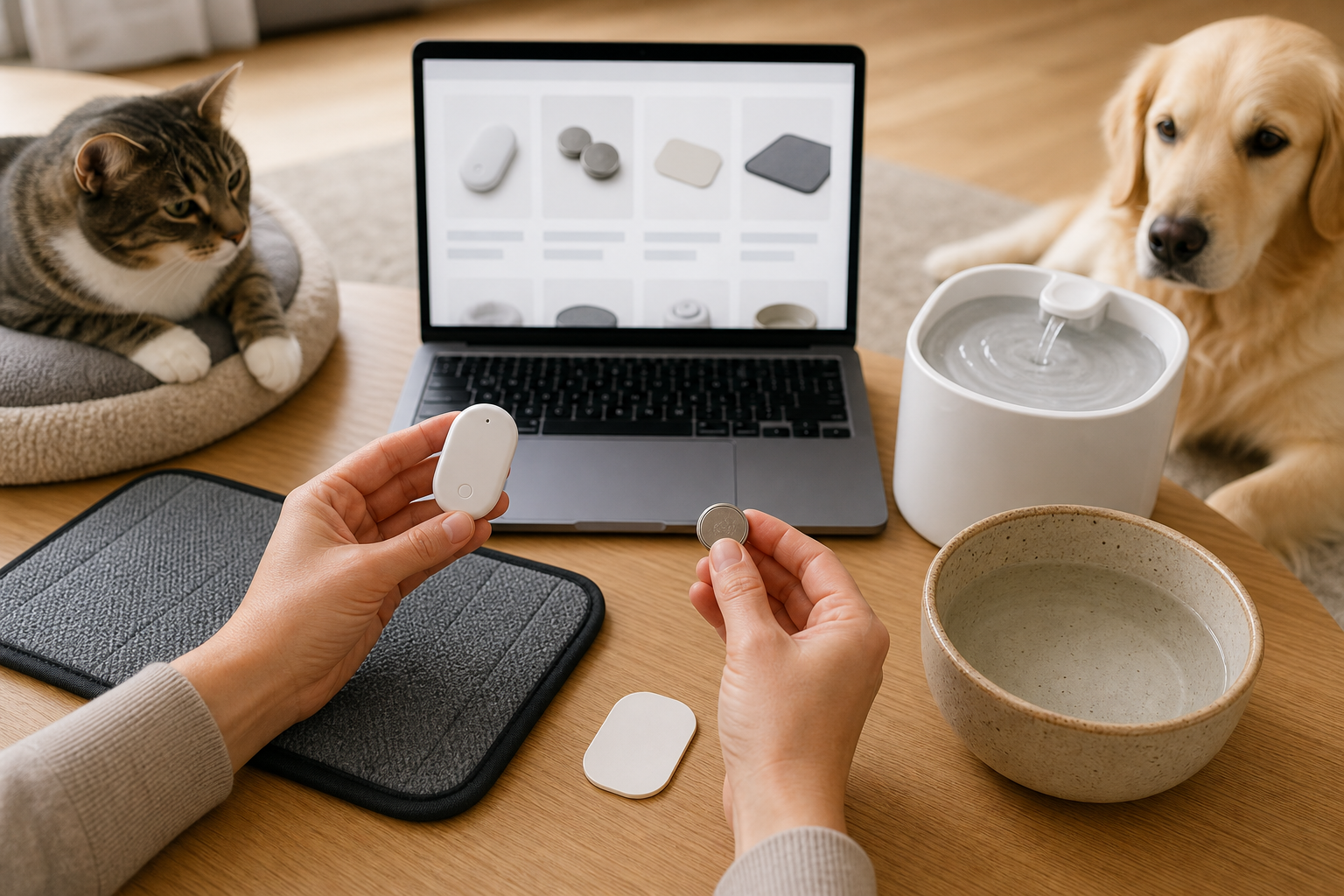
Look at the battery type before you click. Coin cells and specialty batteries can turn a cheap multi-pack into a recurring cost, especially if the sensor sits in a damp area and sends frequent low-battery alerts. If you have a dog or cat that chews, paws at floor objects or plays with anything new, choose a placement that keeps the sensor functional without making it tempting.
Where A Sensor Helps Around Pets
- Under or beside an automatic water fountain, especially if the reservoir is large.
- Near a gravity waterer, raised feeding station or mat where spills run under cabinets.
- By a washing machine, utility sink or laundry area used for pet towels, bowls and grooming gear.
- Near a basement pet area, but not where the sensor can be buried under bedding or litter tracking.
Do not assume one sensor covers the whole room. A leak detector usually needs water to reach its probes or sensing cable. If your pet fountain is on a sloped floor or on a thick mat that traps moisture, test placement with a small amount of clean water before trusting the alert.
Deal And Coupon Checks Before Paying
A leak sensor deal is only useful if the final cart includes the pieces you need. Before using a coupon, compare the full kit against the replacement sensor listing. Check whether the sale price excludes the hub, sensing cable, adhesive pads, mounting accessories or batteries.
Be careful with marketplace listings that mix generations under one review page. Match the product image, model number and app name against the manufacturer’s current support information. If the listing promises app alerts, make sure the current app still supports that exact model.
Return terms matter because smart-home setup problems often show up after unboxing. Chewy lists a Tech & Smart Home shopping area for dog and cat supplies, while return policies vary by retailer, seller and product condition. Read the actual seller terms before assuming an opened smart device can go back easily.
What To Avoid
Avoid buying a connected leak sensor only because it is cheap. The lower price may reflect discontinued stock, missing accessories or an older app ecosystem. Avoid placing sensors inside a water bowl, under a chew-prone mat or anywhere your pet can mouth the battery door.
Also avoid treating a leak sensor as a substitute for basic water-station maintenance. FDA pet food safety guidance tells owners to wash bowls and utensils after each use and to throw out spoiled food safely. That same routine-minded approach applies here: clean the fountain, check the pump, wash the mat, and test the sensor alert on a schedule.
Quick Answers
Is a smart leak sensor worth it for a pet fountain?
It can be worth it if the fountain holds enough water to damage flooring or cabinets and the sensor can reliably alert you. It is less useful if the sensor cannot sit where leaks actually travel.
Should I buy a used or legacy sensor?
Only after checking the exact model on the manufacturer’s support site. Resideo’s 2026 notice shows why a never-connected older unit can lose connected setup even if it still has a local alarm.
Does every sensor need a hub?
No. Some connect directly to Wi-Fi, while others use a gateway or hub. The listing should make this clear, but shoppers should verify it before buying a discounted multi-pack.
Can a leak sensor protect my pet?
It is mainly a home-alert tool. It can help you notice spilled water sooner, but it does not replace clean bowls, fresh water, regular fountain maintenance, safe cord placement or veterinary advice if your pet’s drinking habits suddenly change.
Sources
- Honeywell Home/Resideo, legacy Wi-Fi Water Leak and Freeze Detector installation support notice
- Govee, GoveeLife Smart Water Leak Detector product information
- FTC Consumer Advice, how long smart devices get software updates
- FTC, smart products software-update disclosure report
- Resideo, smart water leak detection solutions
- FDA, Tips for Safe Handling of Pet Food and Treats
- Chewy, return policy and pet supply shopping categories
Sources last checked June 25, 2026, 16:34 Europe/Rome.