
#pet heat safety
#pet tech deals
#RV pets
#smart pet temperature monitor
#summer pet travel
A smart pet temperature monitor can be a useful backup, but it is not a license to leave a dog or cat in a risky space. The deal fails when the device needs a subscription, signal, battery power or setup time that the owner did not notice before checkout. If you cannot reach your pet quickly when an alert arrives, the gadget is only reporting a problem you may not be able to fix.
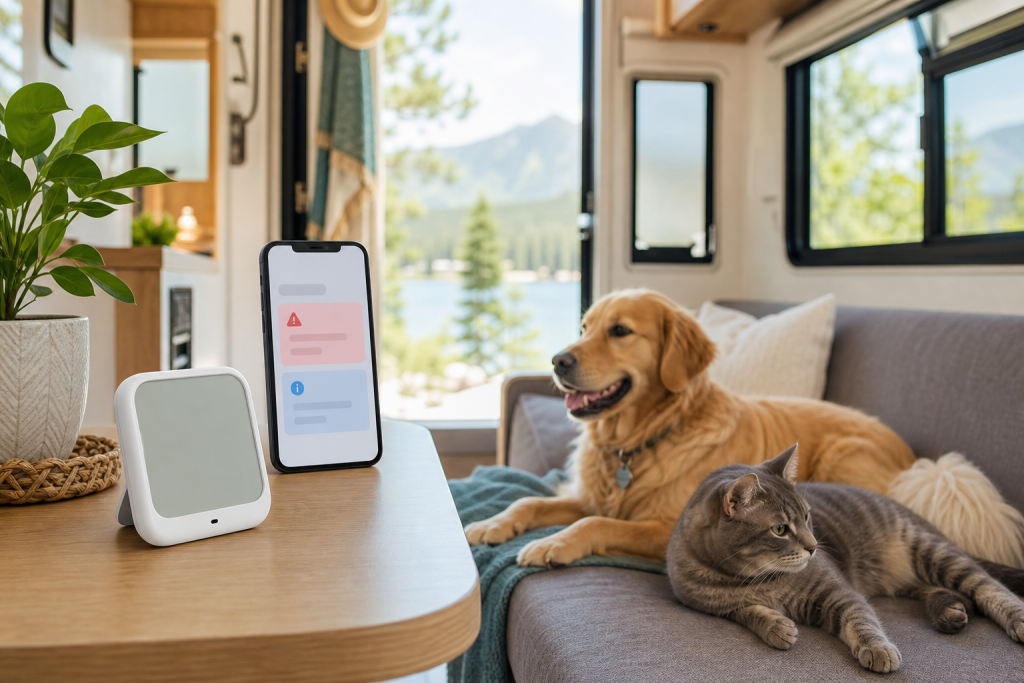
That matters more in early summer, when pet owners are shopping for RV gear, road-trip supplies, cooling products and app-connected monitors. The CDC tells owners never to leave pets in parked cars, and the AVMA warns that a vehicle can heat dangerously even on a mild day. A monitor may help in an RV, camper, pet room or temporary setup, but only when it is paired with shade, ventilation, working cooling, fresh water, a charged phone and a real person who can act.
Why This Deal Looks Better Than It Is
Temperature monitors are easy to market because the promise is simple: the device watches the space and sends an alert if it gets too hot, too cold, too humid or loses power. Some pet-focused models use cellular service instead of Wi-Fi, which can be helpful in an RV or campsite where home internet is not available. Other smart thermometers are cheaper, but may need a Wi-Fi gateway, Bluetooth range, app permissions or a nearby phone to be useful away from home.
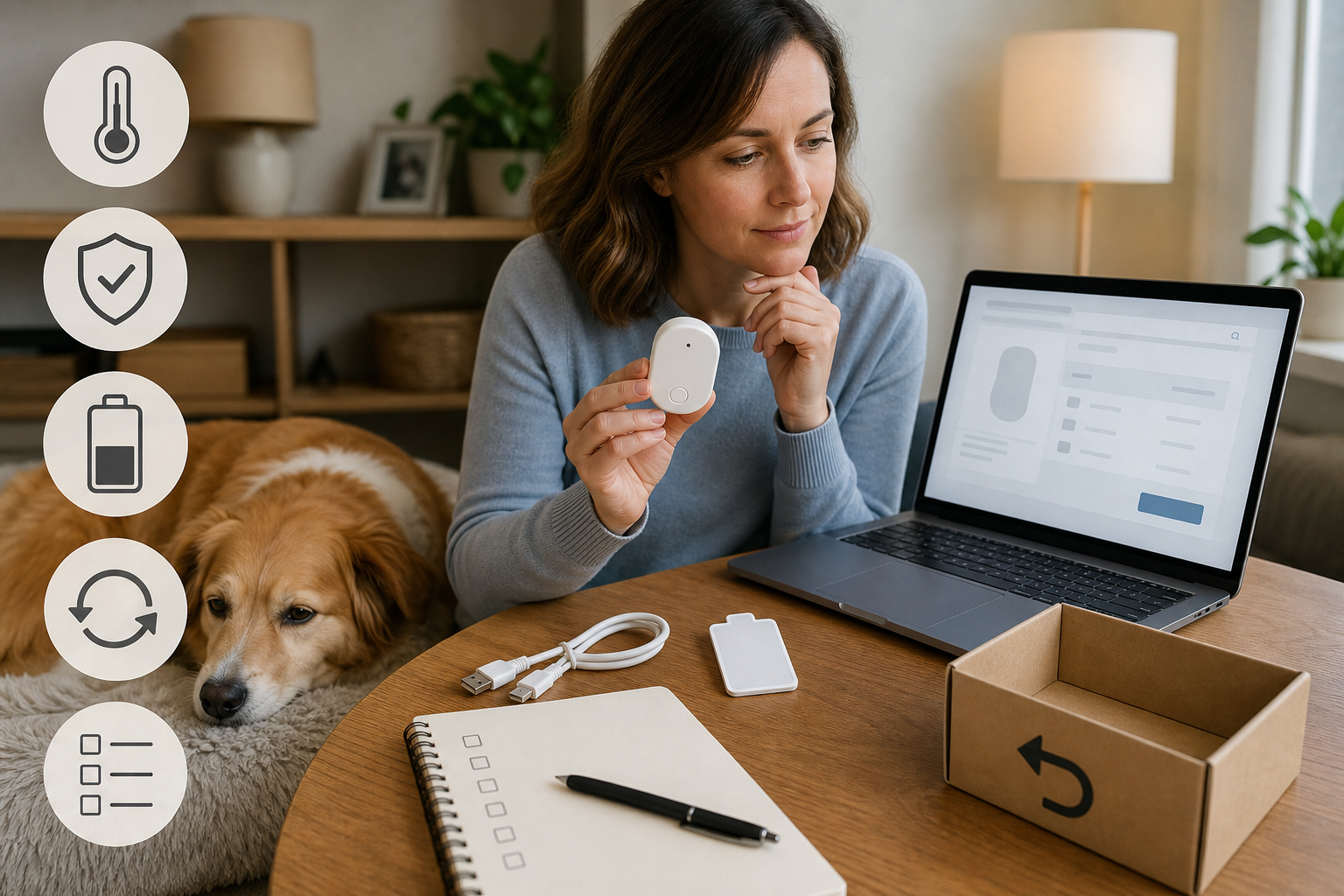
The hidden cost is not always the device. It can be the network plan, battery replacement, charging schedule, cellular activation delay, return deadline or the fact that alerts depend on your phone receiving notifications. Before you compare sale prices, compare the whole monitoring chain.
The Checkout Checks That Matter Most
Start with the connection type. A Bluetooth-only thermometer may be fine for checking a crate room from nearby, but it usually is not enough if you need remote alerts while you are away. A Wi-Fi model can work well at home, but may fail if the router loses power, the campsite Wi-Fi changes, or the device only supports a specific network setup. A cellular model can avoid Wi-Fi dependence, but usually brings a monthly, yearly or seasonal service plan.
Next, check when the service activates. Waggle, one well-known pet temperature monitor brand, says its pet monitor needs an active 4G subscription for real-time alerts, and its help pages say activation can take 24 to 48 hours after subscription purchase. That is not a criticism of the brand. It is a reminder that a monitor bought the night before a hot-weather trip may not be ready when you expect it to be.
Then check how alerts are delivered. Look for text, email, app push notifications and whether more than one person can receive them. A solo alert sent to a phone on silent mode is a weak safety plan. If your partner, campground neighbor or pet sitter can also receive alerts, the device is more useful.
Finally, check the backup plan. A good product page should make it clear what happens during power loss, low battery, lost cellular signal, app logout or expired service. If those answers are vague, the discount is not the main issue.
When a Temperature Monitor Actually Makes Sense
The strongest use case is not a quick errand with a pet in a parked car. It is a controlled space where you already have a cooling or heating system, you can legally and practically leave the pet, and you can return fast if something changes. RV owners, full-time travelers and people who keep pets in a climate-controlled room may benefit most.
Even then, set the threshold conservatively. Do not wait for a crisis number. Heat risk depends on humidity, airflow, coat type, age, breed, health, body condition and whether the pet is confined. Short-nosed dogs and cats, senior pets, young animals, overweight pets and pets with health problems can be more vulnerable. Ask your veterinarian how cautious you should be for your own pet before relying on a gadget during warm weather.
Deal And Coupon Checks Before Paying
Do not judge the deal from the device price alone. Add the first service term, renewal price, required accessories, replacement battery or charging accessories, shipping, taxes and any warranty extension. If the checkout bundles a monitor with a network plan, read when that plan starts and whether it renews automatically.
Return terms also matter because pet tech can fail for boring reasons: poor signal where you camp, app incompatibility, notification issues, battery behavior or a setup process that does not fit your trip. On the Waggle product page checked for this article, the brand showed a 21-day return and a 1-year warranty for its pet monitor. Retailers and manufacturers can change terms, so verify the return window, who pays return shipping and whether an activated subscription is refundable before you order.
If you are buying through a general retailer, check whether the item is sold by the retailer or a third-party seller. A familiar marketplace return window does not always mean the subscription, app account or manufacturer plan is refundable.
What To Avoid
Avoid any listing that implies a monitor makes a hot car safe. The CDC says a cracked window is not enough, and temperatures can rise quickly even in cool weather. The safer shopping decision is to leave the pet at home, bring another person who can stay with the pet in a safe environment, or choose pet-friendly stops where the animal can come with you.
Avoid devices that hide the service requirement until checkout. Also avoid app-connected monitors without a clear software-support policy. The FTC warned in 2024 that many smart-product pages did not clearly disclose how long software updates would continue. For a pet-safety device, that matters because the app, cloud service and notification system are part of the product you are buying.
Do not use a temperature alert as medical guidance. If your dog or cat is panting heavily, weak, vomiting, collapsing, disoriented or otherwise acting abnormally in heat, contact a veterinarian or emergency clinic. The purchase decision is whether a device helps you prevent a dangerous situation, not whether it tells you how to treat one.
Quick Answers
Is a cellular pet temperature monitor better than Wi-Fi?
It depends on where you use it. Cellular can be better for RV travel or places without reliable Wi-Fi, but it usually requires a paid service plan. Wi-Fi can be cheaper at home, but only if the router, power and internet connection stay reliable.
Can I use a cheap smart thermometer instead?
Sometimes, especially for home room monitoring. Check whether it sends remote alerts without opening the app, whether it needs a hub, whether it works after a power outage and whether more than one person can receive alerts.
Should I buy one for a parked car?
No monitor should be treated as permission to leave a pet in a parked car. The safer plan is not to put the pet in that situation.
What is the biggest checkout mistake?
Buying the device without confirming the subscription, activation timing, alert method and return rules. A monitor that cannot alert you in time is not a bargain.
Sources
Last checked: 2026-06-05 04:32 CEST, Europe/Rome.
- CDC, Heat and Pets.
- American Veterinary Medical Association, Pet safety in vehicles.
- American Red Cross, Pet Heat Safety.
- FTC, Smart products surveyed fail to provide consumers with information on software updates.
- Waggle, Pet Monitor product information.
- Waggle Support, Network Plans and FAQ.