
#automatic litter box
#pet tech
#pet tech deals
#self-cleaning litter box
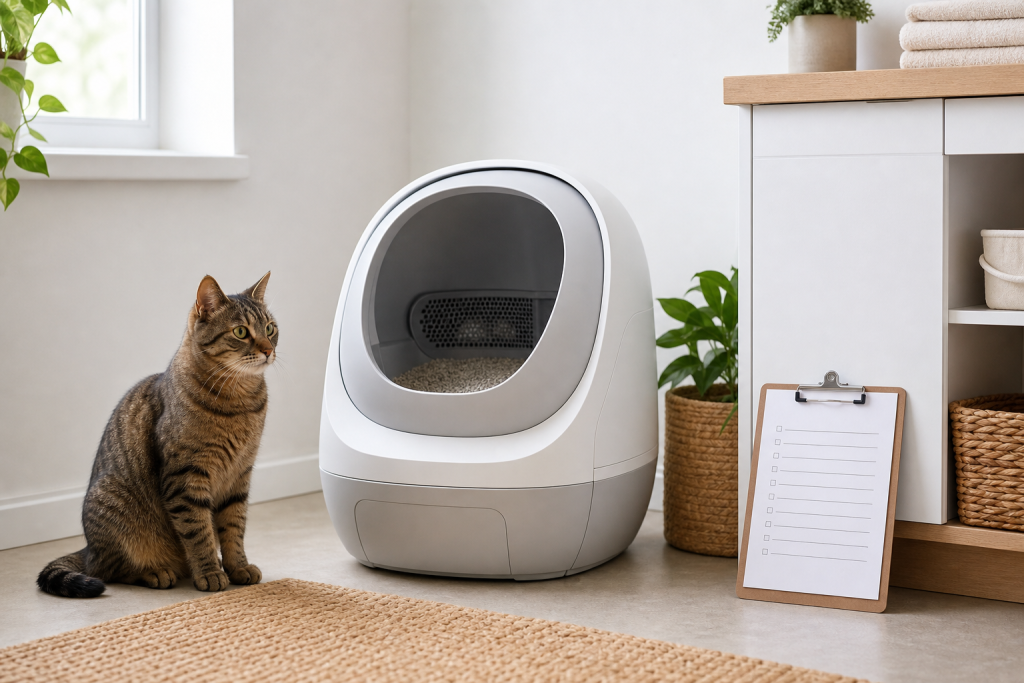
A self-cleaning litter box deal is only worth considering if the box is safe for your cat’s size, has clear cat-detection safeguards and can be returned after a real home trial. The discount should not be the deciding factor, because these boxes add moving parts, sensors, apps, liners and replacement supplies to a routine your cat already has to trust. Before you let the box run automatically, check the manual, test the safety stop and keep a normal backup box available.
Automatic litter boxes are being pushed hard in pet-tech sales right now. Amazon’s 2026 Pet Days promotion highlighted pet tech and automatic litter boxes, while Chewy’s self-cleaning litter box listings show many app-connected, open-top and rotating models at very different price points and return terms. That gives cat owners more choice, but it also makes the checkout page a bad place to learn what the product actually needs to work safely.
Why The Safety Claim Matters More Than The Discount
Most reputable automatic litter boxes describe some form of cat detection, delay timer or anti-pinch protection. Whisker’s Litter-Robot 4 manual, for example, describes optical and weight sensors that can detect a cat trying to enter during a cycle. PETKIT’s automatic litter box comparison page lists different models with different sensor counts and anti-pinch structures, while PetSafe’s SmartSpin product page says the box tracks usage and weight through an app.
Those details are useful, but they are not interchangeable. A product listing that says “safety sensors” is less useful than a manual that explains when the drum rotates, how the box detects a cat, what happens if the power or app fails and how to pause cleaning while your cat is adjusting. If the seller does not provide a real manual, clear support contact and plain return policy before purchase, treat the savings as incomplete.
The Checkout Checklist Before You Buy
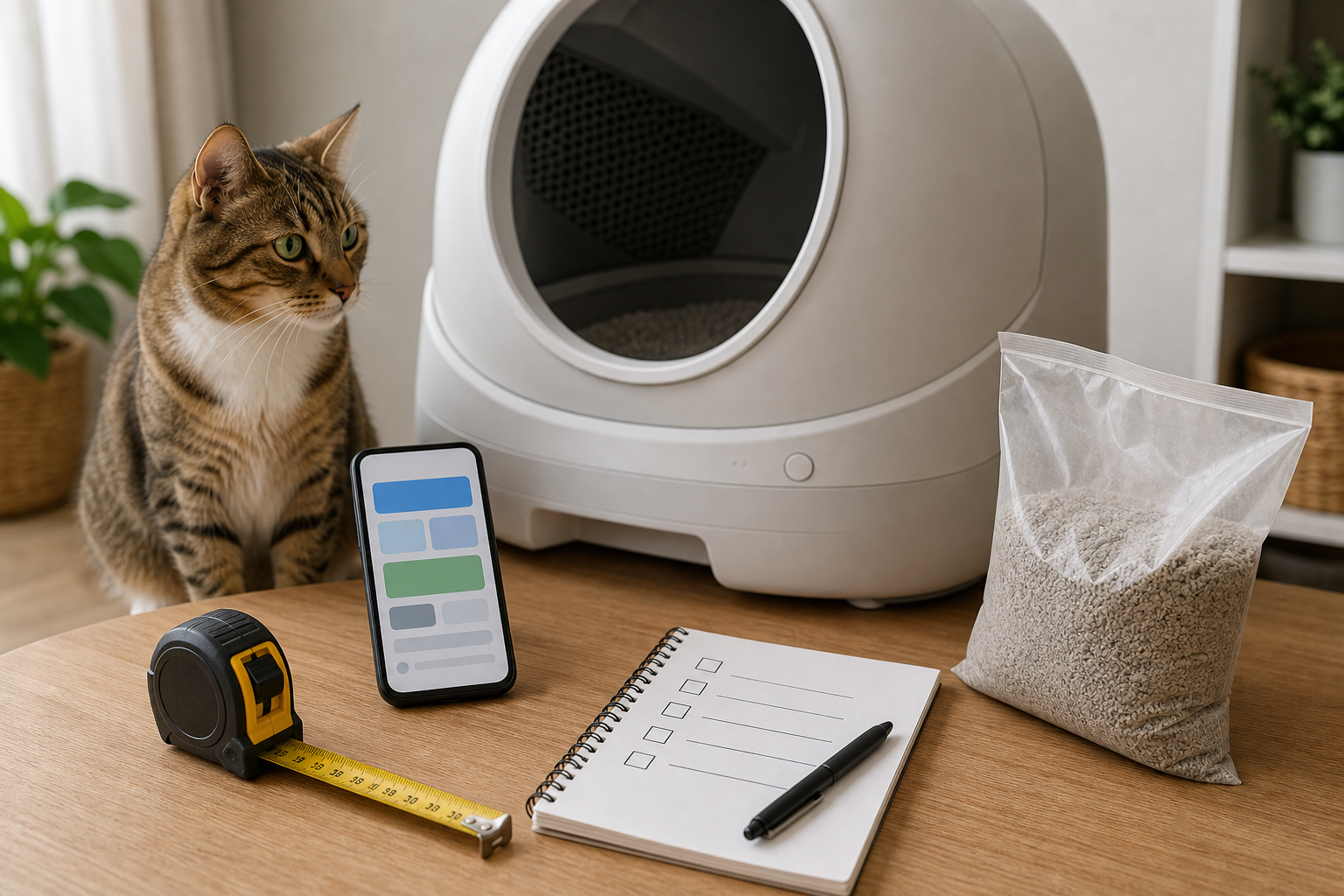
Start with your cat, not the gadget. Check the entry height, interior room and weight range against your cat’s actual body size, age and mobility. Senior cats, kittens, very large cats and cats with arthritis may need a lower entry or a normal open box, even if the smart model looks easier for you.
Then check the cleaning design. Is it open-top, rake-style or rotating? Does the opening remain accessible during movement? How long is the delay after use? Can you turn automatic cycling off while your cat learns it? A good deal should make those answers easy to find before you plug the box in.
Also verify the consumables. Some boxes work only with certain litter types, bag sizes, deodorizer cartridges, liners or waste-drawer parts. A lower sale price can disappear if the box needs proprietary refills, expensive filters or replacement parts that are excluded from the coupon. If you cannot find parts from the manufacturer or a major retailer, the box may be hard to maintain after the return window closes.
App Features Can Add Cost And Privacy Tradeoffs
Smart litter boxes often promise weight tracking, usage alerts, full-bin notifications and remote cleaning controls. Those features can be helpful for noticing changes, but they are not a substitute for veterinary advice if your cat’s litter habits change. They also may depend on Wi-Fi, account setup, app support, cloud storage or optional subscriptions.
Before paying, look for the app’s current store reviews, the privacy policy, whether multiple household members can use the app and whether the box still performs basic cleaning if the app is down. If a model includes a camera, be especially careful. Check whether video is stored locally or in the cloud, whether a paid plan unlocks playback and whether you can disable recording without losing basic litter-box functions.
Do Not Replace Every Box On Day One
Cat behavior sources are consistent on one point: litter box setup still matters. AAHA’s feline life stage guidance says the common rule is one litter box for each cat plus one extra, placed where cats can access them. Cornell’s Feline Health Center recommends daily removal of clumps and feces from clumping litter and regular cleaning so boxes stay dry and clean.
That means a robot box should not be treated as a magic replacement for every ordinary tray, especially in a multi-cat home. Keep at least one familiar box available while your cat adjusts. Watch whether the cat enters calmly, avoids the room, starts eliminating elsewhere or seems startled by the noise. If your cat suddenly stops using the box, ask your veterinarian, because litter-box changes can be behavioral, environmental or medical.
Deal And Coupon Checks That Actually Matter
For a large pet-tech purchase, the best deal is usually the one that protects the trial period. Check whether the coupon applies to the main unit only, whether bundles include enough bags or filters to test the box and whether return shipping is free if your cat refuses it. Chewy’s category listings may show delivery and return details by item, while marketplace listings can vary by seller.
Use the sale price as one input, not the whole decision. Compare the final cart total after shipping, warranty length, replacement parts, refill costs and any app plan you realistically need. If a third-party seller has a much lower price than the manufacturer’s site, verify the exact model number, warranty support and recall status through CPSC, SaferProducts.gov or the manufacturer before checkout.
What To Avoid
- A listing that says “safe” but does not link to a manual or explain the sensors.
- A rotating box with no clear way to pause automatic cleaning during the adjustment period.
- A model that is too small for your cat to turn around comfortably.
- A bargain bundle that hides expensive proprietary bags, filters, litter or deodorizer refills.
- A camera litter box that requires cloud video or a subscription you did not plan to buy.
- A marketplace seller with unclear warranty coverage, vague return terms or mismatched product photos.
Quick Answers
Are self-cleaning litter boxes safe for every cat?
No. Safety depends on the design, sensors, cat size, placement and how your cat reacts. Kittens, senior cats, nervous cats and cats with mobility issues may need a simpler open box.
Should I run automatic cleaning immediately?
Usually, start slowly. Let your cat inspect the box while it is off, keep the old box available and use the manufacturer’s setup guidance before relying on automatic cycles.
Is an app-connected litter box worth paying extra for?
It can be useful if you want usage alerts and maintenance reminders, but only if the app is reliable, privacy terms are acceptable and the box still works for basic cleaning without surprise fees.
Sources
Sources last checked: July 2, 2026, 10:34 Europe/Rome.
- Amazon, Amazon Pet Days 2026 pet deals
- Chewy, automatic self-cleaning cat litter boxes category
- Whisker, Litter-Robot 4 instruction manual
- Whisker, Litter-Robot 4 sensors and functions
- PETKIT, automatic self-cleaning litter box comparison
- PetSafe, ScoopFree SmartSpin self-cleaning litter box
- U.S. Consumer Product Safety Commission, recalls and product safety warnings
- SaferProducts.gov, product safety report and search portal
- AAHA, general litter box considerations
- Cornell Feline Health Center, house soiling and litter box care