
#dog treats
#freeze-dried dog treats
#pet food deals
#pet treat safety
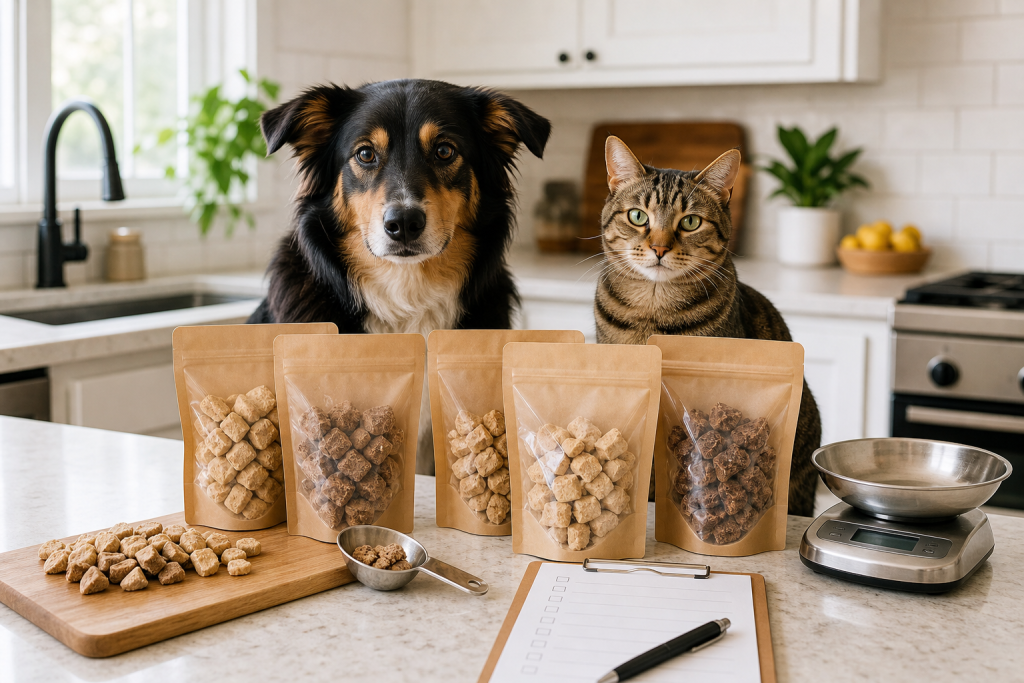
A freeze-dried dog treat deal can look bigger than it is because the bags are light, the pieces are airy and the useful comparison is usually price per ounce, not the sale badge on the front. Before you stock up, check whether the product is a treat, topper or complete food, whether it uses raw animal protein, and how many calories your dog will get from each training session. The cheapest bag is not a bargain if it replaces balanced food, needs stricter handling than you expected or comes from a seller you cannot trace.
Freeze-dried treats are easy to love at checkout. They are shelf-stable, high-value for training and often marketed with short ingredient lists. They are also one of the pet aisles where small bags, bold protein claims and raw-style marketing can make the true cost and handling requirements easy to miss.
Why this matters now
Freeze-dried dog treats are visible in current online shopping signals, including Amazon dog treat bestseller and new-release pages. At the same time, official food-safety sources still treat some freeze-dried raw treats as raw pet products, not as ordinary cooked biscuits. That combination matters for summer shoppers who are buying training treats, travel snacks and deal bundles in larger quantities.
The point is not that every freeze-dried treat is unsafe or overpriced. The point is that this category rewards careful label reading. A small pouch can be useful, but only if you know what you are paying for, how to handle it and how it fits into your pet’s normal diet.
The checkout math most shoppers skip
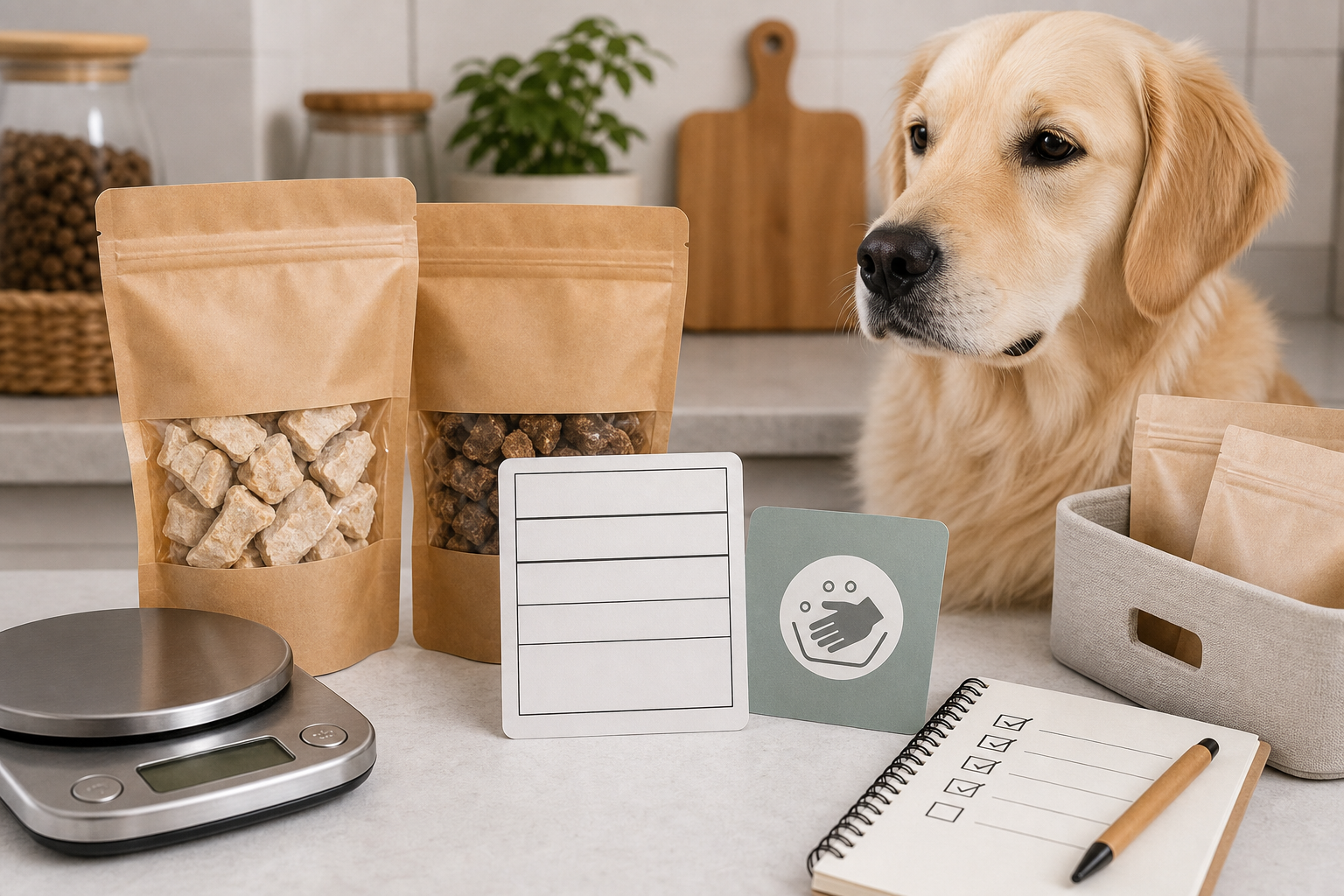
Start with net weight. Freeze-dried treats can feel bulky because the moisture has been removed, but the bag may still contain only a few ounces. Divide the cart price by the ounces in the bag, then compare that number with other treats your pet actually tolerates.
Next, check the feeding directions and calorie statement. AAFCO says treats and snacks are usually not intended to provide a complete and balanced diet, and treats that take up too much of a pet’s daily intake can add unnecessary calories. If you use tiny pieces for training, that may be manageable. If you pour a handful over every meal, it can quietly change the diet.
Finally, look at the form. Whole chunks, brittle pieces, powdery crumbs and large organ-meat cubes do not serve the same purpose. Training treats should break cleanly into small rewards. Meal toppers should be measured. Chewy or oversized pieces need supervision, especially for fast eaters.
Read the label before you trust the protein claim
“Single ingredient” can be useful for dogs with simple taste preferences, but it is not the same thing as complete nutrition. FDA explains that a food labeled complete and balanced is intended to be nutritionally adequate as a sole diet, while treats, snacks and supplements typically are not. If the product says “treat” or “snack,” treat it as an occasional reward unless your veterinarian has advised otherwise.
Also check whether the product is raw, freeze-dried raw, cooked before drying or treated by another process. CDC says raw pet foods can include freeze-dried forms and that freeze-drying raw animal protein reduces germs but does not kill all of them. That does not mean every bag has a problem, but it does mean storage, handwashing and bowl cleanup are part of the purchase decision.
Safety checks before you add three bags
- Check the recall pages first. FDA recall records include a 2025 recall involving certain freeze-dried pet treats because of possible Salmonella contamination. Use that as a reminder to check the current FDA recall page before reordering, especially from unfamiliar brands.
- Buy from a traceable seller. Avoid mystery marketplace listings that do not clearly identify the brand, lot code, manufacturer or contact path.
- Wash hands and surfaces. CDC recommends washing hands before and after handling pet food or treats, and cleaning bowls, scoops, mats and treat toys frequently.
- Keep raw-style treats away from vulnerable people. Be more cautious if your household includes young children, older adults, pregnant people or anyone with a weakened immune system.
- Ask your vet before using them as a daily diet tool. This is especially important for puppies, senior dogs, pets with medical conditions or pets on prescription diets.
When a deal is actually useful
A freeze-dried treat sale is most useful when the product has a clear lot code, a readable calorie statement, an ingredient list you understand and a package size your household can use before the treats go stale or turn to crumbs. A subscribe-and-save price can work for a dog in active training, but it is less useful if you are still testing whether the treat agrees with your pet.
Before paying, check the return policy, the seller, the expiration or best-by date if shown, and whether discounts apply only to the first subscription order. If you are buying through a marketplace, compare the brand’s official listing or website against the seller page. A slightly higher price from a traceable seller can be the better deal.
What to avoid
Skip any listing that makes medical-sounding promises without veterinary support. Treats should not be sold as a fix for anxiety, allergies, digestion or dental disease unless the claim is specific, sourced and appropriate for the product. Be careful with giant value packs before you know your pet’s tolerance, because even a high-quality treat is wasted if it causes stomach upset or your pet refuses it.
Also avoid using freeze-dried treats as a shortcut around balanced meals. If a product is a topper or reward, it should not crowd out the main diet. For cats, be especially cautious with dog-focused treats, larger pieces and products that are not labeled for cats.
Quick answers
Are freeze-dried treats the same as raw food?
Some are. CDC says raw pet foods can include freeze-dried forms, and the easiest way to identify a raw pet food product is to look for “raw” on the packaging or ask the company.
Can freeze-dried dog treats replace regular food?
Usually no. AAFCO and FDA both distinguish treats and snacks from complete and balanced diets. Use treats sparingly unless the product is specifically labeled and fed as a complete food under appropriate guidance.
What is the best way to compare deals?
Compare price per ounce, calories per treat, seller traceability, ingredient fit and how quickly your pet will realistically use the bag. Do not compare only the front-of-page discount.
Sources
Sources last checked: July 6, 2026, 10:32 Europe/Rome.