
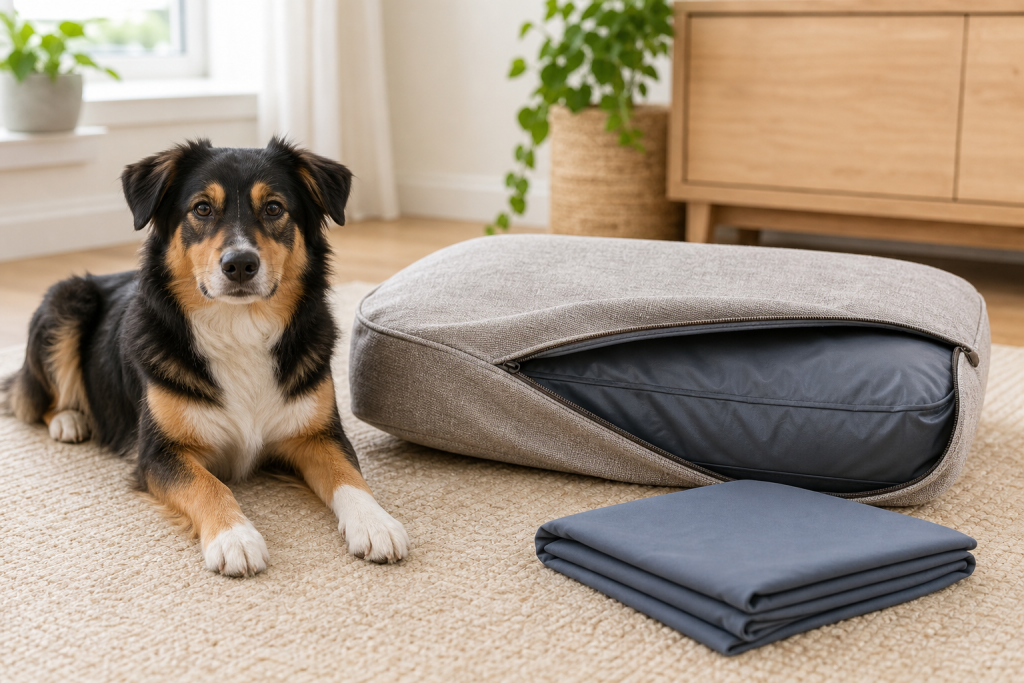
A pet bedding detergent deal is only useful if it cleans the bed without leaving a heavy scent, residue or a storage risk behind. The safer checkout move is to favor a mild, fragrance-free option, follow the bedding label and skip laundry pods or boosters that your dog or cat could chew, lick or spill. If your pet has itchy skin, repeated odors or accidents on the bed, treat the detergent as a cleaning choice, not a fix for a health problem.
Summer makes this mistake easier to miss. Dogs bring in sweat, pollen, grass, flea debris and wet-dog smell, while cats may spend more time on warm washable pads, window beds and sofa throws. Retailers can make scented detergents, odor boosters and bulk laundry bundles look like the cheapest answer, but pet bedding sits directly against skin and fur for hours.
Why the cheap bottle can be the wrong deal
Pet bedding is not the same as a gym towel. A strong fragrance may please the person doing the laundry while making a bed less appealing to the animal using it. A detergent that is hard to rinse can also leave residue in thick foam covers, fleece blankets, crate mats and bolsters.
The CDC says cleaning pet items regularly helps reduce dirt and germs, and that cleaning with soap or detergent is usually enough for many pet items. The buying mistake is assuming that more scent, more sanitizer language or a bigger jug automatically means a better clean.
What to check before checkout
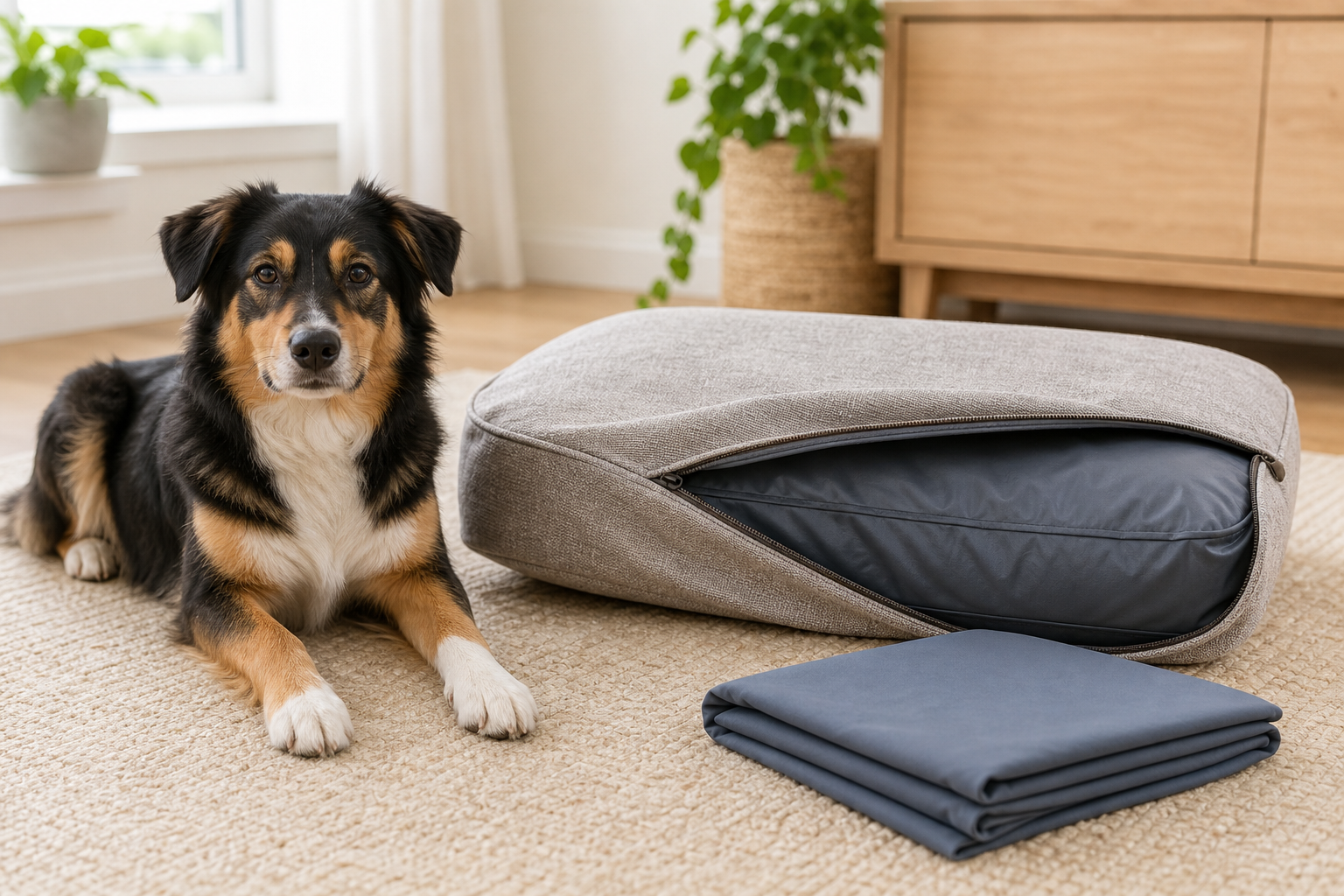
Start with the item you are washing, not the detergent label. A removable dog bed cover, a fleece cat blanket and a foam insert may need different care. If the bed says cold wash only, a detergent that needs hot water to work well may disappoint you.
- Fragrance and dyes: look for fragrance-free and dye-free language when your pet sleeps directly on the fabric.
- Rinsing: choose a product that does not require a heavy dose. More detergent can mean more residue.
- Pods and packets: avoid leaving concentrated laundry products anywhere a pet can reach. The AVMA lists detergents among household hazards, and concentrated products can be more dangerous if chewed or spilled.
- Bed construction: check whether the cover is removable and whether the foam, stuffing or waterproof liner can be washed at all.
- Machine fit: bulky beds can trap detergent or strain the washer. A washable cover is often the better purchase than a whole bed that barely fits.
- Skin history: if your dog or cat has recurring itch, redness, licking, hair loss, ear problems or sores, ask your vet instead of solving it by detergent trial and error.
The deal math shoppers overlook
A large bottle can be cheaper per ounce and still waste money if you only use it for pet items. Compare the cost per load at the dose you will actually use, not the biggest number printed on the front. If a product pushes matching scent beads, fabric softener, dryer sheets or odor boosters, treat those as separate costs, not part of the detergent deal.
Check return rules too. Many retailers limit returns on opened household products, and a scent you dislike after one wash may be hard to send back. If you are trying a new detergent for an itchy or sensitive pet, a smaller bottle can be the better first buy.
What to avoid
Do not use a laundry product to cover up a problem that needs a different fix. A bed that smells again one day after washing may need a removable waterproof liner, better drying, more frequent washing, a different bed design or a vet conversation about accidents, skin infection, anal gland issues or mobility trouble.
Be careful with strong odor claims. Scented detergent can mask smell without removing hair, oils or urine from the fabric. It can also make a cat avoid a bed or blanket that used to smell familiar.
A better pet-bedding laundry checklist
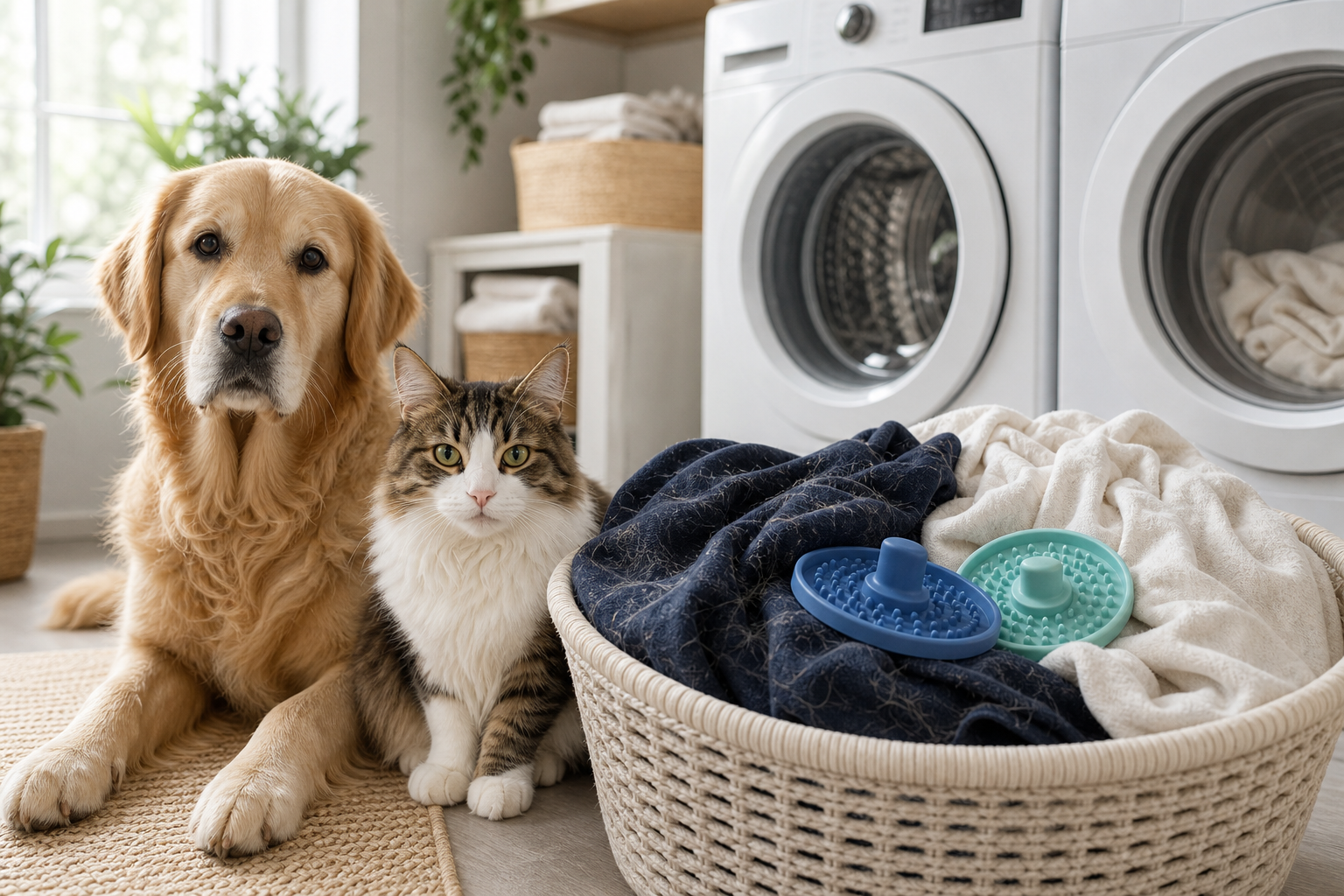
Before you add the detergent to your cart, make sure the whole washing routine works:
- Remove loose hair before washing so it does not collect in the machine.
- Wash pet bedding separately when it is heavily soiled.
- Use the bedding care label for water temperature and drying instructions.
- Dry thick fabric completely before putting it back in a crate, bed frame or cat nook.
- Store detergent, pods, boosters and dryer products behind a closed door or high cabinet.
For normal bedding, the goal is clean fabric with little residue and no overpowering scent. For medical bedding, post-surgery blankets, parasites, repeated urine, diarrhea or contagious illness concerns, follow your veterinarian’s instructions.
FAQ
Do I need a detergent labeled specifically for pets?
Not always. A mild, fragrance-free detergent that rinses well may be enough for ordinary pet bedding, but pets with skin problems or repeated irritation should be discussed with a veterinarian.
Are scented detergents unsafe for every pet?
No single fragrance rule fits every dog or cat, but heavy scent is a common reason to pause. If the bed is where your pet sleeps, a low-residue, fragrance-free product is the more conservative buy.
Should I disinfect every pet blanket?
Usually not. The CDC separates cleaning from disinfecting and says cleaning is usually good enough for many pet items. Disinfecting may be useful in some situations, but it needs the right product, contact time, rinsing and safety steps.
Can detergent fix a bed that keeps smelling?
Sometimes, but not always. Persistent odor can come from trapped moisture, urine in foam, poor drying, old bedding or a health issue. Replacing a cover or bed may be cheaper than buying stronger laundry products.
Sources
Last checked: 2026-07-05 22:33 Europe/Rome.