
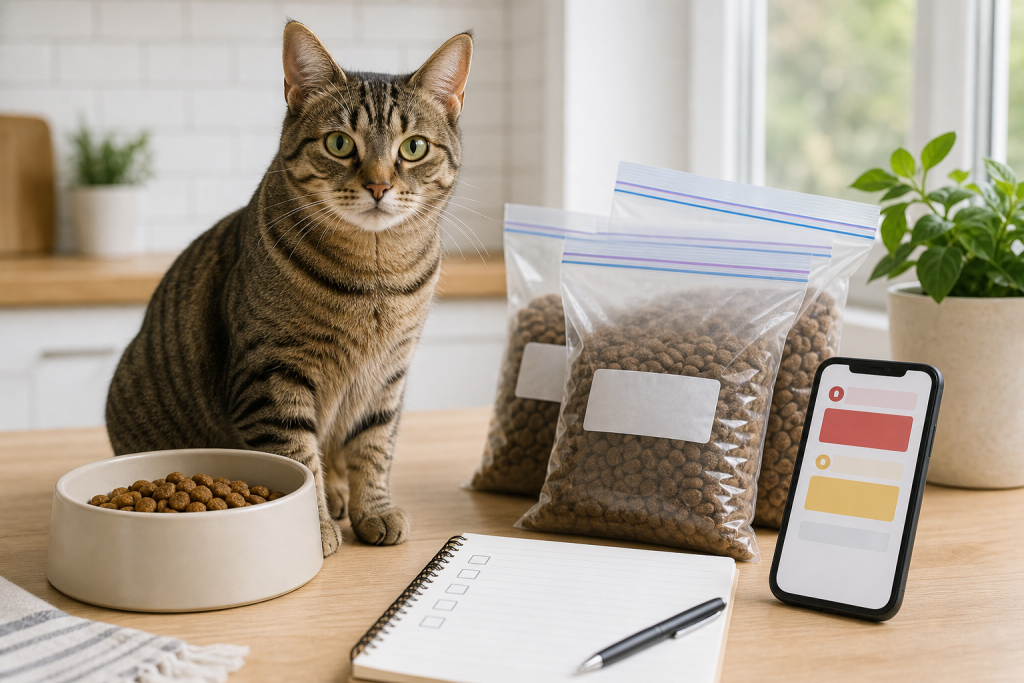
#cat food lot codes
#cat food recall
#pet food recall
#Quest Cat Food
#thiamine
The Quest Cat Food recall check is simple but easy to miss: match the exact product, lot code and best-by date before you feed, stock up or accept a sale-bin bag. FDA testing found extremely low or no thiamine in eight Quest Cat Food lots, and the agency says affected packages should be handled with veterinarian guidance, not treated like an ordinary discount find.
This matters now because frozen and freeze-dried pet food can sit in home freezers, retailer inventory and online carts long after a recall notice first appears. A low price on raw or freeze-dried cat food is not useful if the package code is unreadable, the return terms are vague or the food has not been checked against the latest FDA advisory.
What The FDA Advisory Says
On March 13, 2026, the FDA cautioned that eight lots of Quest Cat Food tested by the agency contained extremely low or no thiamine, also called vitamin B1. The advisory says Quest Cat Food is marketed by Go Raw LLC doing business as Steve’s Real Food, sold online and distributed nationwide through retail stores.
The FDA also said the firm had recalled three of the eight lots at that time, while the agency wanted shoppers to be aware of all FDA-tested lots with extremely low or absent thiamine. That distinction is important at checkout: do not assume that a product is safe only because a store page does not show a warning banner.
The affected products listed by the FDA include frozen chicken diet lots and freeze-dried chicken, pork, beef and white fish recipe lots. The agency says the date codes are printed on the front of the bag, and if the code cannot be read, owners should exercise caution and assume the product may not contain adequate thiamine.
The Checkout Check Before You Buy More
Before buying any Quest Cat Food from a retailer, marketplace seller, local freezer case or clearance section, compare the exact product name, lot code and best-by or use-by date with the FDA advisory. Do this before paying, not after the food is in your freezer.
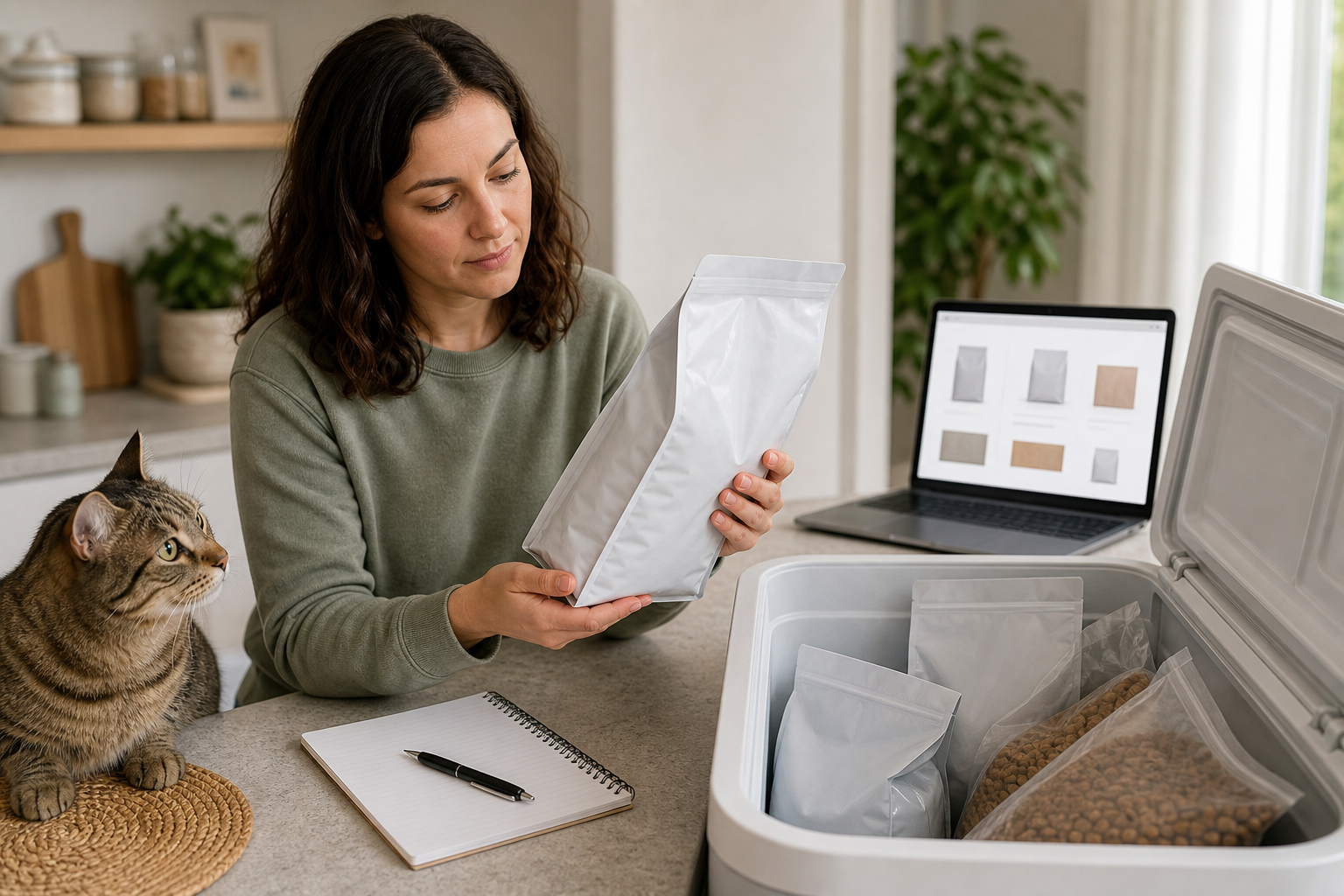
- Ask for a clear photo of the front code area if you are buying online from a smaller seller.
- Do not rely on flavor name alone. The FDA list includes multiple recipe types and formats.
- Check whether the seller accepts returns or refunds for recalled food before the order ships.
- Keep the original package until the food is finished, even if you store it in a freezer bin.
- Photograph the lot code, best-by date and receipt as soon as the package arrives.
If the listing uses generic photos, hides the package code or offers a steep discount without enough product detail, skip it. Cat food is not a good category for mystery inventory.
Why A “Complete” Label Is Not Enough
Many shoppers naturally trust a food that says it is complete or formulated for all life stages. The FDA’s advisory is a reminder that the label claim and the tested nutrient level can be two different questions when a specific lot has a problem.
The FDA noted that the AAFCO Cat Food Nutrient Profile minimum for thiamine is 5.6 mg per kg on a dry matter basis, and that all eight tested Quest samples were far below that level. That does not mean every cat food with a similar marketing style has the same issue. It does mean shoppers should treat the lot code as part of the product, not as fine print.
Deal And Coupon Rules For Recalled Cat Food
A discount does not fix a recall risk. If a store coupon, autoship offer or freezer-case markdown applies to cat food that you cannot verify, the safer shopping move is to buy a different verified food and ask the retailer about refund handling for any affected package you already purchased.
For food already at home, do not throw away the package before you document the code. FDA guidance on lot numbers explains that the lot code helps identify the specific batch and can help FDA or the company trace a problem faster.
What To Avoid
- Do not feed an affected lot just because the food looks, smells or freezes normally.
- Do not buy opened, repacked or unlabeled frozen raw cat food from resale sources.
- Do not assume a UPC, flavor name or best-by date alone proves the lot is unaffected.
- Do not mix food into a storage bin and discard the original bag without saving the code.
- Do not use online comments as a substitute for the FDA advisory, the brand recall notice and your veterinarian’s guidance.
If your cat has eaten a listed product and seems unwell, contact a veterinarian. This article is shopping guidance, not a diagnosis or treatment plan.
Quick Answers
Is every Quest Cat Food product recalled?
No. The FDA advisory identifies eight tested lots with extremely low or no thiamine, and the company announcement on FDA’s site describes three recalled chicken lots and a stop-sale decision for all Quest products at retailers until the issue is addressed. Shoppers should check the exact FDA list rather than guessing by brand name alone.
Where is the code on the package?
The FDA says the Quest product date codes are printed on the front of the bag. For pet food generally, FDA guidance says lot codes can appear in different places, sometimes near the best-by date, on the side or bottom of bags, or on cans and cases.
What if the code is missing or unreadable?
The FDA advisory says that if you no longer have the package or cannot read the lot code, use caution and assume the product may not contain adequate thiamine. Ask your veterinarian what to do if your cat has been eating it.
Can I rely on a retailer’s sale page?
No sale page should replace a lot-code check. Retailer pages can lag, third-party listings can be incomplete, and freezer inventory can vary by location.
Sources
Last checked: June 7, 2026, 22:32 Europe/Rome.